Actionable 2026 Buyer’s Guide: 7 Factors for Choosing the Best PETG Filament


Abstract
This guide offers a comprehensive analysis of Polyethylene Terephthalate Glycol (PETG) filament for fused deposition modeling (FDM) 3D printing in 2026. It examines the material science of PETG, contrasting its properties with common alternatives like PLA and ABS to establish its unique position as a durable, user-friendly material. The investigation extends to advanced composites, particularly carbon fiber-reinforced PETG, detailing the significant enhancements in stiffness, dimensional stability, and thermal resistance these materials provide. A systematic framework is presented for selecting the best PETG filament, focusing on seven critical factors: material composition, dimensional accuracy, printability, spooling quality, brand reputation, aesthetics, and application-specific requirements. The text synthesizes technical data with practical advice, addressing the necessity of hardware modifications like hardened nozzles for abrasive composites and the critical role of filament drying to prevent hydrolysis. By exploring optimized slicer parameters and post-processing techniques, this work aims to equip both enthusiasts and professionals with the requisite knowledge to overcome common challenges and achieve mechanically robust, high-quality prints consistently.
Key Takeaways
- Upgrade to a hardened steel nozzle for abrasive carbon fiber PETG to prevent wear.
- Always dry PETG filament before printing to eliminate moisture-related print defects.
- Increase nozzle temperature by 10-20°C over standard PETG for composite variants.
- Use a larger nozzle (≥0.5mm) to minimize clogging with fiber-reinforced filaments.
- Slower print speeds are often necessary to enhance layer adhesion and part strength.
- Finding the best PETG filament depends on matching its properties to your application.
- Carefully tune retraction settings to reduce stringing without causing nozzle jams.
Table of Contents
- A Foundational Inquiry into PETG
- Factor 1: Material Composition—Standard vs. Reinforced PETG
- Factor 2: The Unseen Virtue—Dimensional Accuracy and Consistency
- Factor 3: Mastering the Process—Printability and Slicer Settings
- Factor 4: Beyond the Plastic—Spooling Quality and Filament Care
- Factor 5: The Ecosystem of Trust—Brand Reputation and Manufacturer Transparency
- Factor 6: The Aesthetic Dimension—Color, Finish, and Visual Appeal
- Factor 7: A Teleological Approach—Application-Specific Selection
- Frequently Asked Questions
- Conclusion
- References
A Foundational Inquiry into PETG
Navigating the expansive world of 3D printing materials can feel like an exercise in navigating a labyrinth of acronyms. You have likely mastered PLA, the forgiving entry point for most makers. Perhaps you have even wrestled with the fumes and warping tendencies of ABS in pursuit of greater strength. Somewhere in the middle of this spectrum of utility lies a material that often promises the best of both worlds: PETG. But what is this material, and why does it command such a loyal following among those who print functional parts?
To truly appreciate the value of PETG, we must move beyond surface-level comparisons and engage with its fundamental nature. It is not merely “stronger PLA” or “easier ABS.” It is a distinct polymer with a unique chemical identity that informs its behavior from the moment it is extruded onto the build plate to its performance as a finished part. This inquiry will serve as our foundation, establishing a clear understanding of what PETG is before we can meaningfully discuss how to select the best version of it for your specific needs.
What is PETG, Really? A Chemical and Historical Perspective
At its core, PETG belongs to the polyester family of polymers. Its parent, Polyethylene Terephthalate (PET), is one of the most common plastics on the planet. You interact with it daily in the form of water bottles and food containers. PET is known for its clarity, chemical resistance, and strength. A thought experiment might be useful here: imagine trying to tear a standard water bottle. It is surprisingly tough, a testament to the inherent resilience of the PET polymer chains.
However, printing with raw PET is challenging. When heated and cooled repeatedly, as it is in 3D printing, PET can become brittle and hazy. It crystallizes in ways that are difficult to control, leading to inconsistent and weak prints. This is where the “G” becomes the hero of our story. The “G” stands for glycol. During the polymerization process, a portion of the ethylene glycol in the PET chemical structure is replaced with a larger monomer, typically cyclohexanedimethanol (CHDM).
This modification is not a minor tweak; it is a fundamental alteration of the polymer’s ability to organize itself. The bulkier glycol molecules disrupt the tightly packed, orderly polymer chains, inhibiting the crystallization that plagues standard PET. The result is an amorphous polymer, PETG, which remains clear and, more importantly for our purposes, possesses a lower melting point and a wider processing window. This makes it far more suitable for the layer-by-layer process of Fused Deposition Modeling (FDM). In essence, the glycol modification domesticates the wild, unruly nature of PET, transforming it into a reliable partner for 3D printing.
PETG vs. PLA vs. ABS: A Pragmatic Comparison
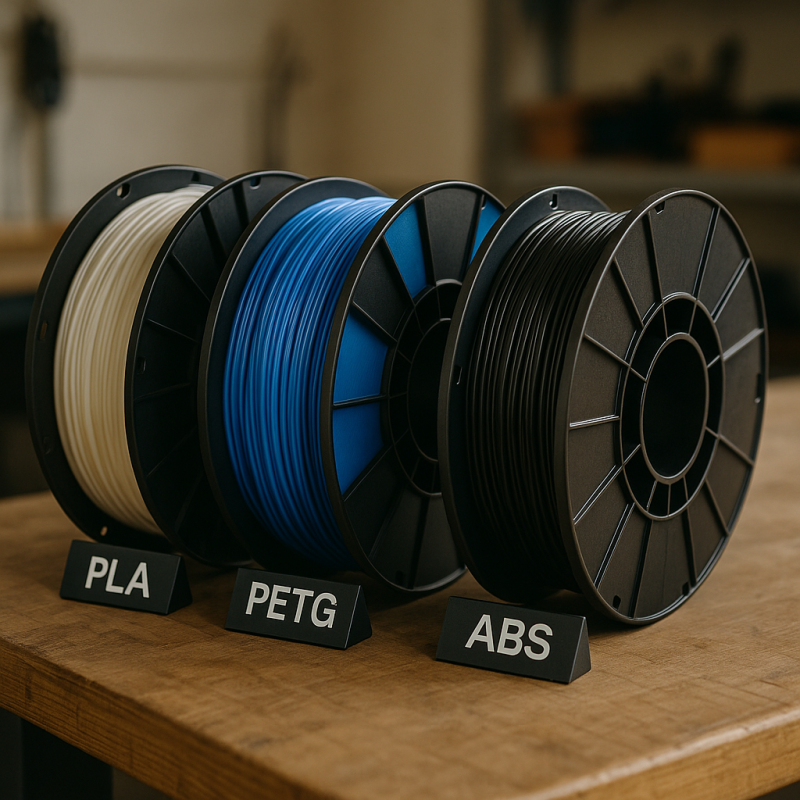
To situate PETG within the broader material landscape, a direct comparison with its two most common counterparts, PLA and ABS, is necessary. Each material represents a different set of compromises and capabilities. Thinking about them not as competitors but as different tools for different jobs is a more productive approach. One does not fault a screwdriver for being a poor hammer. Similarly, the choice between these filaments depends entirely on the intended function of the final object. The following table provides a high-level overview of their key characteristics.
| Feature | Polylactic Acid (PLA) | Acrylonitrile Butadiene Styrene (ABS) | Polyethylene Terephthalate Glycol (PETG) |
|---|---|---|---|
| Strength & Durability | Brittle, low impact resistance | High impact resistance, durable | High impact resistance, durable, slight flex |
| Temperature Resistance | Low (softens ~60°C) | High (softens ~105°C) | Medium (softens ~80°C) |
| Ease of Printing | Very Easy; low temps, no enclosure | Difficult; high temps, requires enclosure | Moderate; medium temps, prone to stringing |
| UV Resistance | Poor; becomes brittle in sunlight | Good | Good |
| Chemical Resistance | Poor | Good (resists many oils & chemicals) | Excellent (resists acids, bases, solvents) |
| Food Safety | Generally considered food-safe (check brand) | Not food-safe; contains styrene | Generally considered food-safe (check brand) |
| Odor & Fumes | Minimal, slightly sweet odor | Strong, unpleasant odor; emits VOCs | No significant odor or fumes |
As the table illustrates, PETG occupies a compelling middle ground. It offers a significant improvement in strength, temperature resistance, and chemical resilience over PLA without introducing the printing difficulties and hazardous fumes associated with ABS. This balance is what makes it a workhorse material for so many. It is the pragmatic choice for parts that need to do more than just sit on a shelf and look good.
The “G” in PETG: Why Glycol Modification Matters
Let us return to the glycol modification for a moment, as its importance cannot be overstated. The disruption of the polymer chains does more than just prevent crystallization. It imparts a slight flexibility to the material. Whereas PLA is stiff and will snap under pressure, PETG has a tendency to yield or bend before failing. This property is invaluable for parts that will experience impacts or repeated stress, such as snap-fit enclosures, brackets, or protective covers.
Consider printing a simple clip. A PLA clip might work a few times before the stress causes a fracture. An ABS clip would be strong, but printing it without warping could be a challenge. A PETG clip, however, would offer both the strength to hold firm and the slight give to endure repeated use without breaking. This inherent toughness, born from its amorphous chemical structure, is a direct consequence of that glycol addition. It is the reason PETG is often described as more “ductile” than “brittle.” This distinction is central to understanding where and why you should choose to use it, forming the basis for any discussion about the best PETG filament for a given task.
Factor 1: Material Composition—Standard vs. Reinforced PETG
Once we have a firm grasp of PETG’s core identity, the next step in our selection process is to examine its variations. The world of PETG is not monolithic; it is a family of materials that begins with a standard, reliable base and extends to high-performance composites. The choice between a standard PETG and a reinforced variant is perhaps the most significant decision you will make, as it fundamentally alters the material’s properties, printing requirements, and cost. This is not a simple choice of “good” versus “better.” It is a choice based on fitness for purpose.
The Reliable Workhorse: Standard PETG
Standard PETG is the material as we have discussed it thus far—the glycol-modified polyester without any additional fillers or reinforcements. This is the most common and affordable type of PETG, and for a vast range of applications, it is more than sufficient. Brands like Overture, eSUN, and Sunlu have become popular by offering consistent quality in this category [intagly.com].
The primary virtues of standard PETG are its excellent layer adhesion, chemical resistance, and durability. When printed correctly, the bonds between layers can be incredibly strong, resulting in parts that are nearly as robust as injection-molded objects. Its resistance to water, acids, and alkalis makes it a superb choice for containers, scientific equipment, or parts used in wet environments. Think of it as the default choice for any functional print that needs to be tougher and more heat-resistant than PLA. If you are designing a new mounting bracket for a piece of equipment or a protective case for a tool, standard PETG is an excellent starting point. It provides a significant performance upgrade over PLA without requiring the specialized hardware or complex tuning that composite materials demand.
The High-Performer: Carbon Fiber PETG
When the mechanical requirements of a part exceed the capabilities of standard PETG, we enter the realm of composites. Adding chopped carbon fibers to the PETG base polymer creates a new class of material. Carbon fiber PETG, or PETG-CF, represents a substantial leap in performance. The carbon fibers act as a reinforcement, dramatically increasing the stiffness and dimensional stability of the printed part (SigmaFilament, 2026).
Imagine the polymer as a collection of cooked spaghetti strands. On their own, they are flexible. Now, imagine mixing in short, uncooked spaghetti pieces (the carbon fibers). The mixture becomes much more rigid and resistant to bending. This is analogous to how carbon fibers reinforce the PETG matrix. Parts printed with a quality carbon fiber reinforced PETG exhibit significantly less flex under load, making them ideal for applications like drone frames, robotic arms, or jigs and fixtures where maintaining precise shape is paramount.
Another significant benefit is the aesthetic finish. The fibers give the print a beautiful, matte surface that does an exceptional job of hiding layer lines. This can give parts a more professional, finished look straight off the printer. However, this performance comes with new requirements. Carbon fiber is highly abrasive. Printing with it using a standard brass nozzle will destroy the nozzle in a matter of hours. A hardened steel, ruby, or other wear-resistant nozzle is not optional; it is a necessity. The fibers can also increase the risk of clogging, so a slightly larger nozzle diameter (0.5mm or 0.6mm) is often recommended (SigmaFilament, 2026).
Exploring Other Composites: Glass-Filled and Specialty Blends
Carbon fiber is not the only reinforcement available. Glass-filled PETG (PETG-GF) is another option that enhances stiffness and strength, often at a lower cost than its carbon fiber counterpart. While it may not provide the same level of rigidity as PETG-CF, it still offers a considerable improvement over standard PETG and maintains better impact resistance than some carbon fiber variants. The search for the best PETG filament might lead you to even more specialized blends. For instance, some manufacturers offer PETG blended with PTFE (Teflon) to create a low-friction material for printing bushings or sliding parts. Others, like Polymaker and Spectrum Filaments, offer a wide portfolio including high-speed variants, matte finishes, and even metal-filled PETG for aesthetic purposes.
This diversification highlights a key principle: the material must be matched to the application. There is no single “best” composition. The best choice is a function of your specific needs for strength, stiffness, temperature resistance, appearance, and cost.
Factor 2: The Unseen Virtue—Dimensional Accuracy and Consistency
In the pursuit of strength and thermal resistance, it is easy to overlook a more subtle, yet equally critical, property of a filament: its dimensional accuracy. This refers to how consistent the filament’s diameter is along its entire length. A manufacturer might advertise a filament as having a 1.75mm diameter, but the reality is that there will always be some variation. The quality of a filament is often directly correlated with how small that variation is. For a premium filament, you should expect a tolerance of ±0.03mm or, even better, ±0.02mm.
This may seem like a trivial detail, but its impact on print quality is profound. Your 3D printer’s slicer software calculates the volume of plastic to extrude based on a fixed filament diameter. If the actual diameter varies, the amount of extruded plastic will be inconsistent, leading to a cascade of print quality issues.
Why a ±0.02mm Tolerance is More Than Just a Number
Let us conduct a thought experiment to understand the impact of this tolerance. Your slicer is configured for a 1.75mm diameter filament. It calculates that to create a specific line width, it needs to push a certain length of this filament through the nozzle.
Now, imagine a section of the filament is actually 1.80mm thick—a deviation of +0.05mm, which is within the tolerance of many budget filaments (±0.05mm). In this section, the printer is extruding more plastic than the slicer intended. This leads to over-extrusion, which can manifest as blobs, zits, and rough surfaces on your print. The excess material can also cause the nozzle to drag through previously printed layers, potentially compromising the part’s integrity or even causing the print to fail completely.
Conversely, imagine a section that is only 1.70mm thick. Here, the printer is extruding less plastic than intended. This under-extrusion results in weak layer adhesion, gaps in walls, and a fragile, under-filled part. The print may look wispy or incomplete, and it will certainly lack the mechanical strength you expect from PETG. A tight tolerance of ±0.02mm ensures that these fluctuations are so minimal that they have no discernible impact on the final print. It is the foundation of reliable, repeatable printing.
The Role of Laser Monitoring in Manufacturing
How do manufacturers achieve such tight tolerances? The answer lies in advanced process control during manufacturing. As the filament is extruded from the die, it passes through a dual-axis laser micrometer. This device continuously measures the filament’s diameter in real-time, feeding the data back into the extrusion system’s controller.
If the laser detects a deviation from the target diameter, the controller instantly adjusts the puller speed—the speed at which the filament is drawn away from the die. If the filament is too thick, the puller speeds up slightly, stretching the filament to the correct diameter. If it is too thin, the puller slows down. This closed-loop feedback system is what allows for the production of filament with exceptional consistency. When you choose a filament from a manufacturer that emphasizes its laser-monitored process control and ISO 9001 certification, you are investing in this reliability. This is a key differentiator between a commodity filament and a professional-grade material.
How to Verify Spool Consistency Yourself
While you cannot measure the entire spool, you can get a good sense of a filament’s quality with a simple tool: a pair of digital calipers. When you open a new spool, take measurements at several points within the first few meters. Rotate the filament and measure it again at the same point to check for ovality (a difference in diameter between its X and Y axes).
A high-quality filament will show very little variation in these initial measurements. If you find significant fluctuations (more than ±0.04mm), it is a red flag. While this does not guarantee the entire spool is bad, it suggests a lack of process control during manufacturing. Investing in a filament with a guaranteed tight tolerance from a reputable source like a direct manufacturer is often the most effective way to eliminate an entire class of potential printing problems before they even begin. This consistency is a cornerstone for anyone seeking the best PETG filament for professional or mission-critical applications.
Factor 3: Mastering the Process—Printability and Slicer Settings
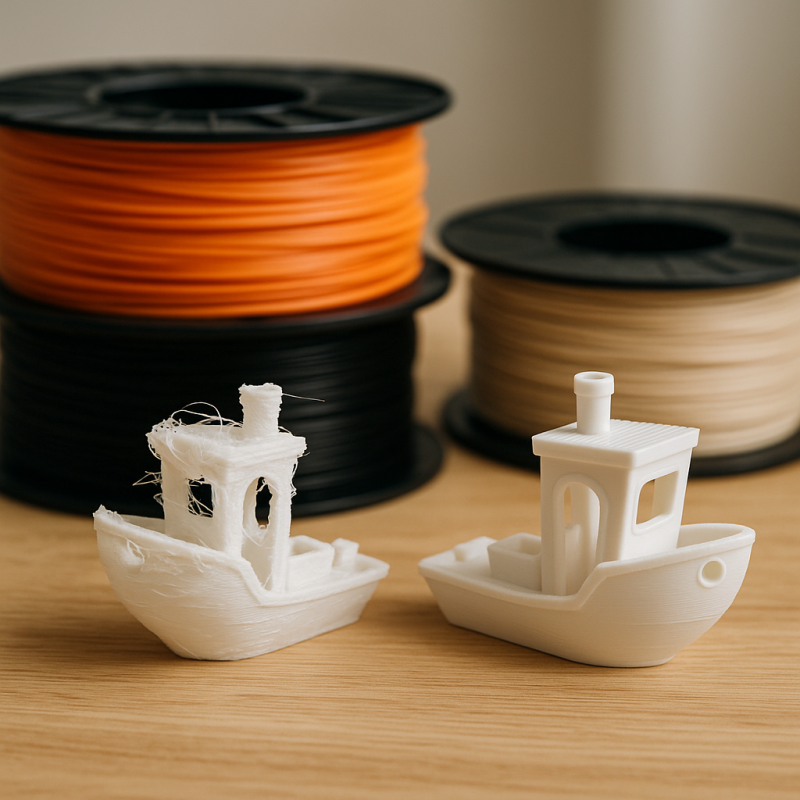
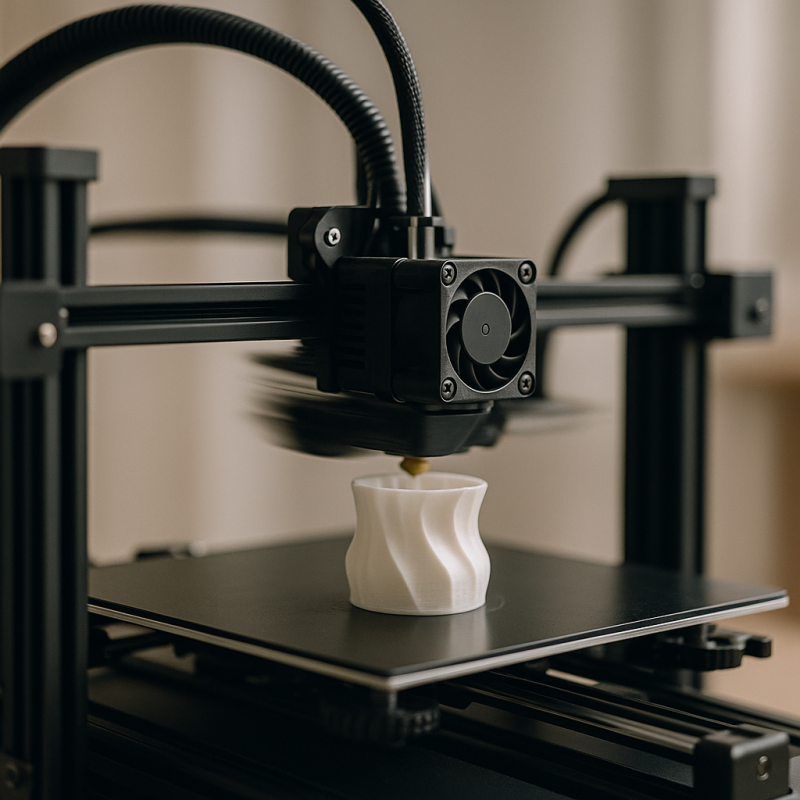
Possessing the finest material is only half the battle; the other half is fought in the slicer. PETG has a reputation for being slightly more challenging to print than PLA, often described as “stringy” or “goopy.” These characteristics are not flaws in the material but rather inherent properties that must be understood and accommodated through careful tuning of your printer’s settings. Achieving success with PETG, especially when seeking the best possible results, is a dialogue between the material and the machine, with the slicer settings acting as the language.
A systematic approach to tuning is far more effective than randomly changing settings. We will deconstruct the most impactful parameters—temperature, retraction, and speed—to understand their individual roles and their interplay in creating a successful PETG print.
| Parameter | Standard PETG | Carbon Fiber PETG (PETG-CF) | Key Considerations |
|---|---|---|---|
| Nozzle Temperature | 230-250°C | 240-260°C | Higher for CF to ensure flow; perform a temp tower test. |
| Bed Temperature | 70-85°C | 75-90°C | A heated bed is essential for adhesion and preventing warp. |
| Print Speed | 40-60 mm/s | 30-50 mm/s | Slower speeds improve layer adhesion, especially for composites. |
| Retraction Distance | 2-5 mm (Direct), 5-8 mm (Bowden) | 1-3 mm (Direct), 4-6 mm (Bowden) | Lower for CF to prevent clogs; requires careful tuning. |
| Retraction Speed | 25-45 mm/s | 20-35 mm/s | Slower retraction can sometimes reduce stringing with PETG. |
| Cooling Fan Speed | 20-50% | 30-60% | Too much cooling weakens layer bonds; too little causes drooping. |
| Nozzle Type | Brass / Stainless Steel | Hardened Steel / Ruby / Tungsten Carbide | Abrasive filaments require a wear-resistant nozzle. |
Dialing in Temperature: The Sweet Spot for Nozzle and Bed
Temperature is the most fundamental parameter. PETG requires higher temperatures than PLA for both the nozzle and the heated bed.
For the nozzle, a typical range for standard PETG is 230-250°C. Printing too cold will result in poor layer adhesion. The layers will not melt together properly, and the final part will be weak, easily delaminating along the layer lines. You might even hear a clicking sound from your extruder as it struggles to push the overly viscous plastic through the nozzle. Conversely, printing too hot can cause the material to become overly fluid, leading to excessive oozing, stringing, and a loss of fine detail. The material can also undergo thermal degradation if heated too much for too long, which can weaken it and alter its color. For carbon fiber variants, you will typically need to increase the temperature by another 10-20°C to account for the altered thermal properties and to ensure the composite material flows smoothly (SigmaFilament, 2026). The best practice is always to print a temperature tower with any new spool of filament to find its specific “sweet spot.”
The bed temperature is equally important for the critical first layer. A range of 70-85°C is common for PETG. This heat prevents the first layer from cooling too quickly and shrinking, which would cause it to lose adhesion and warp off the build plate. A good first layer is the foundation of the entire print. Using a build surface like PEI (Polyetherimide) is highly recommended, as PETG adheres to it extremely well—sometimes too well. A light application of a release agent like a glue stick or hairspray is often advised not to improve adhesion, but to act as a barrier to make removing the finished print possible without damaging the PEI surface.
Taming the Beast: Strategies for Retraction and Stringing
If PETG has a notorious characteristic, it is stringing. This refers to the fine, web-like strands of plastic left behind as the nozzle travels between different parts of a print. It occurs because the molten PETG is somewhat sticky and tends to ooze from the nozzle during non-extrusion moves. The primary weapon against stringing is retraction.
Retraction is the process of pulling the filament back slightly from the nozzle before a travel move. This relieves pressure in the melt zone, reducing ooze. The two key settings are retraction distance and retraction speed. Finding the perfect values requires experimentation. Too little retraction will not solve the stringing. Too much retraction can pull molten plastic up into the cold zone of the hotend, where it can solidify and cause a clog—a particularly frustrating problem with fiber-filled filaments.
A good starting point for a direct drive extruder is a retraction distance of 2-3mm and a speed of 40mm/s. For a Bowden setup, where the extruder motor is further from the hotend, you will need a longer distance, perhaps 5-7mm. It is often a process of incremental adjustment: print a retraction test model, observe the stringing, adjust one variable slightly (e.g., increase distance by 0.5mm), and print again. Additionally, enabling features in your slicer like “Wipe” (which moves the nozzle a short distance over the print before traveling) and “Avoid Crossing Perimeters” can further mitigate stringing by minimizing travel moves over open air.
Speed, Flow, and Cooling: A Delicate Balance
The final pieces of the puzzle are print speed, flow rate, and part cooling. PETG generally prefers to be printed a bit slower than PLA. A speed of 40-60 mm/s is a safe range for achieving strong layer bonds. Printing too fast does not give the molten layers enough time to fuse together properly. This is especially true for composite materials, which benefit from slower speeds to ensure the fibers orient correctly and the polymer has time to flow.
Flow rate, or extrusion multiplier, may need slight adjustment. If you have calibrated your extruder’s E-steps and are still seeing signs of over or under-extrusion, a small adjustment to the flow rate (e.g., from 100% to 98%) can help fine-tune the output.
Part cooling with PETG is a delicate balance. Unlike PLA, which loves as much cooling as you can give it, PETG can suffer from poor layer adhesion if cooled too aggressively. The rapid cooling can prevent the layers from bonding fully. A common strategy is to turn the part cooling fan off for the first few layers to maximize bed adhesion, then run it at a low speed (20-50%) for the remainder of the print. This provides enough cooling to solidify overhangs and bridges without compromising the part’s overall strength.
Factor 4: Beyond the Plastic—Spooling Quality and Filament Care
The journey to a perfect print does not begin when you press “start” on your machine. It begins the moment you receive your spool of filament. The quality of the filament itself is paramount, but two often-neglected factors can sabotage even the most premium material: moisture contamination and poor spool winding. A disciplined approach to filament handling and storage is not an optional extra for serious printing; it is a fundamental requirement for consistency and success. Understanding the science behind these issues is the first step toward preventing them.
The Unseen Enemy: Humidity and Why Drying is Non-Negotiable
PETG is hygroscopic, which means it readily absorbs moisture from the ambient air. Think of a dry sponge left out on a counter; it will slowly pull moisture from the atmosphere. PETG does the same thing at a microscopic level. While the filament may look and feel perfectly dry, it can be saturated with water molecules.
When this moisture-laden filament enters the hotend of your printer, which is heated to well over 200°C, the water inside it instantly boils and turns to steam. This tiny, violent explosion inside the nozzle has several disastrous effects. It creates bubbles in the extruded plastic, resulting in a rough, porous surface finish. You may hear popping or crackling sounds from the nozzle as the steam escapes—a tell-tale sign of wet filament. This process, known as hydrolysis, also chemically degrades the polymer chains, significantly weakening the final print. A part printed with wet PETG will be brittle and have terrible layer adhesion, shattering with minimal force.
For this reason, drying your PETG filament is not just a troubleshooting step; it should be a standard part of your workflow. Even a brand-new, vacuum-sealed spool can contain some moisture from the manufacturing environment. Using a dedicated filament dryer, a modified food dehydrator, or even your home oven (with extreme care and accurate temperature control) to bake the filament at around 65°C for 4-6 hours will drive off this moisture and restore the material to its optimal printing condition. Printing directly from a dry box is an even better practice to ensure the filament remains dry throughout the entire printing process.
From the Factory to Your Printer: Evaluating Spool Winding
A less scientific but equally frustrating problem is a tangled spool. A print that is hours or even days into its runtime can be ruined by a single knot in the filament, which causes the extruder to be unable to pull any more material. This is almost never a fault of the machine “winding the spool backwards,” a common misconception. Tangles are almost always introduced by the user.
When you open a new spool, the end of the filament is typically secured in a small hole or slot on the spool’s flange. From that point on, you must never let go of the free end. If you let the end go, it can spring back and tuck itself underneath another loop on the spool. When the printer later pulls on this line, it will tighten into a knot.
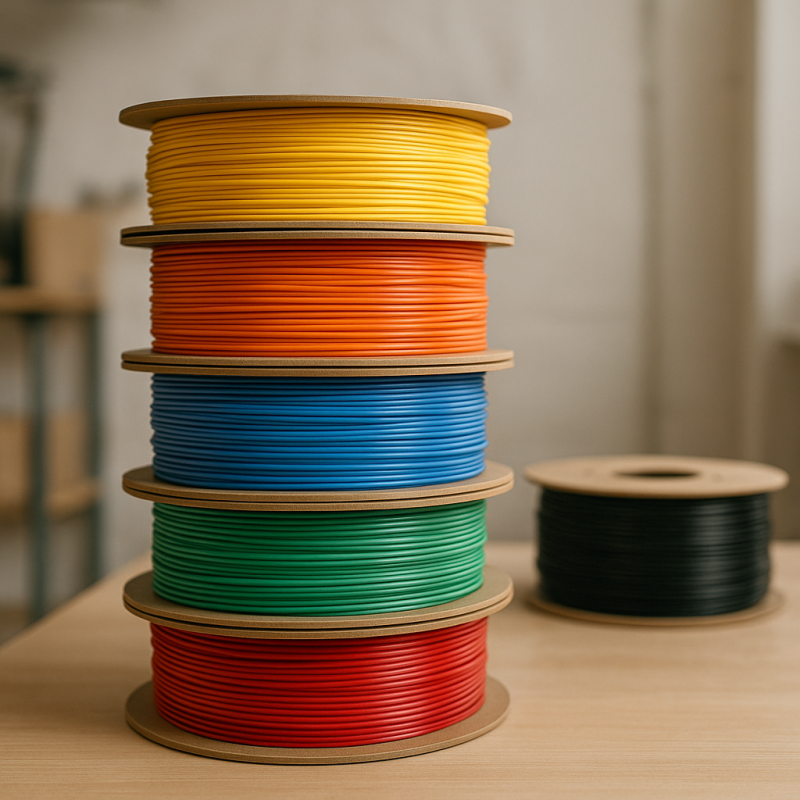
However, the manufacturer does play a role. High-quality filament is wound onto the spool by automated machinery that ensures neat, parallel rows with no crossovers. This tidy winding reduces the chance of a snag and ensures the filament pulls off the spool smoothly and consistently. When you receive a spool, inspect the winding. Does it look neat and orderly, or is it a messy, crisscrossed jumble? A cleanly wound spool, like the ones highlighted by many reputable brands, is a sign of a quality-controlled manufacturing process and can contribute to a more reliable printing experience. Always secure the free end of the filament in the provided slots or with a printed clip before storing it.
Long-Term Storage Solutions for Peak Performance
Since PETG is so eager to absorb moisture, proper storage is essential. Leaving a spool out in the open, especially in a humid environment, is a recipe for failure. The goal is to store the filament in an environment with the lowest possible relative humidity.
The most common solution is to use large, resealable vacuum bags. Place the spool in the bag along with one or two packets of desiccant—the small pouches of silica gel that come with many products. The desiccant will absorb any moisture trapped inside the bag. Using a small hand pump or a vacuum cleaner to remove the air before sealing creates an excellent, low-humidity environment.
For those who print frequently, building or buying a “dry box” is a worthwhile investment. This is typically an airtight plastic container fitted with a rubber seal. The spools are placed inside on a simple holder, along with a generous amount of rechargeable desiccant. A small, inexpensive digital hygrometer placed inside the box allows you to monitor the humidity level, which should ideally be kept below 20%. This provides both protection from moisture and easy access to your materials.
Factor 5: The Ecosystem of Trust—Brand Reputation and Manufacturer Transparency
In a global marketplace saturated with options, choosing a filament is not just a technical decision; it is an act of trust. You are trusting that the manufacturer has maintained rigorous quality control, used high-quality raw materials, and accurately represented their product. The brand name on the spool is a proxy for this trust. While it is possible to find excellent, unbranded filament, a reputable brand or a transparent manufacturer provides a level of assurance that is invaluable, especially for professional applications where print failures have significant time and cost implications.
Navigating the Market: From Budget Brands to Premium Producers
The filament market can be broadly segmented. On one end, you have budget brands, often sold through large online marketplaces. These can be a good value for non-critical parts or for those willing to spend time tuning their settings for each new spool. However, consistency can be a major issue, with variations in color, diameter, and polymer formulation from one batch to the next.
In the middle are well-regarded brands like Overture, Hatchbox, Polymaker, and eSUN, which have built a reputation for providing a good balance of quality, consistency, and price [reddit.com]. They are often the go-to choice for hobbyists and many professionals.
At the premium end are producers like Prusament (from the printer manufacturer Prusa) and various industrial filament suppliers. These brands often provide a higher level of quality control; ask whether a brand publishes measurement data, such as diameter consistency and ovality, for each batch. The choice here depends on your tolerance for risk and your need for repeatability. For a one-off decorative print, a budget brand might be fine. For producing a small batch of functional parts for a client, the reliability of a premium or well-regarded mid-tier brand is a wise investment.
The Value of ISO Certification and Quality Control Documentation
For those operating in a professional or production environment, looking beyond the brand name to the manufacturer’s credentials is a crucial step. A key indicator of a commitment to quality is ISO 9001:2015 certification. This is not a product certification but a process certification. It means an independent body has audited the manufacturer’s quality management system and verified that it meets a rigorous international standard for consistency and continuous improvement.
An ISO 9001 certified manufacturer is required to document every step of their process, from the inspection of raw polymer resins to the final packaging of the filament. This systematic approach is what enables them to produce filament with tight dimensional accuracy (e.g., ±0.02mm) spool after spool, year after year. Other certifications, such as RoHS (Restriction of Hazardous Substances) and documentation on FDA compliance for the raw materials, provide further assurance about the safety and composition of the filament. When a manufacturer makes these documents readily available, it signals a high degree of transparency and confidence in their product.
OEM/ODM Partnerships: A Look Behind the Label
An interesting aspect of the filament industry is the role of Original Equipment Manufacturers (OEM) and Original Design Manufacturers (ODM). Many of the filament brands you see on the market do not actually manufacture the filament themselves. Instead, they partner with a large-scale manufacturer who produces the filament to their specifications. The manufacturer then packages it with the partner’s branding. This is the OEM model.
An ODM relationship goes a step further, where the manufacturer is also involved in the research and development of custom formulations. For example, a company might want a PETG filament with specific flame-retardant properties or a unique color matched to their brand identity. They would work with an ODM partner to develop and produce this exclusive material.
Understanding this dynamic is empowering. It means that by choosing a direct manufacturer that also offers custom OEM filament solutions, you are essentially going straight to the source. This can offer benefits in terms of cost, access to a wider range of materials (including specialty composites), and the ability to request custom runs or formulations for large projects. It peels back a layer of marketing to reveal the true origin of the product, fostering a more direct and transparent relationship between the producer and the end-user.
Factor 6: The Aesthetic Dimension—Color, Finish, and Visual Appeal
While the mechanical properties of PETG are often its main selling point, the aesthetic qualities of a print should not be dismissed. The final look and feel of a part can be just as important as its strength, particularly for consumer-facing products, prototypes meant to win over stakeholders, or personal projects where pride in the final object is a key motivator. The choice of filament has a direct and significant impact on the visual outcome. The market in 2026 offers a dazzling array of options beyond the standard glossy colors of the past.
Beyond Basic Colors: Exploring Translucents, Silks, and Mattes
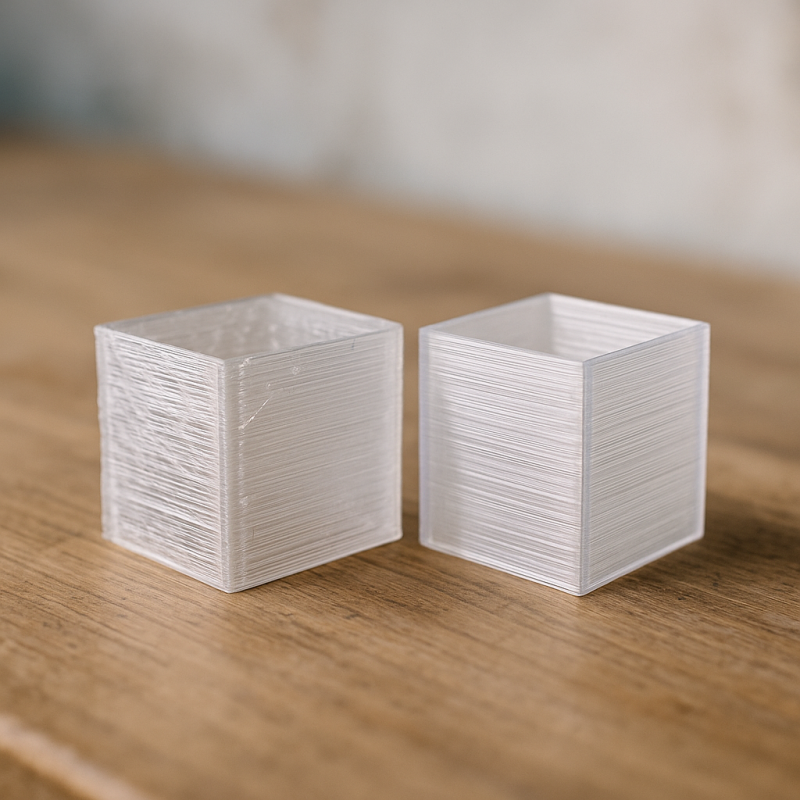
Standard PETG naturally has a high-gloss finish and good transparency, which has led to a wide variety of beautiful translucent colors. These are perfect for projects where you want to see the internal structure of a part or create objects with a gem-like quality, such as vases or light shades.
In recent years, manufacturers have developed new formulations to achieve different finishes. “Silk” filaments contain additives that create a highly reflective, almost metallic sheen. While most common in PLA, silk PETG is also available and can produce stunning results, though sometimes at the cost of slightly reduced layer adhesion and strength.
Perhaps one of the most popular recent trends is the rise of matte filaments. As noted earlier, carbon fiber-reinforced PETG naturally produces a matte finish, which is excellent for hiding layer lines and giving parts a very professional, understated look. Some manufacturers also produce standard PETG with additives designed specifically to create a non-reflective, matte surface. This can be highly desirable for technical parts, enclosures, and architectural models where a glossy finish would be distracting or appear cheap. The variety of available colors and finishes from producers like Spectrum Filaments is vast, offering a full palette for creative expression.
The Impact of Additives on Visuals and Performance
It is important to understand that these aesthetic modifications are achieved through additives mixed into the base polymer. A “silk” filament has an elastomer added to it to create the shine. A “matte” filament has particles that diffuse light. Glitter, wood-filled, and marble-effect filaments all contain solid particulates to create their respective looks.
These additives can and do affect the filament’s printing characteristics and mechanical properties. A silk filament might be more prone to stringing or require a slightly higher temperature. A filament heavily loaded with glitter or marble particles can be more abrasive and may increase the risk of nozzle clogs, similar to a carbon fiber filament, albeit to a lesser degree. When choosing an aesthetically focused filament, it is wise to assume that it may not be as strong as its standard, unadulterated counterpart. You are often making a trade-off, prioritizing visual appeal over maximum mechanical performance. This is a perfectly valid choice, as long as it is an informed one.
Achieving a Flawless Surface Finish with PETG
Beyond the filament choice itself, your printing technique plays a huge role in the final surface quality. The quest for the best PETG filament must be paired with the quest for the best printing practices. To minimize visible layer lines, consider using a smaller layer height (e.g., 0.12mm or 0.16mm). While this will increase print time, it can dramatically improve the smoothness of curved surfaces.
As discussed previously, mastering retraction and temperature control is key to eliminating the blobs and strings that mar a print’s surface. Another advanced technique is adjusting the “outer wall wipe distance” or “coasting” settings in your slicer. These features stop extrusion just before the end of a perimeter and allow the nozzle to “coast,” using the residual pressure to lay down the last bit of material. This can help to hide the “Z-seam,” the vertical line of blobs that marks where each new layer begins. By combining a high-quality filament with meticulous slicer tuning, you can produce PETG parts that look as good as they perform.
Factor 7: A Teleological Approach—Application-Specific Selection
We have now examined PETG from multiple perspectives: its chemical nature, its physical properties, the nuances of printing it, and the ecosystem of brands that produce it. The final and most important step is to synthesize this knowledge and apply it with a clear purpose in mind. The Greek philosopher Aristotle spoke of “telos,” the ultimate end or purpose for which something is done. A teleological approach to filament selection asks not, “What is the best PETG filament in a vacuum?” but rather, “What is the best PETG filament for the specific part I intend to create?” The function of the object dictates the ideal material properties.
For Mechanical Parts: Jigs, Fixtures, and Brackets
When printing functional parts that will be subjected to mechanical stress—such as factory jigs, assembly fixtures, mounting brackets, or robotic components—strength, stiffness, and durability are the primary concerns. This is the domain where PETG truly excels over PLA.
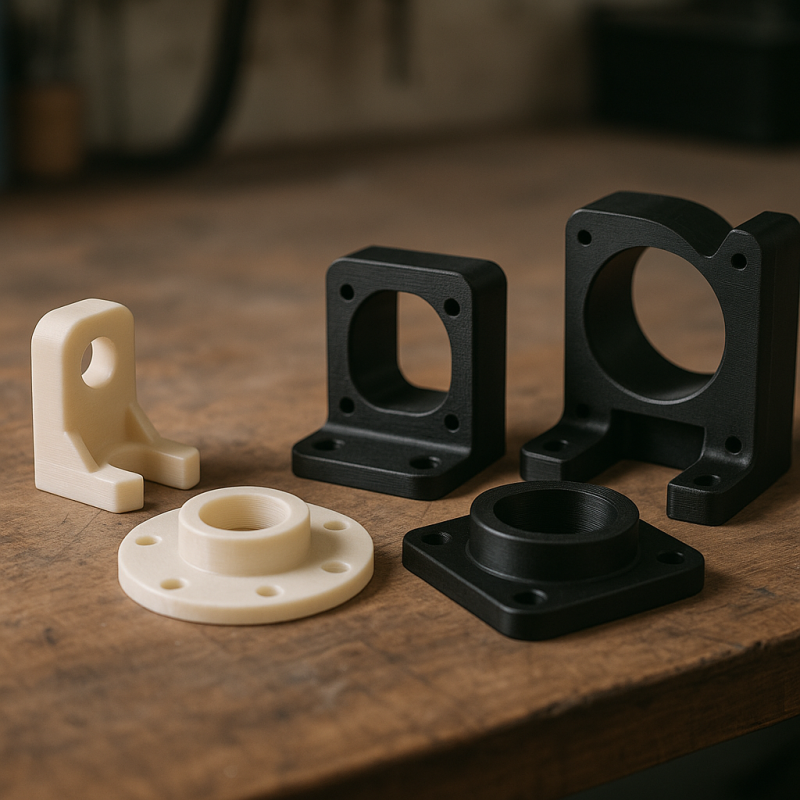
For a standard bracket that needs to be tough and resist impacts, a high-quality, standard PETG from a reputable manufacturer is an excellent and cost-effective choice. Its natural ductility will allow it to bend slightly under extreme load rather than shattering.
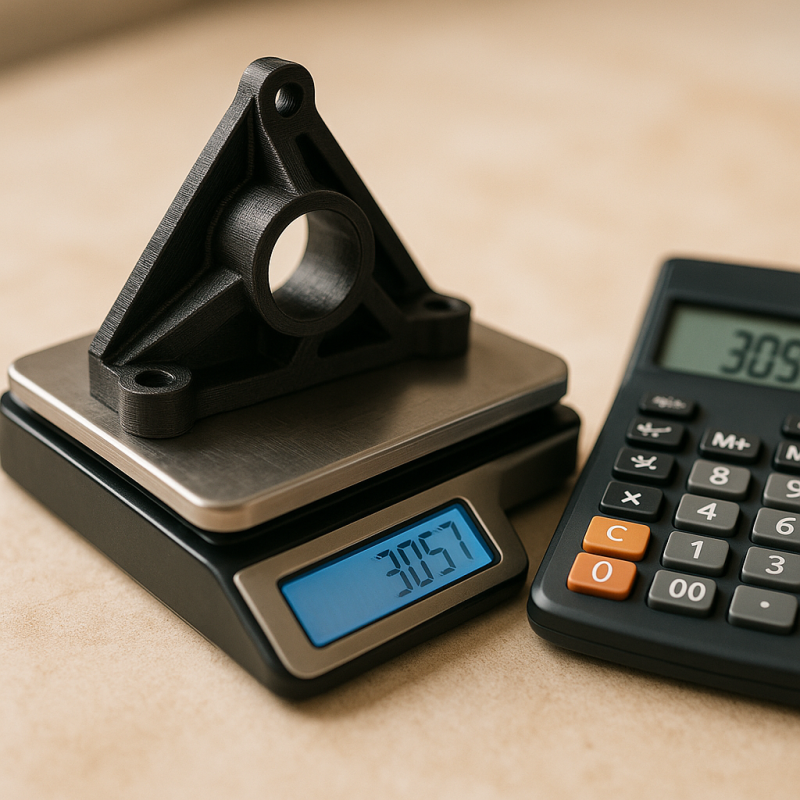
However, if the part requires high rigidity—meaning it must not flex under load—then a reinforced composite is the superior option. A PETG carbon fiber filament is the ideal candidate here. The increased stiffness provided by the carbon fibers will ensure the part holds its shape precisely, which is critical for alignment jigs or components in a motion system. The trade-offs are higher cost and the need for a hardened nozzle, but for performance-critical applications, the investment is well-justified.
For Prototypes: Balancing Speed, Cost, and Functionality
Prototyping is a broad category. The right material depends on the stage of the prototyping process.
For early-stage “looks-like” prototypes, where the goal is simply to evaluate the form and ergonomics of a design, PLA is often faster and cheaper.
For mid-stage “works-like” prototypes, PETG is a fantastic choice. It allows you to create functional prototypes that can be tested under realistic conditions. A standard PETG provides a good balance of cost and performance for iterative design, allowing you to print, test, and refine a part’s geometry without the expense of using a high-performance composite for every version.
For late-stage, pre-production prototypes that need to closely mimic the final product’s performance, you would again turn to an application-specific choice. If the final part will be injection molded from a reinforced nylon, then printing the prototype in PETG-CF will give a much better approximation of its stiffness and strength than standard PETG would.
For Aesthetic Prints: When Looks Matter Most
When the primary purpose of an object is visual appeal, the mechanical properties take a back seat. This could be a decorative vase, a piece of costume armor, a display model, or a unique light fixture.
Here, the vast world of specialty PETG filaments opens up. A translucent PETG in a vibrant color can create beautiful, gem-like objects that interact with light. A silk PETG can be used to print trophies or decorative items with a luxurious, metallic sheen. A matte PETG, whether a specialty formulation or a carbon fiber variant, can provide a sophisticated, modern look for enclosures or sculptures.
When making this choice, remember the trade-offs. These aesthetic filaments may be more brittle or require more careful tuning than their standard counterparts. But for an object whose telos is to be beautiful, this is a worthy compromise. By consciously matching the material to the intended function, you move from simply using a material to truly engineering with it, unlocking the full potential of your 3D printer.
Frequently Asked Questions
Is PETG better than PLA?
Neither material is universally “better”; they are suited for different purposes. PLA is easier to print, more rigid, and better for detailed, non-functional models. PETG is significantly stronger, more durable, and more resistant to heat and chemicals, making it superior for mechanical parts and functional prints that need to withstand stress.
Why is my PETG filament so stringy?
Stringing is the most common issue with PETG and is caused by its tendency to ooze from the hot nozzle. To fix this, you should first ensure your filament is completely dry. Then, focus on tuning your retraction settings (distance and speed) in your slicer. Printing a retraction test tower is the best way to dial in the perfect values for your specific printer and filament. Lowering the print temperature slightly can also help reduce oozing.
Do I really need a hardened nozzle for carbon fiber PETG?
Yes, absolutely. Carbon fiber is extremely abrasive. A standard brass nozzle will be worn down very quickly, sometimes in a single print. This wear widens the nozzle diameter, leading to severe under-extrusion and print failure. You must use a wear-resistant nozzle made of hardened steel, ruby, or tungsten carbide to print any carbon fiber composite filament.
Can PETG be used for outdoor applications?
PETG has good UV resistance compared to PLA, making it a suitable choice for many outdoor applications. It will not become as brittle or degrade as quickly when exposed to sunlight. For long-term outdoor use, especially for parts that will be under constant sun exposure, ASA (Acrylonitrile Styrene Acrylate) is an even better choice as it is specifically formulated for superior weather and UV resistance.
How do I get PETG prints to stick to the bed?
PETG requires a heated bed, typically set between 70°C and 85°C. It adheres very well to a clean PEI build surface. In fact, the adhesion can be so strong that it can damage the surface upon removal. It is a common practice to use a release agent like a thin layer of glue stick or hairspray to act as a barrier, making the print easier to remove once it has cooled.
What is the difference between PET and PETG?
PET is the common plastic used in water bottles. PETG is a modified version of PET where glycol is added during polymerization. This modification prevents the plastic from crystallizing when heated, making it clearer and much easier to process with a 3D printer. It lowers the melting point and widens the printing window, transforming it into a reliable FDM material.
Is PETG food-safe?
Many PETG filaments are made from resins that are FDA-compliant for food contact. However, the 3D printing process itself can introduce issues. The layer lines in a printed object can trap bacteria and are difficult to clean properly. Additionally, your printer’s nozzle and extruder may contain trace materials that are not food-safe. If you need to print a food-contact item, you should use a filament specifically certified as food-safe and consider coating the final print with a food-grade epoxy or sealant.
Conclusion
The inquiry into the best PETG filament reveals a truth applicable to many aspects of engineering and design: the concept of “best” is contingent upon purpose. There is no single spool of PETG that reigns supreme for every application. Instead, our investigation has armed you with a framework for making an informed choice, transforming a question of overwhelming choice into a logical process of evaluation. We have seen that the material’s journey begins at the chemical level, with the glycol modification that gives PETG its signature blend of strength and usability.
We have navigated the critical factors that separate a commodity material from a professional-grade one, from the microscopic consistency of its diameter to the macroscopic neatness of its winding. The path to a successful print is paved with an understanding of the material’s demands—the necessity of drying, the accommodation for its abrasive nature when reinforced, and the patient tuning of slicer settings to tame its inherent characteristics. The choice between a standard workhorse PETG, a stiff carbon-fiber-reinforced variant, or an aesthetically pleasing silk or matte finish is not a matter of absolute quality but of aligning the material’s properties with the intended function, or telos, of the final object. By approaching your next project with this structured understanding, you are no longer just a user of filament; you are a discerning practitioner, capable of selecting the precise tool for the task at hand and achieving results that are both mechanically sound and visually compelling.
References
- Intagly. (2025). Best PETG filament 2025: Top spools for strength & ease. Intagly.
- Reddit. (2023). Most favorable PETG filament brand?. r/BambuLab.
- SigmaFilament. (2026, January 25). Actionable buyer’s guide: 7 factors for success with carbon fiber PETG in 2026. https://sigmafilament.com/carbon-fiber-petg-printing-guide/
Last reviewed and updated: February 2026. Author: SigmaFilament Engineering Team. For custom filament solutions and wholesale inquiries, contact our team.