Data-Backed CF-PETG vs CF-Nylon: 7 Key Differences for Engineering Parts in 2026


Abstract
The selection of an appropriate composite material for functional 3D printing applications is a critical decision that balances mechanical performance, thermal resistance, and printability. This analysis examines the comparative properties of two prominent carbon fiber reinforced filaments: Carbon Fiber Polyethylene Terephthalate Glycol (CF-PETG) and Carbon Fiber Nylon (CF-Nylon). It provides a detailed exploration of their respective strengths and weaknesses across seven key domains: mechanical properties, thermal stability, hygroscopicity, ease of printing, chemical resistance, surface finish, and cost. CF-PETG emerges as a material offering high stiffness, excellent dimensional stability, and relative ease of printing with low moisture absorption. In contrast, CF-Nylon presents superior toughness, impact resistance, and a higher heat deflection temperature, making it suitable for more demanding mechanical and thermal environments, albeit with significant challenges related to moisture management and printing difficulty. This investigation synthesizes technical data with practical considerations to furnish engineers, designers, and professionals with a clear framework for choosing the optimal material for specific engineering parts and functional prototypes in 2026.
Key Takeaways
- Choose CF-PETG for stiff, dimensionally accurate parts with minimal printing hassle.
- Select CF-Nylon for superior toughness and heat resistance in demanding applications.
- Properly drying CF-Nylon is non-negotiable for achieving its peak performance.
- The CF-PETG vs CF-Nylon choice depends on balancing stiffness against impact strength.
- Both materials require a hardened steel nozzle due to the abrasive nature of carbon fiber.
- CF-PETG offers better resistance to a wider range of chemicals and moisture.
- Evaluate total cost, including failed prints and hardware wear, not just spool price.
Table of Contents
- Understanding the Building Blocks: A Primer on PETG and Nylon
- The Core Comparison: CF-PETG vs CF-Nylon at a Glance
- Difference 1: Mechanical Properties – Stiffness vs. Toughness
- Difference 2: Thermal Performance and Environmental Stability
- Difference 3: The Challenge of Hygroscopicity – Moisture’s Impact
- Difference 4: Printability and User Experience
- Difference 5: Chemical Resistance and Application Environments
- Difference 6: Surface Finish and Post-Processing
- Difference 7: Cost Analysis and Total Cost of Ownership
- Application Deep Dive: Where Each Material Excels
- Frequently Asked Questions (FAQ)
- Conclusion
- References
Understanding the Building Blocks: A Primer on PETG and Nylon
Before we can appreciate the nuanced capabilities that arise when carbon fibers are introduced into a polymer matrix, we must first develop a sensitivity to the fundamental character of the base polymers themselves. Much like understanding the qualities of different woods is essential before one can judge the strength of a composite beam, knowing the intrinsic nature of PETG and Nylon is the foundation upon which a sound material selection rests. These are not merely interchangeable plastics; they are distinct chemical families with unique personalities, histories, and dispositions. To choose between CF-PETG and CF-Nylon is to choose between two different philosophies of material performance.
The Nature of PETG: Clarity, Ease, and Chemical Resistance
Polyethylene Terephthalate Glycol, or PETG, belongs to the polyester family. You interact with its simpler cousin, PET, every time you hold a disposable water bottle. The “G” in PETG stands for glycol, which is introduced during polymerization to create a more disordered molecular structure. Think of it as intentionally creating a bit of a jumble at the molecular level. While a highly ordered, crystalline structure can be very strong, it can also be brittle and opaque. By adding glycol, we disrupt this crystallization, resulting in a polymer that is clearer, less brittle, and has a lower melting point, making it far more suitable for the delicate process of FDM 3D printing.
The defining characteristics of PETG are its balance and its user-friendliness. It possesses good strength, a respectable degree of temperature resistance, and excellent chemical resistance, particularly against acids, bases, and solvents where other materials might fail. Perhaps its most celebrated virtue in the 3D printing community is its low shrinkage and superb layer adhesion, which lead to a printing experience that is often as straightforward as with PLA, yet yields parts with far superior mechanical and thermal properties. It represents a significant step up from basic prototyping materials without introducing the host of difficulties that often accompany high-performance engineering filaments.
The Character of Nylon (Polyamide): Toughness, Flexibility, and Hygroscopicity
Nylon is not a single material but a family of polymers known as polyamides (PA). Common variants in 3D printing include PA6, PA12, and PA6,6. The name itself, a product of the DuPont chemical company, evokes a sense of modern resilience and strength, born from its initial use in toothbrush bristles and, most famously, women’s stockings in the 1940s. Its core identity is rooted in toughness and durability. Where PETG is stiff and rigid, Nylon is pliable and resilient. It can bend, flex, and absorb significant impact energy without fracturing. This property, known as high impact strength, makes it the material of choice for parts that are meant to endure repeated stress, vibration, and collisions—think living hinges, gears, and snap-fit components.
However, this remarkable toughness comes with a profound and defining challenge: hygroscopicity. Nylon is like a sponge; it readily absorbs moisture from the surrounding atmosphere. The polyamide chains contain amide groups that form strong hydrogen bonds with water molecules. This absorbed water acts as a plasticizer, making the material even more flexible and tough but simultaneously reducing its stiffness and strength. More critically for 3D printing, attempting to print “wet” Nylon is a recipe for disaster. When the filament reaches the hotend, the trapped water instantly boils into steam, causing pops, voids, and terrible layer adhesion, resulting in a fragile, ugly part. This necessitates a rigorous and non-negotiable routine of filament drying and dry storage, a complication that sets it apart from more forgiving materials like PETG.
The Role of Carbon Fiber: Why Add It?
If PETG provides balanced ease and Nylon offers rugged toughness, what purpose does the addition of chopped carbon fibers serve? Infusing a polymer with carbon fibers is a transformative act. These tiny, incredibly strong strands act as a reinforcing skeleton within the plastic matrix. They are exceptionally stiff and strong for their weight. When mixed into a polymer and extruded into a filament, they bring several dramatic improvements.
First and foremost, they drastically increase stiffness, or tensile modulus. A standard PETG or Nylon part might feel somewhat flexible; a carbon fiber reinforced version will be markedly more rigid. This is crucial for structural components that must resist bending under load. Second, the fibers improve dimensional stability. As the plastic cools and solidifies after being extruded, the embedded fibers restrict its movement, leading to significantly less warping and shrinkage. This allows for the printing of larger, flatter parts with greater accuracy. Finally, they generally increase the heat deflection temperature (HDT), meaning the part can withstand higher temperatures before it begins to soften and deform. The trade-off is that they make the material more brittle—reducing its ability to stretch before breaking—and highly abrasive, requiring specialized hardware like hardened steel nozzles to print without rapid degradation. The resulting composite is no longer just PETG or Nylon; it is a new material, a hybrid that seeks to combine the printability of the polymer with the rigidity of the fiber. The central question in the CF-PETG vs CF-Nylon debate is how well each base polymer accepts this transformation and which hybrid is best suited for a given task.
The Core Comparison: CF-PETG vs CF-Nylon at a Glance
For those who must make swift decisions, a high-level overview can illuminate the fundamental trade-offs. The following table distills the complex characteristics of each material into a comparative framework, serving as a preliminary guide before we delve into the deeper analysis of each property.
| Feature | Carbon Fiber PETG (CF-PETG) | Carbon Fiber Nylon (CF-Nylon) |
|---|---|---|
| Primary Strength | High Stiffness & Dimensional Stability | Exceptional Toughness & Impact Strength |
| Heat Resistance | Good (Approx. 80-85°C HDT) | Excellent (Approx. 120-150°C HDT) |
| Moisture Sensitivity | Very Low | Extremely High |
| Print Difficulty | Moderate | High |
| Warping & Adhesion | Low warping, good adhesion | High warping potential, can be difficult |
| Hardware Requirement | Hardened Nozzle (Required) | Hardened Nozzle (Required), All-Metal Hotend, Dry Box (Highly Recommended) |
| Cost | Moderate | High |
Difference 1: Mechanical Properties – Stiffness vs. Toughness
The language of mechanical properties—tensile strength, modulus, impact resistance—can often feel abstract and removed from the tangible reality of a printed part. Yet, it is in these precise measurements that the true character of a material is revealed. When we examine the contest of CF-PETG vs CF-Nylon, we are not merely comparing numbers on a data sheet; we are probing the very soul of each material to understand how it will behave under stress. The core of this mechanical narrative is a classic engineering trade-off: the battle between stiffness and toughness.
Tensile Strength and Modulus: The Quest for Rigidity
Imagine holding a thin ruler. When you try to bend it, the resistance you feel is a manifestation of its stiffness. In material science, this property is quantified by the tensile modulus (also known as Young’s modulus). A higher modulus means the material is stiffer and will deflect less under a given load. Tensile strength, on the other hand, is the maximum pulling stress the material can withstand before it begins to permanently deform or break.
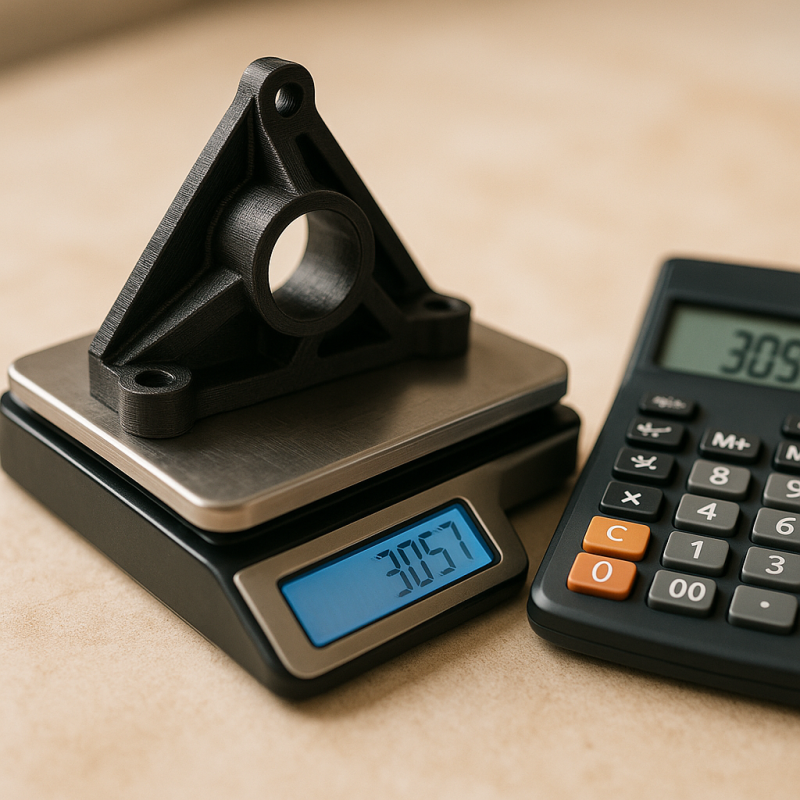
In this arena, CF-PETG often presents a compelling case. The addition of carbon fibers to the already relatively rigid PETG matrix results in a composite with a very high tensile modulus. Parts printed in CF-PETG feel incredibly stiff and unyielding. This makes it an outstanding choice for applications where maintaining shape and resisting flex is the primary goal. Think of drone frames, mounting brackets for heavy equipment, or the chassis of a radio-controlled car. In these cases, any flex in the structure can lead to instability, vibration, or a loss of precision.
CF-Nylon, while also significantly stiffened by the carbon fibers, typically exhibits a slightly lower tensile modulus than its CF-PETG counterpart, assuming both are properly dried. The inherent flexibility of the polyamide chains is not entirely overcome by the fiber reinforcement. However, its tensile strength is often competitive and can sometimes exceed that of CF-PETG. This means that while it might bend a little more under load, it can often bear a similar or even greater ultimate load before failure. The choice, then, becomes a matter of design intent. If the absolute priority is to prevent any bending, CF-PETG holds an advantage. If a small amount of flex is acceptable in exchange for other benefits, CF-Nylon remains a powerful contender.
Impact Strength and Elongation: The Capacity to Endure
Toughness is a more complex and, I would argue, more profound quality than simple strength. It is not about how much force a material can resist, but how much energy it can absorb before it fractures. A ceramic plate is very strong and stiff, but it is not tough; drop it, and it shatters. A rubber tire is not particularly stiff, but it is exceptionally tough. This capacity to endure is where CF-Nylon truly distinguishes itself.
The semi-crystalline structure of the nylon polymer, combined with its ability to deform plastically, allows it to absorb tremendous amounts of impact energy. Even with the addition of carbon fibers, which inherently make a material more brittle, CF-Nylon retains a significant portion of its base polymer’s legendary toughness. A part printed in CF-Nylon can often survive drops, crashes, and sudden shocks that would cause a CF-PETG part to crack or shatter. This is why CF-Nylon is the preferred material for protective components, high-impact machine parts like gears and bushings, or any application where failure would be catastrophic and sudden impacts are a certainty.
CF-PETG, by contrast, is a more brittle material. Its amorphous structure, while beneficial for printing, does not lend itself to energy absorption in the same way. The failure mode of a CF-PETG part is typically a sudden, clean fracture with little to no plastic deformation beforehand. This does not make it a “weak” material—its stiffness and strength are considerable—but it does mean it is less forgiving. It is less suited for applications that involve dynamic, repetitive, or unexpected impacts.
A Practical Analogy: The Diving Board vs. The Bridge Beam
To ground these concepts in a more intuitive way, consider the difference between a diving board and a structural I-beam in a bridge.
The bridge beam represents CF-PETG. Its primary function is to be as stiff as possible, to resist bending under the immense, constant load of traffic. We do not want the bridge to flex and bounce. We value its rigidity and dimensional stability above all else. Its failure, should it occur, would be a catastrophic structural collapse.
The diving board represents CF-Nylon. It is designed to bend and flex, storing the energy of the diver’s jump and then releasing it to propel them into the air. It needs to be strong enough not to break, but its function is entirely dependent on its ability to deform and return to its shape. It is, in a word, tough. We value its resilience and ability to absorb energy.
When you are deciding between CF-PETG vs CF-Nylon, ask yourself: is the part I am designing more like a bridge beam or a diving board? Is its primary purpose to hold its shape rigidly against a constant force, or is it to survive and function through repeated impacts and flexural stresses? Your answer to that question will guide you powerfully toward the correct material choice.
Difference 2: Thermal Performance and Environmental Stability
A 3D printed part does not exist in a vacuum. It must function within an environment, and a critical aspect of that environment is temperature. A bracket that is perfectly strong at room temperature may become as soft as licorice inside a hot car in July. A housing that holds tight tolerances in an air-conditioned office might warp and fail in the heat of a running engine. Understanding a material’s response to heat is therefore not an academic exercise; it is a fundamental requirement for designing parts that work in the real world. In the comparison of CF-PETG vs CF-Nylon, the differences in thermal performance are stark and have significant consequences for their respective applications.
Heat Deflection Temperature (HDT): Resisting Deformation Under Load
The most common metric used to gauge a material’s high-temperature performance is the Heat Deflection Temperature (HDT), sometimes called the Deflection Temperature Under Load (DTUL). This test does not measure the temperature at which the material melts. Instead, it measures the temperature at which a standardized bar of the material, placed under a specific load, deforms by a set amount. It is a practical measure of a part’s ability to maintain its shape and perform its structural function as temperatures rise.
In this critical measure, CF-Nylon demonstrates a clear and significant superiority. While standard PETG has an HDT around 70°C, the addition of carbon fibers boosts this to a respectable 80-85°C for CF-PETG. This makes it suitable for many electronic enclosures or parts that get warm, but it remains vulnerable in more demanding thermal environments. A CF-PETG part left on a car dashboard on a sunny day, where temperatures can easily exceed 80°C, is at high risk of deforming.
CF-Nylon, on the other hand, boasts a much higher HDT. Depending on the specific grade of nylon and the fiber content, the HDT of CF-Nylon can range from 120°C all the way up to 150°C or even higher after annealing. This is a dramatic leap in performance. It opens up a whole new range of applications, such as parts for under-the-hood automotive use, components for industrial machinery that generates significant heat, or fixtures for use in sterilization processes like autoclaving. This high-temperature resilience is one of the primary reasons engineers are willing to endure the printing challenges that Nylon presents.
Glass Transition Temperature (Tg): The Onset of Softening
To understand why these materials behave so differently, we must look at a more fundamental property: the glass transition temperature (Tg). The Tg is the temperature at which a polymer transitions from a rigid, glassy state to a softer, more rubbery state. Below its Tg, the long polymer chains are locked in place. Above its Tg, they have enough energy to begin sliding past one another. While HDT is a practical test of a loaded part, Tg is an intrinsic property of the polymer itself.
PETG has a Tg of approximately 80°C. Notice how this number is very close to its HDT. This means that once PETG passes its glass transition, it softens quite rapidly and loses its structural integrity. The carbon fibers help to hold the structure together for a little longer, which is why the HDT is slightly above the Tg, but the performance cliff is steep.
Nylon’s behavior is more complex. Its Tg is actually quite low, often in the range of 40-60°C, which is below that of PETG. This might seem paradoxical given its high HDT. The explanation lies in Nylon’s semi-crystalline nature. Above its Tg, the amorphous regions of the polymer soften, but the highly ordered crystalline regions remain intact, acting like a rigid scaffold that holds the material together. The material does not truly lose its structural integrity until it approaches its melting temperature, which is much higher (often over 200°C). The carbon fibers further reinforce this scaffold, pushing the HDT to those impressive triple-digit figures. This is why a CF-Nylon part can feel slightly more flexible than a CF-PETG part at room temperature (it is above its Tg) yet can withstand far higher temperatures under load.
Creep Resistance: Long-Term Stability Under Stress
A final, more subtle aspect of thermal performance is creep resistance. Creep is the tendency of a solid material to deform permanently under the influence of persistent mechanical stress, especially at elevated temperatures. Imagine a bracket holding a heavy motor. Even if the temperature is below the HDT and the load is below the material’s yield strength, the part might slowly sag or deform over weeks or months.
Here again, the semi-crystalline structure of Nylon gives CF-Nylon an advantage. The crystalline regions act as anchor points, resisting the slow slippage of polymer chains that causes creep. CF-PETG, being amorphous, is generally more susceptible to creep, particularly as temperatures approach its Tg. For applications involving a constant, long-term load, especially in a warm environment, CF-Nylon is often the more reliable choice for maintaining dimensional accuracy over the life of the part. This long-term stability is a hallmark of a true engineering-grade material.
| Thermal Property | Carbon Fiber PETG (CF-PETG) | Carbon Fiber Nylon (CF-Nylon) (Dry) |
|---|---|---|
| Glass Transition Temp. (Tg) | ~80 °C | ~50-70 °C (but misleading) |
| Heat Deflection Temp. (HDT) | ~80-85 °C | ~120-150+ °C |
| Continuous Use Temperature | ~75 °C | ~100-120 °C |
| Creep Resistance | Good | Excellent |
| Performance Driver | Amorphous structure softens near Tg | Crystalline structure maintains integrity far above Tg |
Difference 3: The Challenge of Hygroscopicity – Moisture’s Impact
If there is a single characteristic that defines the experience of working with Nylon, it is its relationship with water. As we touched on earlier, polyamides are hygroscopic, meaning they actively attract and absorb water molecules from the air. This is not a minor quirk; it is a central feature of the material’s chemistry that has profound implications for every stage of its life, from storage and printing to the final in-service performance of the part. PETG, in contrast, is largely indifferent to ambient humidity. This fundamental divergence in how the two materials interact with moisture is arguably the most significant practical difference between them and is often the deciding factor in the CF-PETG vs CF-Nylon deliberation.
Nylon’s Thirst: A Double-Edged Sword
The polyamide molecule contains repeating amide groups (-CO-NH-). The hydrogen atom in the N-H part of the group carries a slight positive charge, while the oxygen atom in the C=O part carries a slight negative charge. Water (H₂O), being a polar molecule, is drawn to these charges, forming strong hydrogen bonds and nestling itself between the polymer chains. A spool of Nylon filament left in a room with 50% relative humidity can absorb several percent of its weight in water.
This absorbed moisture has two major effects. First, as discussed in the context of mechanical properties, it acts as a plasticizer. It lubricates the polymer chains, allowing them to move more freely. This increases the material’s toughness and impact resistance but comes at the cost of reduced stiffness (tensile modulus) and strength. A “wet” CF-Nylon part is a tougher, more flexible part. A “dry” CF-Nylon part is a stiffer, stronger, but more brittle part. This means the mechanical properties of a CF-Nylon part are not static; they change depending on the humidity of its service environment.
The second, and more immediately problematic, effect occurs during printing. When the wet filament enters the printer’s hotend, which is heated to 260-300°C, the absorbed water violently flashes to steam. This tiny explosion creates a void within the molten plastic, leads to under-extrusion, and produces a tell-tale popping or crackling sound from the nozzle. The steam bubbles degrade the surface finish, leaving it rough and pitted. Most critically, they prevent the molten layers from properly fusing, resulting in catastrophically poor layer adhesion. A part printed with wet Nylon may look complete, but it will be incredibly weak, often break apart along the layer lines with minimal force.
PETG’s Relative Indifference: A Path to Consistency
PETG, being a polyester, does not have the same chemical affinity for water. While it is not perfectly hydrophobic (it can absorb a very small amount of moisture, typically less than 0.2% by weight), its rate of absorption is dramatically lower than Nylon’s. For all practical purposes, a spool of PETG can be left out in a typical room for days or even weeks with no noticeable degradation in print quality or performance. It does not require the same vigilant drying and storage protocol as Nylon.
This consistency is a massive practical advantage. It means that the properties of a CF-PETG part are stable and predictable. The part you print on a dry winter day will have virtually identical mechanical properties to one you print during a humid summer week. You can design a part with confidence, knowing that its stiffness and strength will not fluctuate with the weather. This reliability simplifies the entire workflow, from material handling to final application, and lowers the barrier to entry for achieving high-quality, functional parts. It is a key reason why many users choose CF-PETG for projects where the extreme toughness or heat resistance of Nylon is not strictly necessary. For businesses that need reliable production, such as those sourcing for print farms, this consistency translates directly to higher success rates and lower operating costs.
Practical Implications: Drying, Storage, and In-Service Performance
The consequences of this difference are far-reaching. To successfully print CF-Nylon, a dedicated filament dryer is not an optional accessory; it is an essential piece of equipment. Best practice involves drying a new spool for at least 4-8 hours at 70-80°C before the first use, and then printing directly from a “dry box”—an airtight container with desiccant that feeds the filament to the printer—to prevent re-absorption of moisture during long prints. This adds complexity, time, and cost to the process.
Furthermore, the designer must account for the changing properties of CF-Nylon in its intended service environment. If a part is designed using the “dry” material data but will operate in a humid location, it will become more flexible and less stiff in service. This dimensional and mechanical change must be anticipated. Conversely, for CF-PETG, what you print is, by and large, what you get. The need for specialized drying equipment is minimal, and the in-service properties are highly stable.
This makes the choice clear: if your application can tolerate the mechanical and thermal limits of CF-PETG, its immunity to moisture-related issues offers a much simpler and more reliable path to a successful part. If you absolutely require the superior toughness and temperature resistance of CF-Nylon, you must be prepared to fully commit to a rigorous moisture management discipline. There is no middle ground.
Difference 4: Printability and User Experience
A material’s theoretical properties are meaningless if you cannot successfully transform the filament on a spool into the object you have designed. The “printability” of a material encompasses a wide range of behaviors—how well it sticks to the bed, how much it warps, the temperatures it requires, and the toll it takes on the printer itself. This is where the user’s experience is forged, in the successes and frustrations of the printing process. In the CF-PETG vs CF-Nylon matchup, the experience can be as different as a pleasant afternoon drive versus a challenging off-road expedition.
Bed Adhesion and Warping: The Fight for a Flat First Layer
The foundation of any successful 3D print is a perfect first layer, securely bonded to the print surface. Warping, the phenomenon where the corners and edges of a print lift off the bed as it cools, is the enemy of this foundation. It is caused by the internal stresses that build up as the extruded plastic shrinks.
CF-PETG is generally well-behaved in this regard. The base PETG polymer has inherently low shrinkage, and the addition of carbon fibers further stabilizes it, acting as a rigid skeleton that physically resists the tendency to contract. As a result, CF-PETG exhibits minimal warping, even on large parts. It adheres well to a variety of build surfaces, with a heated glass bed coated with a glue stick or a PEI sheet being common and effective solutions. While it requires a heated bed (typically 70-85°C), it can often be printed successfully on open-frame printers without a full enclosure, especially for small to medium-sized parts. This makes it accessible to a wider range of machines and users.
CF-Nylon is a different beast entirely. The semi-crystalline nature of the polyamide polymer leads to a much higher degree of shrinkage as it cools and crystallizes. This creates immense internal stress that pulls relentlessly at the corners of the print, making it notoriously prone to warping. A large, flat part printed in CF-Nylon without the proper setup will almost certainly curl up and detach from the bed. To combat this, a high bed temperature (often 90-110°C) is just the starting point. Specialized bed surfaces, such as Garolite (G-10) or FR-4, are often recommended for their excellent adhesion to Nylons. A generous brim or even a raft is frequently necessary to provide more surface area to hold the part down. Most importantly, a heated chamber or enclosure is considered almost mandatory for printing CF-Nylon. An enclosure maintains a high ambient temperature around the part, slowing the cooling process and reducing the thermal gradients that cause stress and warping.
Printing Temperatures and Enclosure Needs
The temperature requirements also reflect this difference in difficulty. CF-PETG typically prints at a nozzle temperature of 230-260°C. This is well within the capabilities of most modern 3D printers, including many entry-level models, provided they are equipped with an all-metal hotend to prevent the degradation of a PTFE liner at these temperatures.
CF-Nylon demands more heat. Its printing temperatures usually start around 260°C and can go up to 300°C or higher for some formulations. This requires a printer with a high-quality, all-metal hotend capable of reliably maintaining these elevated temperatures. As mentioned, the need for a heated enclosure to control warping also adds a significant hardware requirement that is not present for CF-PETG. The enclosure not only prevents warping but also improves layer adhesion by keeping the previous layer closer to its glass transition temperature when the new layer is applied, promoting a stronger weld.
Abrasiveness and Hardware Requirements: The Cost of Strength
There is one area where both materials stand on equal ground: they are both highly abrasive. Carbon fiber is an incredibly hard and sharp material. As the filament passes through the printer’s extruder and nozzle, the chopped fibers act like sandpaper, rapidly wearing away softer metals like brass. Printing CF-PETG or CF-Nylon with a standard brass nozzle is a recipe for rapid failure. The nozzle’s orifice will be widened and distorted in a matter of hours, leading to poor extrusion quality, loss of detail, and dimensional inaccuracy.
For this reason, a hardened nozzle is not a recommendation; it is an absolute requirement for both materials. Common choices include hardened steel, ruby-tipped, or tungsten carbide nozzles. These materials are significantly harder than the carbon fibers and can withstand the abrasion for hundreds or even thousands of printing hours. Similarly, the extruder gears that grip and push the filament can also be subject to wear over time, and hardened steel extruder gears are a wise upgrade for anyone planning to print a significant volume of composite materials. This is a crucial consideration for any cost-benefit analysis, as the need for more expensive, durable “consumable” components must be factored in. For high-volume users, sourcing from suppliers who understand the demands of these engineering materials is vital.
In essence, printing CF-PETG is an intermediate-level challenge. It requires a well-calibrated machine and a hardened nozzle, but it is generally forgiving. Printing CF-Nylon is an advanced-level endeavor. It demands a capable, enclosed printer, meticulous moisture control, specialized bed surfaces, and a patient, iterative approach to dialing in settings.
Difference 5: Chemical Resistance and Application Environments
A part’s utility is often defined by its ability to survive its intended environment, which may include exposure to a variety of chemicals, oils, solvents, and fuels. A material that performs brilliantly in air might dissolve or degrade when exposed to a specific cleaning agent or industrial fluid. The chemical resistance profile of a material is a critical, though often overlooked, aspect of its performance. The polyester and polyamide families have fundamentally different chemical makeups, which gives CF-PETG and CF-Nylon distinct strengths and weaknesses in this domain.
CF-PETG’s Broad Resistance Profile
One of the standout features of the base PETG polymer is its excellent chemical resistance. It holds up well against a wide array of common substances, making it a versatile and reliable choice for general-purpose functional parts. It is particularly resistant to aqueous solutions, including many acids and alkalis, as well as salts. It also demonstrates good resistance to aliphatic hydrocarbons, oils, and greases.
This broad resistance makes CF-PETG an excellent candidate for parts that may come into contact with a variety of substances or require cleaning. For example, it is suitable for creating custom lab equipment, protective covers for machinery that might be exposed to cutting fluids, or parts for use in food processing environments (though a specific food-safe certification would be required for direct food contact). The carbon fiber reinforcement does not significantly alter this base chemical resistance; it primarily adds stiffness and thermal stability. The inherent stability of the polyester chains makes CF-PETG a dependable choice when the exact chemical exposure is varied or not perfectly known.
CF-Nylon’s Vulnerability to Acids and Strengths with Solvents
Nylon’s chemical resistance profile is more specialized. Its greatest strength lies in its excellent resistance to many organic solvents, fuels, oils, and greases. This is why Nylon is frequently used for automotive components in the engine bay, fuel system components, and industrial parts that are constantly exposed to lubricants. A CF-Nylon part can be submerged in gasoline, motor oil, or acetone with little to no degradation. This makes it the clear winner for applications in harsh automotive or industrial settings where exposure to these specific types of chemicals is a primary concern.
However, Nylon has a significant Achilles’ heel: it has poor resistance to strong acids and bases. The same amide bonds that make it hygroscopic are also susceptible to attack and breakdown by acidic or alkaline solutions. This process, known as hydrolysis, can cause the material to lose its strength and integrity rapidly. Therefore, CF-Nylon would be a poor choice for parts used in chemical processing plants that handle strong acids, or even for components that might be cleaned with aggressive alkaline detergents.
Choosing a Material for Specific Industrial Environments
The decision-making process here becomes a matter of matching the material to the specific chemical hazards of the application environment.
- For a general-purpose workshop jig or fixture: CF-PETG is likely the better choice. It will resist incidental contact with various oils, coolants, and cleaners without issue.
- For a custom gear inside a transmission case: CF-Nylon is the superior option. Its excellent resistance to hydrocarbon-based lubricating oils, combined with its toughness, makes it ideal for this environment.
- For a part inside a running engine bay: CF-Nylon is the only viable choice. It must withstand not only high temperatures but also constant exposure to fuel vapor, oils, and glycol-based coolants.
- For a battery housing: CF-PETG would be a safer bet. In the event of a battery leak, which often involves strong acids or bases (like potassium hydroxide in alkaline batteries), PETG would offer better resistance than Nylon.
Ultimately, when chemical exposure is a factor, one cannot rely on generalities. It is imperative to consult detailed chemical resistance charts provided by material manufacturers. These charts typically list the performance of a polymer when exposed to hundreds of specific chemicals, often rating the effect as “Excellent,” “Good,” “Fair,” or “Not Recommended.” A careful review of this data, in the context of the specific application, is the only way to make an informed and safe decision in the CF-PETG vs CF-Nylon selection process.
Difference 6: Surface Finish and Post-Processing
While functional parts are judged primarily on their performance, their aesthetic and dimensional qualities are far from irrelevant. A clean surface finish can be crucial for parts that interface with others, while the ability to be post-processed—sanded, painted, or machined—can expand a part’s utility. The infusion of carbon fibers imparts a distinctive look to both PETG and Nylon, but the underlying nature of the polymers still influences the final outcome and the options available to the user after the print is complete.
The Aesthetics of Carbon Fiber Composites
One of the most immediate and appealing aspects of printing with carbon fiber-filled filaments is the beautiful matte black surface finish they produce. The short, chopped fibers are distributed throughout the polymer matrix, and their presence on the surface of the part diffuses light, hiding the layer lines that are often prominent in prints made from standard, unfilled polymers. This effect is present in both CF-PETG and CF-Nylon, lending parts a professional, high-tech appearance straight off the printer.
Generally, CF-PETG tends to produce a slightly cleaner and more consistent surface finish with less effort. Its lower printing temperature and better flow characteristics can result in sharper details and fewer surface artifacts. CF-Nylon, being more challenging to print, can sometimes exhibit a rougher surface texture, especially if the filament is even slightly damp or if the printing temperatures are not perfectly optimized. However, when printed correctly under ideal conditions (perfectly dry filament, enclosed printer), CF-Nylon can also produce a stunningly smooth, deep matte finish. The quality of the finish on CF-Nylon is less a property of the material itself and more a testament to the skill and diligence of the operator.
Sanding, Painting, and Finishing Considerations
For applications requiring even smoother surfaces or custom colors, post-processing is a necessary step. Both CF-PETG and CF-Nylon parts can be sanded to achieve a smoother finish. However, a significant health and safety precaution must be observed: when sanding carbon fiber composites, it is absolutely essential to wear a respirator or dust mask. The process generates fine dust containing microscopic carbon fiber fragments, which can be harmful if inhaled. Wet sanding is a highly recommended technique as it uses water to trap the dust particles, preventing them from becoming airborne.
When it comes to painting, CF-PETG generally has a slight edge. Its surface is more receptive to primers and paints, and achieving good adhesion is relatively straightforward with proper surface preparation (sanding and cleaning). CF-Nylon, with its somewhat waxy, low-friction surface, can be more difficult to paint. It often requires specialized adhesion promoters or primers designed for polyolefin and polyamide plastics to ensure a durable paint job that will not flake or peel over time.
Neither material is particularly well-suited for chemical smoothing processes like the vapor smoothing used with ABS or ASA. The carbon fibers interfere with the process, and the base polymers themselves do not react as readily or cleanly to the commonly used solvents.
Dimensional Accuracy and Tolerances Post-Printing
For engineering parts that must fit together in an assembly, dimensional accuracy is paramount. This is an area where CF-PETG holds a distinct advantage due to its fundamental material properties. As an amorphous polymer with very low shrinkage, and further stabilized by the carbon fibers, CF-PETG is one of the most dimensionally stable materials available in FDM printing. Parts printed in CF-PETG tend to match the dimensions of the source CAD model with very high fidelity. This makes it an excellent choice for press-fit components, enclosures with tight tolerances, and any part where precision is a primary design requirement.
CF-Nylon’s higher shrinkage rate makes achieving tight dimensional accuracy more of a challenge. While the carbon fibers help to mitigate this, the material’s tendency to warp and shrink means that parts, especially larger ones, may require careful calibration and compensation in the slicing software to hit critical dimensions. Furthermore, the dimensions of a CF-Nylon part can change slightly after printing as it absorbs or releases moisture to reach equilibrium with its environment. This post-print dimensional change, while small, must be accounted for in the design of very high-precision parts. For the utmost in “print-and-it-fits” reliability, CF-PETG is the more dependable option.
Difference 7: Cost Analysis and Total Cost of Ownership
In any engineering or manufacturing decision, cost is an unavoidable and critical factor. However, a simplistic comparison of the price per spool can be deeply misleading. A more insightful analysis requires an examination of the Total Cost of Ownership (TCO), which encompasses not only the initial material purchase but also the hidden costs associated with waste, time, and hardware wear. When comparing CF-PETG vs CF-Nylon, the more expensive material on paper is not always the more costly one in practice.
Per-Spool Cost: The Initial Investment
Looking at the market in 2026, there is a clear price hierarchy. On a kilogram-for-kilogram basis, CF-Nylon is consistently more expensive than CF-PETG. The base polyamide resins are generally more costly to produce than polyester resins, and the manufacturing process for high-quality CF-Nylon filament can be more demanding. This price difference can be significant, sometimes with CF-Nylon costing 50% to 100% more than its CF-PETG counterpart from the same manufacturer.
For a hobbyist printing a single part or a company prototyping a one-off design, this initial cost difference might be the primary deciding factor. If CF-PETG meets the minimum requirements for the application, its lower upfront cost makes it the logical choice. However, for businesses running print farms or manufacturing end-use parts at scale, the per-spool price is only one part of a much larger equation.
The Hidden Costs: Failed Prints, Hardware Wear, and Drying
This is where the concept of Total Cost of Ownership becomes crucial. Let’s break down the hidden costs associated with each material:
- Failed Prints: This is the largest and most variable hidden cost. CF-Nylon’s high propensity for warping and its extreme sensitivity to moisture mean that the rate of failed prints, especially for inexperienced users or on non-ideal hardware, can be very high. Every failed print consumes not only expensive filament but also valuable machine time, operator labor, and electricity. If a 10-hour print with CF-Nylon fails at the 9-hour mark due to warping, the true cost of that failure is immense. CF-PETG, with its much higher print success rate, incurs far lower costs in this category. A material that costs 30% less per spool but has a 20% failure rate is ultimately more expensive than the pricier material that prints reliably every time.
- Hardware Wear: As established, both materials are abrasive and require a hardened nozzle. However, the higher printing temperatures required for CF-Nylon can put additional stress on other components of the printer over time, such as the heater cartridge, thermistor, and wiring. While this cost is harder to quantify, printers that are constantly run at 280°C+ will generally require more frequent maintenance on their hotend components than those running at a more moderate 240°C.
- Ancillary Equipment and Energy: To use CF-Nylon successfully, one must invest in a reliable filament dryer and, ideally, a dry box. This is an upfront capital cost that is not required for CF-PETG. Furthermore, the process of drying filament consumes electricity, as does maintaining a heated enclosure and a higher bed temperature during printing. These are small but cumulative operational costs that add to the TCO of using CF-Nylon.
Calculating Value: When Does the More Expensive Material Pay Off?
Despite its higher TCO, there are many situations where CF-Nylon provides superior value. Value is determined by performance relative to cost. The critical question is: does the application require the unique properties of CF-Nylon?
If a part must withstand temperatures of 120°C, CF-PETG is simply not an option. It will fail. In this case, the only cost that matters is the cost of a successful part, and only CF-Nylon can deliver that. If a component is subjected to repeated, high-energy impacts, a CF-PETG part might fracture after a few cycles, requiring frequent replacement. A CF-Nylon part, with its superior toughness, might last for the entire service life of the machine. In this scenario, the higher initial cost of the CF-Nylon part is easily justified by its dramatically longer lifespan and the reduced maintenance costs.
The decision framework is as follows:
- Define the absolute, non-negotiable performance requirements of the part (thermal, mechanical, chemical).
- If CF-PETG can meet all of these requirements, it is almost certainly the more cost-effective choice due to its lower material cost and higher print reliability.
- If CF-PETG fails to meet even one of these critical requirements, then CF-Nylon becomes the necessary choice. The focus must then shift from cost-minimization to process-optimization: investing in the right hardware (dryer, enclosure) and developing the skills to print the material reliably to minimize the hidden costs of failure.
Application Deep Dive: Where Each Material Excels
Theory and data sheets are essential, but the true test of a material is its performance in a real-world application. By examining specific use cases where one material is clearly favored over the other, we can crystallize our understanding of their respective strengths and translate abstract properties into tangible outcomes.
Ideal Use Cases for Carbon Fiber PETG (CF-PETG)
The strengths of CF-PETG—high stiffness, excellent dimensional accuracy, ease of printing, and good chemical resistance—make it the go-to material for a wide range of structural and functional parts.
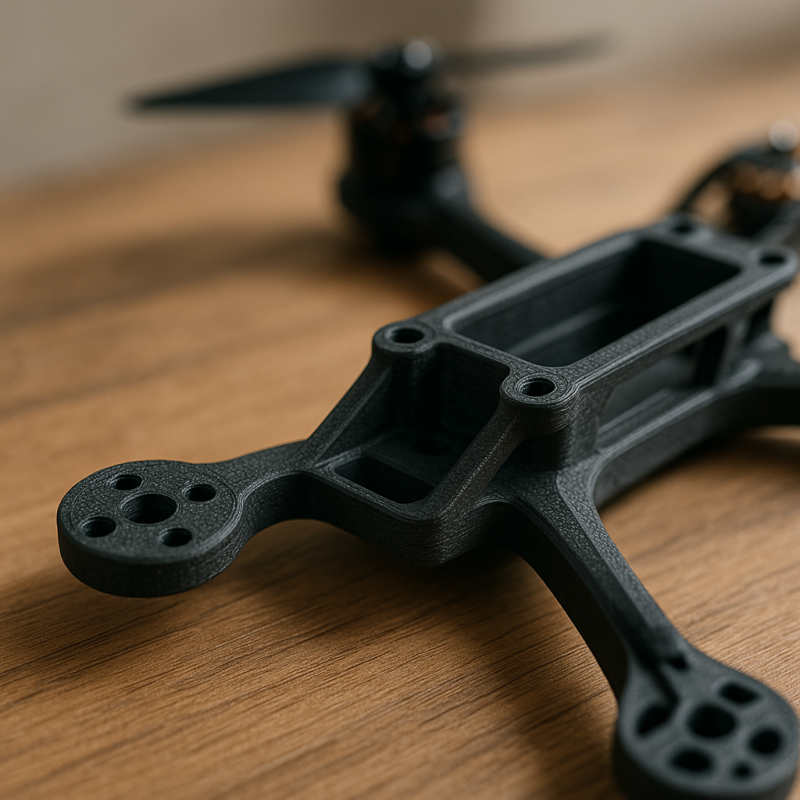
- Drone and RC Vehicle Frames: In these applications, rigidity is king. A stiff frame translates pilot inputs into precise movements and resists flexing during high-g maneuvers. CF-PETG provides the necessary stiffness to create a stable and responsive platform, while its dimensional accuracy ensures that all components, from motors to flight controllers, fit perfectly.
- Jigs, Fixtures, and Tooling: In a manufacturing or assembly environment, jigs and fixtures need to be strong, dimensionally stable, and reliable. CF-PETG is perfect for creating custom drill guides, soldering fixtures, or go/no-go gauges. Its resistance to oils and many workshop chemicals is an added bonus, and its printability allows for rapid iteration and deployment of new tools.
- Structural Brackets and Mounts: For mounting heavy objects to a wall, installing components within a larger assembly, or creating custom camera mounts, CF-PETG provides the rigidity to prevent sagging and vibration. Its low warping allows for the creation of large, flat mounting plates that remain perfectly true.
- Functional Prototypes: When a prototype needs to do more than just represent the final shape—when it needs to be tested for fit, form, and function—CF-PETG is an excellent choice. It allows designers to create strong, stiff prototypes that can withstand handling and basic mechanical testing, providing far more insight than a simple PLA model.
Prime Applications for Carbon Fiber Nylon (CF-Nylon)
The unparalleled toughness, high-temperature resistance, and durability of CF-Nylon open the door to some of the most demanding applications in FDM 3D printing.
- Gears, Bushings, and Living Hinges: Nylon’s low coefficient of friction and high wear resistance, combined with the strength of carbon fiber, make it an exceptional material for printing custom gears and self-lubricating bushings. Its toughness allows it to absorb the shock of gear teeth meshing and resist wear over millions of cycles.
- High-Impact Protective Components: For parts that are designed to take a hit, there is no substitute for CF-Nylon’s toughness. This includes protective shrouds for machinery, bumpers for robots, or casings for ruggedized electronics. It can absorb impact energy that would shatter a more brittle material.
- Under-the-Hood Automotive Parts: This is a classic application for CF-Nylon. It can withstand the high operating temperatures of an engine bay, and its excellent resistance to fuels, oils, and coolants allows it to survive in this harsh chemical environment. Examples include custom intake components, sensor brackets, or covers.
- Snap-Fit Enclosures and Clips: The inherent flexibility and toughness of Nylon make it ideal for parts that require repeated flexing, such as snap-fit closures. A CF-Nylon clip can be bent and un-clipped hundreds of times without fatiguing or breaking, whereas a CF-PETG version might snap after only a few cycles.
Case Study: Designing a Custom Drone Frame
Let’s imagine we are designing a frame for a high-performance racing drone. Our primary requirements are maximum stiffness to ensure responsive control, and high strength-to-weight ratio. The drone will experience crashes, but we prioritize flight performance over ultimate crash durability.
Our initial choice would be CF-PETG. Its superior stiffness (modulus) means the frame will not flex under the high torque of the motors, leading to sharper, more predictable handling. Its excellent dimensional accuracy ensures the motor mounts are perfectly aligned and the frame is symmetrical. While a severe crash might crack the frame, its rigidity provides the best possible performance during flight.
Now, let’s reconsider the design for a freestyle or cinematic drone. Here, the priority might shift slightly from absolute stiffness to durability. This drone will be performing complex acrobatic maneuvers and is more likely to experience frequent, less-severe impacts.
In this case, CF-Nylon becomes a very attractive option. While the frame might have slightly more flex than its CF-PETG counterpart, its vastly superior impact resistance means it is much more likely to survive a crash. A broken arm on a CF-PETG frame might mean the end of the day, whereas a CF-Nylon frame might just get scuffed. The operator might trade a small amount of flight precision for a dramatic increase in the drone’s survivability and a lower long-term cost in replacement parts.
This single application demonstrates the core of the CF-PETG vs CF-Nylon dilemma: it is a conscious choice between optimizing for rigidity and precision (CF-PETG) or for toughness and durability (CF-Nylon).
Frequently Asked Questions (FAQ)
Do I need a hardened nozzle for both CF-PETG and CF-Nylon?
Yes, absolutely. Both filaments are filled with chopped carbon fibers, which are extremely abrasive. A standard brass nozzle will be destroyed in a very short amount of time, leading to poor print quality and failure. A hardened steel, ruby, or tungsten carbide nozzle is mandatory for printing either material.
How much stronger is CF-Nylon than CF-PETG?
This question requires careful phrasing. CF-PETG is often “stiffer” (higher tensile modulus), meaning it resists bending better. CF-Nylon is “tougher” (higher impact strength), meaning it absorbs more energy before breaking. In terms of ultimate tensile strength (the maximum pull it can take), they can be quite comparable, with specific values depending on the brand and printing conditions. CF-Nylon is better at surviving impacts, while CF-PETG is better at holding its shape under a static load.
Can I anneal CF-PETG like I can with CF-Nylon?
Generally, no. Annealing (heat treating a part after printing) is a process that works best with semi-crystalline polymers like Nylon. It allows the polymer chains to further organize into a more crystalline structure, which can significantly increase the material’s stiffness, strength, and heat resistance. Since PETG is an amorphous polymer, annealing does not produce the same beneficial structural changes and can often just lead to warping and deformation.
Which material is better for outdoor use?
Both have pros and cons. PETG is known for its good UV resistance, and the black coloration of the carbon fiber also helps protect the polymer. CF-Nylon parts can be susceptible to UV degradation over long periods unless they contain specific UV-inhibiting additives. However, the biggest factor for outdoor use is often moisture. A CF-Nylon part will absorb moisture from rain and humidity, causing its mechanical properties to change (it will become tougher but less stiff). A CF-PETG part will remain dimensionally and mechanically stable regardless of the humidity. For applications requiring long-term stability in a wet environment, CF-PETG is often the safer choice.
Is CF-Nylon always better if it’s more expensive?
No. “Better” is entirely dependent on the application’s requirements. If you are printing a structural bracket where rigidity and dimensional accuracy are key, and the part will never exceed 75°C, CF-PETG is the “better” material. It will perform the job perfectly at a lower cost and with fewer printing headaches. CF-Nylon is only “better” when its specific advantages—high heat resistance and superior toughness—are a strict requirement for the part’s function.
How critical is filament drying for these materials?
For CF-PETG, it is good practice but not strictly critical for success in most environments. It absorbs moisture very slowly. For CF-Nylon, drying is absolutely, non-negotiably critical. Attempting to print CF-Nylon that has not been properly dried will result in a failed print with extremely poor mechanical properties and surface finish. You must use a dedicated filament dryer.
What is the typical percentage of carbon fiber in these filaments?
The carbon fiber content typically ranges from 15% to 30% by weight. A lower percentage (around 15-20%) results in a material that is easier to print and retains more of the base polymer’s toughness. A higher percentage (around 25-30%) results in a stiffer, more rigid, and more dimensionally stable part, but it can also be more brittle and more difficult to print. Most commercially available filaments fall within this range.
Conclusion
The deliberation between Carbon Fiber PETG and Carbon Fiber Nylon is not a simple matter of declaring one material superior to the other. Rather, it is an exercise in thoughtful engineering compromise, a process of aligning a material’s inherent character with the specific demands of a task. The choice embodies a fundamental trade-off that lies at the heart of material science: the tension between stiffness and toughness, between ease of use and ultimate performance.
CF-PETG stands as a testament to balance and accessibility. It offers a significant leap in stiffness, dimensional stability, and thermal performance over basic plastics, all while retaining a forgiving and reliable printing experience. It is the rational choice for a vast array of functional parts, jigs, and structural components where precision and rigidity are the guiding virtues. Its indifference to moisture makes it a dependable workhorse, delivering consistent results without demanding a complex and rigorous workflow.
CF-Nylon, in contrast, is the material of extremes. It demands more from the user and the hardware—more heat, more precision, and an unwavering commitment to moisture management. The reward for this diligence is access to a higher echelon of performance: a remarkable toughness that can withstand violent impacts and a thermal resilience that allows parts to function in environments where lesser materials would fail. It is the specialist’s choice for applications where survival is paramount, where the ability to bend without breaking and to endure heat and chemical exposure justifies the complexity of its use.
As we move forward in 2026, the capacity of 3D printing to produce true end-use parts is no longer in question. The critical skill is now the wisdom to select the right material for the job. By understanding the deep-seated differences between the rigid, stable nature of CF-PETG and the tough, resilient spirit of CF-Nylon, the modern engineer and designer are empowered to move beyond simple prototyping and create objects with purpose, durability, and true functional integrity.
References
- Kamaal, M., Anwar, S., Rashed, M. G., & Kumar, R. (2022). A comprehensive review on the scope of 3D printing in the automotive sector. International Journal on Interactive Design and Manufacturing (IJIDeM), 16(3), 1127–1150.
- Liao, G., Li, Z., Cheng, Y., Xu, D., Zhu, D., Jiang, S., Guo, J., Chen, X., Zhang, G., & Shi, Z. (2019). Properties of carbon fiber-reinforced nylon 12 composites fabricated by fused deposition modeling. Materials, 12(2), 292. https://doi.org/10.3390/ma12020292
- Parandoush, P., & Lin, D. (2017). A review on additive manufacturing of polymer-fiber composites. Composite Structures, 182, 36–53.
- Peng, F., Liu, C., Zou, B., & Wang, L. (2022). Effects of printing parameters on the mechanical properties of carbon fiber reinforced PETG composites fabricated by fused deposition modeling. Polymers, 14(19), 4165. https://doi.org/10.3390/polym14194165
- SigmaFilament. (2026). Wholesale PETG filament – Bulk supply for 3D printing. SigmaFilament.
- Spoerk, M., Gonzalez-Gutierrez, J., Sapkota, J., Schuschnigg, S., & Holzer, C. (2019). Effect of the printing orientation on the mechanical properties of carbon fibre-reinforced polylactide. Journal of Applied Polymer Science, 136(34), 47888. https://doi.org/10.1002/app.47888
- van de Werken, N., Tekinalp, H., Khanbolouki, P., Ozcan, S., Williams, A., & Tehrani, M. (2020). Additively manufactured carbon fiber-reinforced composites: State of the art and perspective. Additive Manufacturing, 31, 100962.
- Wickramasinghe, S., Do, T., & Tran, P. (2020). FDM-based 3D printing of polymer and associated composite: A review on mechanical properties, defects and treatments. Polymers, 12(7), 1529. https://doi.org/10.3390/polym12071529
Last reviewed and updated: April 2026. Author: SigmaFilament Engineering Team. For custom filament solutions and wholesale inquiries, contact our team.