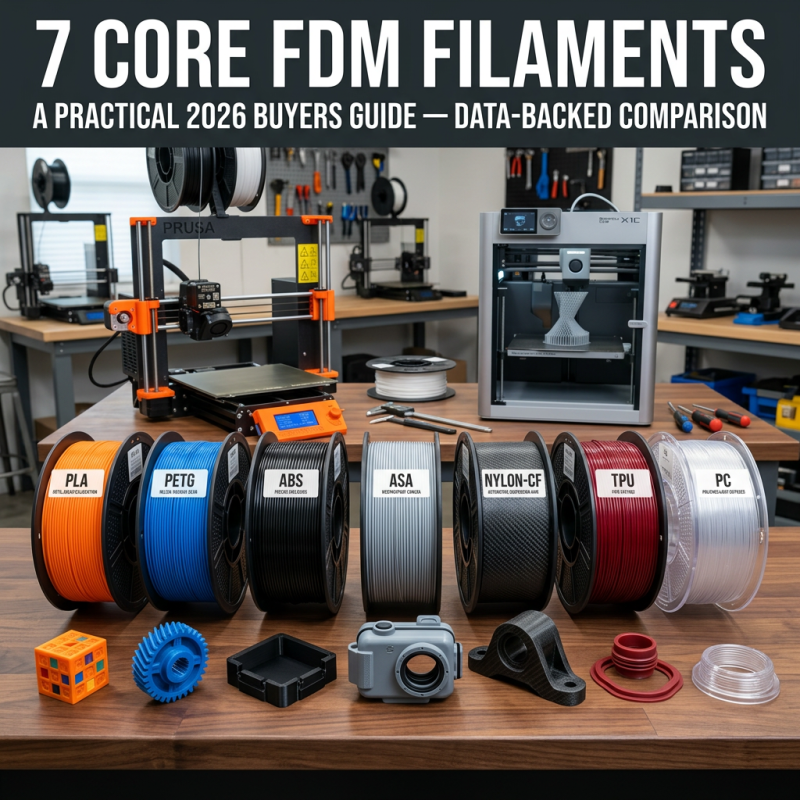
A Practical 2026 Buyer’s Guide to All Categories of 3D Printing Filaments: 7 Key Material Types

Abstract
This comprehensive guide examines the diverse landscape of materials available for Fused Deposition Modeling (FDM) 3D printing in 2026. It provides a systematic analysis of all categories of 3D printing filaments, moving beyond a superficial listing to offer a deep, pedagogical exploration of their underlying chemical properties, mechanical behaviors, and practical applications. The discourse is structured into seven distinct classifications: standard thermoplastics, engineering thermoplastics, flexible filaments, composites, high-performance polymers, support materials, and aesthetic specialties. For each category, the text elucidates the specific attributes of constituent materials like PLA, PETG, ABS, ASA, Nylon, TPU, PC, PEEK, and various fiber-reinforced composites. It details the requisite printing parameters, addresses common challenges such as warping and adhesion, and contextualizes material selection within the broader goals of a project, whether for rapid prototyping, functional end-use parts, or artistic expression. The objective is to equip both novice makers and industrial professionals with the nuanced understanding necessary to navigate the material selection process with confidence and precision.
Key Takeaways
- Standard filaments like PLA and PETG are excellent for beginners and general-purpose prints.
- Engineering materials such as ABS, ASA, and Nylon offer superior strength and thermal resistance.
- Flexible filaments like TPU are designed for parts that need to bend and absorb impact.
- Composite filaments are reinforced with fibers for metal-like strength and rigidity.
- Support materials are dissolvable filaments that enable highly complex geometries.
- Choosing from all categories of 3D printing filaments depends on the part’s final application.
- Proper storage and specific print settings are vital for successful outcomes with any filament.
Table of Contents
- The Foundational Nature of Material Choice in Additive Manufacturing
- Category 1: Standard Thermoplastics—The Workhorses of 3D Printing
- Category 2: Engineering Thermoplastics—Durability for Functional Applications
- Category 3: Flexible Filaments—Printing with Elasticity and Resilience
- Category 4: Composite and Reinforced Filaments—Achieving Unprecedented Strength
- Category 5: High-Performance Polymers—Materials for Extreme Environments
- Category 6: Support Materials—The Unseen Architects of Complex Geometries
- Category 7: Aesthetic and Specialty Filaments—Printing for Visual Impact
- Frequently Asked Questions (FAQ)
- A Concluding Reflection on Material Mastery
- References
The Foundational Nature of Material Choice in Additive Manufacturing
To engage with the practice of 3D printing is to engage with the fundamental act of creation. We are not merely commanding a machine to trace a path in space; we are choosing a specific substance from which our ideas will spring into tangible reality. The material is not an afterthought. It is the very essence of the object, defining its strength, its feel, its resilience, and its place in the world. A failure to appreciate the profound differences between these materials is a primary source of frustration for many who enter this field. An object designed for mechanical stress but printed in a brittle polymer will inevitably fail, not because the design was flawed or the printer inaccurate, but because the soul of the object—its material composition—was mismatched with its intended purpose.
This guide is conceived as a pedagogical journey through all categories of 3D printing filaments. It seeks to cultivate a deeper form of understanding, one rooted not in rote memorization of acronyms and temperatures, but in an empathetic grasp of each material’s personality. Think of filaments as a palette of character traits. One is agreeable and easy to work with, another is stubborn and demanding but rewards you with incredible fortitude. One is flexible and forgiving, another is rigid and unyielding. Our task as creators is to become astute judges of character, to learn which material is best suited for the role we have envisioned.
We will explore the science behind these polymers, but always in service of a practical goal: to empower you to make informed, confident decisions. We will break down complex concepts into understandable parts, using analogies and real-world examples to build a scaffold of knowledge. The journey begins with the most common materials and progressively moves toward the more exotic and specialized, ensuring a logical and accessible progression. By the end, the vast spectrum of available filaments should feel less like a bewildering catalog and more like a toolkit of possibilities, each with a distinct and valuable role to play in the realization of your creative and engineering ambitions.
Category 1: Standard Thermoplastics—The Workhorses of 3D Printing
The world of 3D printing filaments is vast, yet a significant portion of all prints are created using just a handful of foundational materials. These are the standard thermoplastics, the reliable workhorses of the industry. Their popularity stems from a combination of accessibility, ease of use, and a balanced profile of properties that makes them suitable for a wide range of applications. For anyone beginning their journey in additive manufacturing, mastering these materials is the first and most important step. They provide a forgiving platform for learning the nuances of printing, from bed adhesion to temperature calibration, without the added complexities of more demanding engineering-grade polymers. The two titans in this category are Polylactic Acid (PLA) and Polyethylene Terephthalate Glycol (PETG).
Polylactic Acid (PLA): The People’s Filament
Polylactic Acid, or PLA, is arguably the most popular 3D printing filament, and for good reason. Its appeal lies in its remarkable ease of use, which lowers the barrier to entry for hobbyists, students, and professionals alike. The experience of printing with PLA is one of cooperation rather than conflict. It flows smoothly, adheres well to a variety of build surfaces, and exhibits minimal warping as it cools. This forgiving nature is a direct result of its material science. PLA has a relatively low glass transition temperature (around 60°C) and melting point (around 180-220°C). This means it doesn’t require the high temperatures that can introduce thermal stress into a print, which is the primary cause of warping and lifting at the corners of a model (All3DP, 2023).
Its chemical origins also contribute to its popularity. PLA is a biodegradable polyester derived from renewable resources like corn starch or sugarcane. While it is only compostable under industrial conditions, its plant-based origin offers a comforting narrative in an industry dominated by petroleum-based plastics. When printing, it emits a faintly sweet, non-toxic odor, a stark contrast to the acrid fumes of other materials, making it a preferred choice for use in homes, offices, and schools without specialized ventilation.
However, the very properties that make PLA easy to print also define its limitations. Its low glass transition temperature means that a PLA object left in a hot car on a summer day can deform and lose its shape. It is also relatively brittle compared to other thermoplastics. While it possesses good tensile strength and rigidity, it tends to fracture under sudden impact rather than bending. This makes it an excellent material for visual prototypes, decorative objects, and low-stress functional parts, but a poor choice for components that need to withstand heat, impact, or sustained mechanical load.
Polyethylene Terephthalate Glycol (PETG): The Best of Both Worlds
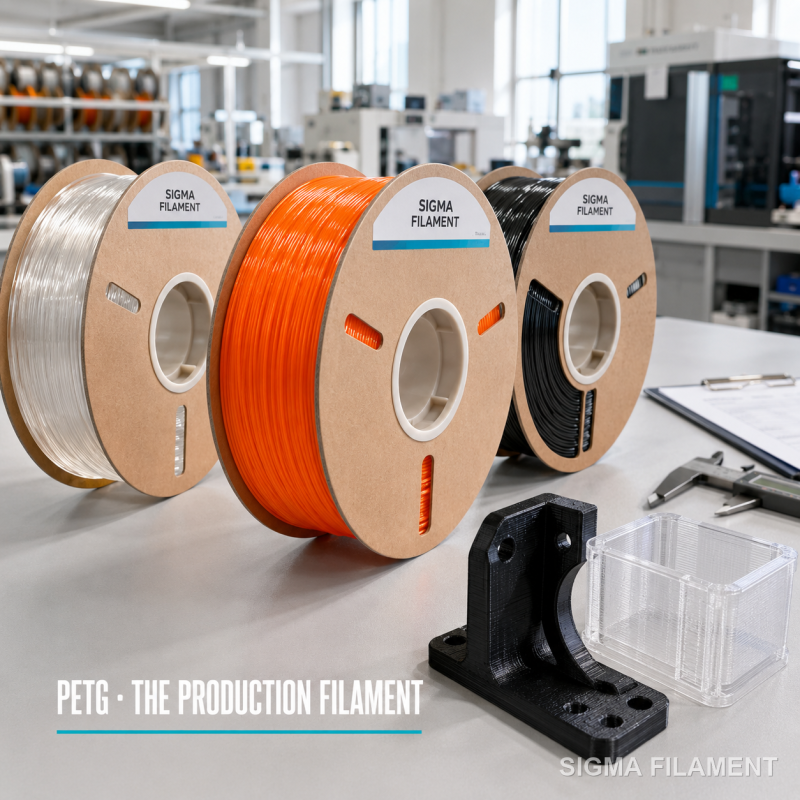
If PLA is the friendly beginner’s material, PETG is the versatile and robust sibling. It offers a compelling blend of PLA’s ease of printing with the superior strength and durability often associated with more challenging materials like ABS. PETG is a modification of PET, the same polymer used to make water bottles. The addition of glycol (the ‘G’ in PETG) prevents the material from crystallizing and becoming brittle during heating, resulting in a filament that is both strong and slightly flexible.
PETG’s property profile is exceptionally well-rounded. It demonstrates excellent layer adhesion, which contributes to parts that are not only strong but also more watertight than those made from other materials. It has significantly better thermal resistance than PLA, with a glass transition temperature around 80°C, making it suitable for parts that may be exposed to moderate heat. Furthermore, it offers excellent impact resistance and chemical stability (Xometry, 2023). It can withstand impacts that would shatter a PLA part, making it a go-to choice for functional components like printer parts, protective casings, and mechanical assemblies.
Printing with PETG does introduce a few more variables than PLA. It requires slightly higher printing temperatures (around 220-250°C) and is more prone to “stringing” or “oozing,” where fine threads of plastic are left behind as the nozzle travels between different points of the model. This can typically be managed by fine-tuning retraction settings and printing temperature. It also absorbs moisture from the atmosphere more readily than PLA, a property known as hygroscopicity. A wet spool of PETG will print with pops, crackles, and bubbles, resulting in a weak, ugly part. Therefore, proper dry storage is essential for achieving good results. Despite these minor challenges, PETG’s combination of strength, temperature resistance, and relative ease of use makes it one of the most versatile and valuable materials in a printer’s arsenal.
Comparative Analysis of Standard Thermoplastics
To better visualize the trade-offs between these common materials, a direct comparison is useful. The table below outlines the key characteristics of PLA and PETG, along with ABS, which we will discuss in the next section. This allows for a more structured decision-making process when selecting a material for a specific project.
| Feature | Polylactic Acid (PLA) | Polyethylene Terephthalate Glycol (PETG) | Acrylonitrile Butadiene Styrene (ABS) |
|---|---|---|---|
| Ease of Use | Very High (Forgiving, minimal warping) | High (Some stringing, requires tuning) | Medium (Prone to warping, needs enclosure) |
| Strength & Durability | Low (Rigid but brittle) | High (Strong and impact-resistant) | Very High (Very tough and durable) |
| Temperature Resistance | Low (Deforms ~60°C) | Medium (Deforms ~80°C) | High (Deforms ~100°C) |
| UV Resistance | Poor (Becomes brittle with sun exposure) | Good | Poor (Yellows and becomes brittle) |
| Fumes & Odor | Minimal, non-toxic, slightly sweet odor | Minimal, odorless | Strong, potentially harmful fumes (styrene) |
| Bed Adhesion | Excellent on most surfaces, heated bed optional | Good, requires heated bed (70-85°C) | Difficult, requires heated bed (90-110°C) |
| Common Applications | Prototypes, models, low-stress parts | Functional parts, mechanical components, casings | Automotive parts, enclosures, high-impact items |
This table serves as a mental model for navigating the most common choices. Do you need a quick, detailed visual model? PLA is your ally. Do you need a functional bracket that can withstand some abuse and moderate heat? PETG is the logical choice. The selection process is a dialogue between the demands of the application and the inherent character of the material.
Category 2: Engineering Thermoplastics—Durability for Functional Applications
While standard thermoplastics are the foundation of desktop 3D printing, the field’s true potential is realized when we move into the realm of engineering thermoplastics. These materials are defined by their superior mechanical and thermal properties, designed not just for form but for function under stress. They are the materials used to create durable goods, from the dashboard of a car to the casing of a power tool. Printing with them is often more demanding, requiring higher temperatures, controlled environments, and a deeper understanding of material science. However, the reward is the ability to produce parts with performance characteristics that rival those made through traditional manufacturing methods like injection molding. The primary players in this category are Acrylonitrile Butadiene Styrene (ABS), Acrylonitrile Styrene Acrylate (ASA), and Nylon (Polyamide).
Acrylonitrile Butadiene Styrene (ABS): The Industrial Predecessor
For many years before PLA’s rise to prominence, ABS was the dominant filament in the hobbyist 3D printing community, having been one of the first plastics adapted for FDM technology. Its legacy comes from its widespread use in industrial applications; the ubiquitous LEGO brick, for example, is made from ABS. Its reputation is built on toughness. ABS is a terpolymer, meaning it is composed of three different monomers: acrylonitrile, butadiene, and styrene. Each contributes a key property: acrylonitrile provides chemical resistance and thermal stability, butadiene imparts toughness and impact strength, and styrene gives the material a rigid structure and a glossy finish.
The result is a material that is significantly more durable and heat-resistant than PLA or PETG. With a glass transition temperature of around 100°C, ABS parts can function in much hotter environments without deforming (Xometry, 2023). They can be dropped, struck, and stressed without fracturing, making ABS an ideal choice for functional prototypes, automotive interior components, protective housings, and any part that requires high impact resistance. Another significant advantage of ABS is its post-processing potential. It is soluble in acetone, which allows for a process called acetone vapor smoothing. Exposing an ABS print to acetone vapor melts the outer surface, smoothing out the layer lines to create a glossy, injection-molded appearance. This process can also strengthen the part by improving the bonding between layers.
However, printing with ABS presents considerable challenges. It is notoriously prone to warping. As the material cools from its high extrusion temperature (230-260°C), it shrinks significantly. This thermal stress causes the corners of the print to lift off the build plate, ruining the part. To combat this, a heated build plate set to a high temperature (90-110°C) is mandatory. More importantly, a heated, enclosed build chamber is highly recommended to maintain a stable, elevated ambient temperature around the print, which reduces the thermal gradient and minimizes warping. Furthermore, the styrene in ABS releases potentially harmful fumes with a strong, unpleasant odor during printing. Adequate ventilation is not just a suggestion but a safety requirement when working with ABS. These difficulties have led many to seek alternatives, but for applications demanding its specific combination of toughness, temperature resistance, and post-processing options, ABS remains a relevant and powerful engineering material.
Acrylonitrile Styrene Acrylate (ASA): The Outdoor-Ready Successor to ABS
ASA can be thought of as the modern, improved cousin of ABS. Chemically, it is very similar, but it replaces the butadiene component with an acrylate elastomer. This seemingly small change has a profound impact on the material’s performance, particularly its weather resistance. The primary weakness of ABS, aside from its printing difficulty, is its poor resistance to ultraviolet (UV) radiation from sunlight. When exposed to the sun, ABS parts quickly yellow and become brittle. ASA, on the other hand, is exceptionally UV-stable and weather-resistant. It retains its color and mechanical properties even after prolonged outdoor exposure, making it the superior choice for any application intended for outdoor use.
ASA delivers superior UV resistance and weatherability compared to ABS, so it outperforms ABS in outdoor applications (Xometry, 2023). This makes it ideal for creating parts like garden equipment, custom automotive exterior components (such as mirror housings or grilles), electrical boxes, and outdoor signage. In terms of mechanical properties, ASA is very similar to ABS, offering high impact strength, rigidity, and good thermal resistance. It shares the same high glass transition temperature of around 100°C.
The printing experience with ASA is also very similar to that of ABS, including the challenges. It requires high extrusion and bed temperatures and is susceptible to warping, necessitating a heated enclosure for reliable results on larger prints. It also emits potentially dangerous fumes during printing because it contains styrene, so proper ventilation remains a critical safety consideration (Simplify3D, 2019). However, some users report that ASA may warp slightly less than ABS, making it marginally easier to work with. For any project that requires the strength and temperature resistance of ABS but will be exposed to the elements, ASA is the clear and superior choice. Its development represents a thoughtful evolution in material science, directly addressing a known weakness in a widely used polymer to expand its range of viable applications.
Nylon (Polyamide): The Champion of Toughness and Low Friction
Nylon is not a single material but a family of polymers known as polyamides (PA). The most common variants used in 3D printing are PA6 and PA12. When you need a part that is exceptionally tough, durable, and resistant to wear, Nylon is often the answer. Its defining characteristic is an unparalleled combination of strength and flexibility, coupled with a low coefficient of friction. Unlike rigid plastics that fracture under stress, Nylon can bend and deflect before returning to its original shape. This makes it incredibly resistant to fatigue and repeated loading.
This unique property profile makes Nylon the premier choice for creating functional mechanical parts like gears, living hinges, jigs, fixtures, and other components that experience friction and wear (Wikipedia, 2024). Its self-lubricating nature means that parts printed in Nylon can move against each other with minimal resistance and wear over time. Imagine printing a custom set of gears for a robotics project; Nylon’s durability and low friction would ensure they operate smoothly and last for thousands of cycles.
The trade-off for these remarkable properties is a printing process that demands care and preparation. Nylon is one of the most hygroscopic filaments on the market, meaning it absorbs moisture from the air with extreme prejudice. A spool of Nylon left out for even a few hours can absorb enough water to ruin a print. Wet Nylon will print with steam and bubbles, resulting in a dramatic loss of layer adhesion and part strength. It is absolutely essential to dry Nylon filament in a specialized dryer or oven before printing and to store it in a sealed, desiccated container. Printing itself requires high nozzle temperatures (240-270°C) and a heated bed. While it doesn’t warp as aggressively as ABS, it can have issues with bed adhesion. Using a specialized bed adhesive like a PVA glue stick or a purpose-made surface like Garolite is often necessary to ensure the first layer sticks properly. Despite these hurdles, mastering Nylon printing unlocks the ability to create truly robust, long-lasting functional parts that are simply not possible with standard thermoplastics. The ability to source such materials from an ISO-certified 3D printing filament manufacturer ensures that the raw material’s quality is consistent, which is paramount when dealing with sensitive engineering polymers.
Category 3: Flexible Filaments—Printing with Elasticity and Resilience
The world of 3D printing is often associated with hard, rigid objects. However, a fascinating and highly functional category of materials allows us to create parts that are soft, elastic, and rubber-like. These are the flexible filaments, formally known as thermoplastic elastomers (TPEs). They bridge the gap between rigid plastics and conventional rubber, enabling the creation of objects that can bend, stretch, compress, and absorb impacts. From custom phone cases and wearable gadgets to vibration dampeners and flexible seals, these materials open up a new dimension of functional printing. The most common type of TPE used in 3D printing is Thermoplastic Polyurethane (TPU).
Understanding TPEs and the Shore Hardness Scale
Before diving into specific materials, it’s helpful to understand the broader family of Thermoplastic Elastomers (TPEs). TPE is a general classification for a range of polymers that exhibit elastomeric (rubber-like) properties but are processed like thermoplastics. This means they can be melted and reformed, making them suitable for FDM 3D printing. TPU is a specific subtype of TPE, but the terms are often used interchangeably in the 3D printing community, with TPU being the most prevalent variant.
The key characteristic that defines a flexible filament is its hardness, which is measured using the Shore hardness scale. This scale quantifies the resistance of a material to indentation. You will typically see flexible filaments rated on the Shore A scale, with lower numbers indicating a softer, more flexible material. For context, a rubber band might have a Shore hardness of 25A, a car tire tread is around 70A, and a hard skateboard wheel is around 95A to 98A (Xometry, 2023). Most 3D printing TPUs fall within the 85A to 98A range. A 95A TPU will feel like a firm but flexible plastic, while an 85A TPU will be significantly softer and more rubbery. This rating is the single most important factor to consider when choosing a flexible filament, as it directly dictates the feel and performance of the final part.
Thermoplastic Polyurethane (TPU): The Go-To Flexible Filament
TPU is the star of the flexible filament world due to its excellent combination of flexibility, durability, and printability. It is known for its high resistance to abrasion, oil, and grease. A part printed in TPU can be bent and stretched repeatedly without breaking, and it will withstand significant wear and tear. This makes it an ideal material for a huge variety of applications.
Consider the possibilities: a custom-fit, shock-absorbing phone case; a flexible watch band tailored to your wrist; soft, non-marring feet for an appliance to prevent it from scratching a surface; a vibration-damping mount for a camera or motor; a flexible gasket or seal for a container. These are all applications where TPU excels. Its ability to absorb impact is particularly valuable. A drone landing gear printed in TPU can cushion a hard landing, protecting the more fragile components of the aircraft.
Printing with TPU, however, requires a different approach than printing with rigid filaments. The material’s flexibility makes it prone to kinking and buckling in the filament path between the extruder gear and the hotend. This is especially a problem on printers with a “Bowden” extruder setup, where the extruder is mounted on the frame and the filament travels through a long PTFE tube to the hotend. For this reason, “Direct Drive” extruders, where the extruder gears are mounted directly on top of the hotend, are strongly recommended for printing flexible filaments. A direct drive system provides a much shorter and more constrained filament path, giving the flexible filament no room to buckle.
Even with a direct drive extruder, printing TPU requires specific settings. Print speeds must be significantly reduced (typically to 20-40 mm/s) to avoid putting too much pressure on the filament. Retraction settings often need to be disabled or greatly reduced, as rapidly pulling the soft filament back and forth can cause jams. It also requires good bed adhesion, with a heated bed set to around 50-60°C. While these adjustments may seem daunting, the process is quite manageable once the principles are understood. The ability to print parts with rubber-like qualities is a powerful addition to any maker’s skillset, transforming the printer from a machine that only makes hard objects into one that can create soft, interactive, and resilient ones.
Category 4: Composite and Reinforced Filaments—Achieving Unprecedented Strength
For applications that demand the absolute highest performance in terms of strength, stiffness, and dimensional stability, we turn to composite filaments. These are advanced materials that take a base thermoplastic—such as PLA, PETG, Nylon, or ABS—and infuse it with short, chopped fibers of a much stronger material. The result is a synergistic composite that exhibits properties far superior to the base polymer alone. It’s analogous to how steel rebar reinforces concrete; the fibers act as a microscopic skeleton within the plastic matrix, drastically increasing its mechanical performance. The most common reinforcement materials are carbon fiber, glass fiber, and occasionally aramid (Kevlar).
Carbon Fiber Reinforced Filaments: The Pinnacle of Stiffness and Strength
When a part needs to be exceptionally stiff, strong, and lightweight, carbon fiber (CF) reinforced filament is the ultimate choice. These filaments typically consist of a base polymer like Nylon, PETG, or Polycarbonate (PC) filled with small, chopped carbon fibers (usually 5-20% by weight). The carbon fibers themselves are incredibly strong and stiff for their weight. When suspended within the thermoplastic matrix, they act as load-bearing elements, preventing the plastic from flexing under stress.
The result is a printed part with a significant increase in flexural modulus (stiffness) and tensile strength compared to its unfilled counterpart. A part printed in carbon fiber reinforced Nylon (PA-CF), for example, will be dramatically stiffer and stronger than one printed in standard Nylon. This makes CF-reinforced filaments ideal for high-performance engineering applications: lightweight drone frames, robotic arms, automotive brackets, manufacturing jigs and fixtures, and any functional part where maximum stiffness and minimal weight are critical design goals.
In addition to their mechanical benefits, carbon fiber filaments offer excellent dimensional stability. The fibers help to control the thermal expansion and contraction of the base polymer, leading to less warping and greater print accuracy. They also produce a beautiful matte black finish that does an excellent job of hiding layer lines, resulting in parts that look incredibly professional right off the printer.
The primary challenge when printing with these materials is their extreme abrasiveness. Carbon fibers are much harder than the brass or aluminum used in standard 3D printer nozzles. A standard brass nozzle can be worn out and destroyed in just a few hundred grams of printing with a CF-reinforced filament. A worn nozzle will have an oversized opening, leading to severe under-extrusion and print failure. Therefore, using a wear-resistant nozzle made from hardened steel, ruby, or tungsten carbide is absolutely mandatory when working with any composite filament. Due to their enhanced stiffness, these filaments also require a well-calibrated extruder and a clean, constrained filament path to prevent snapping.
Glass and Aramid (Kevlar) Reinforced Filaments
While carbon fiber is the most common reinforcement, other fibers are used to achieve different properties. Glass fiber (GF) reinforced filaments are the other common option: alongside chopped carbon fiber, fiberglass is one of the standard additives mixed into a thermoplastic to raise its strength and stiffness (O’Neill, 2023). Glass-filled parts don’t typically achieve the same level of stiffness as carbon fiber ones, but they still offer a substantial improvement over the base polymer and often have better impact resistance.
Aramid fibers, most famously known by the brand name Kevlar, are used to create filaments with exceptional impact and abrasion resistance. An ABS-Kevlar composite, for instance, results in a part that is incredibly tough and resistant to wear and friction. The aramid fibers add a level of durability and fatigue resistance that makes these materials suitable for parts that experience repeated impacts or abrasive forces.
The growth of these materials showcases the maturation of the 3D printing industry. The ability to create custom material formulations, such as those involving custom filament R&D, allows for the development of highly specialized polymers tailored to specific industrial needs, from flame retardancy to electrostatic discharge (ESD) safety. This evolution pushes desktop 3D printing from a prototyping tool into a viable method for producing end-use parts for demanding environments.
Comparative Analysis of Engineering and Composite Filaments
The following table provides a high-level comparison of several engineering and composite materials to help clarify their relative strengths and ideal use cases.
| Feature | ABS (Acrylonitrile Butadiene Styrene) | ASA (Acrylonitrile Styrene Acrylate) | Nylon (Polyamide) | PA-CF (Carbon Fiber Nylon) |
|---|---|---|---|---|
| Primary Advantage | Toughness, Post-processability | Weather/UV Resistance | Extreme Toughness, Low Friction | Extreme Stiffness, Strength-to-Weight |
| Stiffness | High | High | Medium (Flexible) | Extremely High |
| Impact Resistance | Very High | Very High | Excellent | Good (More brittle than unfilled Nylon) |
| Temperature Resistance | High (~100°C) | High (~100°C) | High (~120°C+) | Very High (~150°C+) |
| Printing Difficulty | High (Warping, Fumes, Enclosure) | High (Warping, Fumes, Enclosure) | High (Hygroscopic, Bed Adhesion) | Very High (Abrasive, Hygroscopic) |
| Special Requirement | Heated Enclosure | Heated Enclosure | Filament Dryer | Hardened Nozzle, Filament Dryer |
| Ideal Applications | Functional Prototypes, Enclosures | Outdoor Parts, Automotive Exteriors | Gears, Bearings, Living Hinges | Drone Frames, Jigs, Lightweight Parts |
This comparison illustrates a clear progression. ABS and ASA provide general durability. Nylon offers unparalleled toughness for mechanical wear parts. And carbon fiber reinforced Nylon elevates the performance to a new level of stiffness and strength, enabling applications that were previously the exclusive domain of machined metal.
Category 5: High-Performance Polymers—Materials for Extreme Environments
Beyond engineering thermoplastics lies a category of materials known as high-performance polymers. These are the elite, the exotics of the filament world, designed to function in the most demanding environments imaginable. They are characterized by extraordinary thermal resistance, chemical inertness, and mechanical strength that far exceed those of conventional plastics. Printing with these materials is the pinnacle of FDM technology, requiring specialized, high-temperature industrial printers and a deep level of process control. While not typically used by hobbyists, their availability for additive manufacturing is transforming industries like aerospace, automotive, and medical, allowing for the on-demand creation of parts that can withstand extreme heat, harsh chemicals, and intense mechanical stress. The most notable materials in this class are Polycarbonate (PC), PEEK, and PEI (Ultem).
Polycarbonate (PC): The Bridge to High Performance
Polycarbonate is often considered a transitional material, bridging the gap between engineering thermoplastics like ABS and true high-performance polymers like PEEK. It is an incredibly strong and impact-resistant material, famous for its use in applications like bulletproof glass and riot shields. It possesses an optical clarity that is unique among strong 3D printing filaments, although prints are typically translucent rather than truly transparent.
The defining feature of PC is its high temperature resistance. With a glass transition temperature of about 147°C, it can withstand significantly more heat than ABS or ASA, making it suitable for applications that involve proximity to hot components or sterilization processes (Wikipedia, n.d.). Its immense strength and impact resistance make it a prime candidate for producing robust functional prototypes, protective gear, and mechanical parts subjected to high stress.
However, PC is a notoriously difficult material to print. It requires extremely high nozzle temperatures (260-310°C) and a bed temperature of 110°C or higher. More than any other material discussed so far, PC demands a heated build chamber capable of maintaining an ambient temperature of over 100°C. Without this, the material will warp so severely that printing anything larger than a tiny object becomes impossible. It is also highly hygroscopic and must be meticulously dried before printing. For those with the right equipment, PC offers a level of performance that engineering plastics cannot match, particularly in its combination of strength, heat resistance, and potential for translucency.
PEEK and PEI (Ultem): The Apex Predators of Polymers
PEEK (Polyether Ether Ketone) and PEI (Polyetherimide), often known by the brand name Ultem, represent the apex of what is possible with polymer 3D printing. These materials are in a class of their own, with properties that begin to rival those of metals like aluminum.
PEEK is a semi-crystalline thermoplastic with exceptional mechanical and chemical resistance properties that are retained at high temperatures. It has a melting point of over 340°C and can be used continuously at temperatures up to 250°C. It is incredibly resistant to a wide range of chemicals, including aggressive solvents and corrosive agents. Its combination of strength, stiffness, and biocompatibility makes it a material of choice in the medical field for creating custom surgical implants and in the aerospace industry for lightweight structural components that must endure extreme conditions.
PEI (Ultem) is an amorphous thermoplastic with similar high-performance characteristics. It boasts high strength and rigidity, excellent thermal stability with a glass transition temperature over 215°C, and broad chemical resistance. It is also inherently flame-retardant and produces very little smoke when burned, a critical property for aerospace and automotive interior applications. Metal-polymer composites that need debinding and sintering push performance further still, but PEEK and PEI offer direct polymer-to-part solutions for high-temperature needs.
Printing these materials is exclusively the domain of industrial 3D printers. They require nozzle temperatures in the range of 350-450°C, bed temperatures of 120-160°C, and actively heated build chambers that can reach 180°C or higher. The hardware and process control required are far beyond the capabilities of standard desktop machines. However, the ability to 3D print parts in PEEK or PEI is a game-changer for specialized industries, enabling rapid iteration and the creation of complex geometries with materials that were once only processable through expensive molding or machining operations.
Category 6: Support Materials—The Unseen Architects of Complex Geometries
In 3D printing, the law of gravity is an unavoidable constraint. A printer cannot deposit molten plastic into thin air. Any part of a model that overhangs at a steep angle or bridges a long gap requires a temporary scaffold to be built beneath it. This scaffold is known as support material. For simple designs, this support can be printed using the same material as the model itself and then manually broken away after the print is finished. However, this process can be difficult, time-consuming, and often leaves behind blemishes on the surface of the part.
A far more elegant solution, especially for models with intricate geometries or internal cavities, is to use a dedicated, dissolvable support material. This is made possible by printers equipped with dual extruders, which can print the main model with one material and the support structures with another. Once the print is complete, the entire object is submerged in a liquid (usually water), which dissolves the support material completely, leaving behind a perfectly clean and complex part. This technique liberates the designer from many of the constraints of single-extruder printing, enabling geometries that would otherwise be impossible to produce. The most common dissolvable support materials are PVA and HIPS.
Polyvinyl Alcohol (PVA): The Water-Soluble Solution
PVA is the most widely used dissolvable support material, primarily because its solvent is plain tap water. It is most often paired with PLA, as the two materials have similar printing temperature requirements. The process is straightforward: a dual extruder printer builds the model out of PLA and simultaneously constructs any necessary supports out of PVA. After printing, the object is placed in a container of warm water. Over the course of a few hours, the PVA structures soften and dissolve away, leaving only the pristine PLA model. Agitating the water or using an ultrasonic cleaner can significantly speed up the dissolution process.
The freedom this provides is immense. Imagine printing a complex object like a model of a ship inside a bottle, or an intricate mechanical assembly with interlocking parts printed in place. With PVA supports, these designs become not only possible but relatively easy to execute.
However, PVA is not without its challenges. It is extremely hygroscopic, even more so than Nylon. A spool of PVA can be ruined by just a few hours of exposure to ambient humidity. It must be dried before use and stored in a sealed, dry environment at all times. It is also quite expensive compared to standard printing materials. Furthermore, its printing characteristics can be finicky, and it is prone to oozing and jamming if not handled correctly. Its incompatibility with high-temperature materials like ABS or PC (due to different printing temperature ranges) limits its use primarily to PLA and some PETG co-printing.
High Impact Polystyrene (HIPS): The Limonene-Soluble Partner for ABS
For printing with higher-temperature materials like ABS, a different soluble support is needed. HIPS is the traditional choice for this role. It is a lightweight plastic with printing properties very similar to ABS, making them excellent printing partners. They adhere well to each other and have similar temperature requirements.
The key difference is that HIPS is not soluble in water. Instead, it dissolves in a citrus-based solvent called d-Limonene. After printing a part in ABS with HIPS supports, the object is submerged in a bath of Limonene. Over several hours, the HIPS will dissolve, leaving the ABS part clean.
The use of HIPS has declined in recent years for several reasons. D-Limonene is a more aggressive and expensive solvent than water, and it can be messy to work with. The process requires a dedicated, well-ventilated area. Moreover, HIPS itself can be a tricky material to print, sharing ABS’s tendency to warp. Water-soluble support materials such as BVOH (Butenediol Vinyl Alcohol Copolymer) offer another option. Nonetheless, HIPS remains a viable option for those who frequently print with ABS and require complex, soluble supports.
The existence of these support materials highlights a crucial aspect of advanced 3D printing: it is often a multi-material process. The ability to combine the properties of different polymers within a single print—one for structure, one for support—is what elevates the technology from simple object creation to complex, high-fidelity fabrication. It underscores the importance of a holistic understanding of all categories of 3D printing filaments, as the best solution often involves a thoughtful pairing of materials.
Category 7: Aesthetic and Specialty Filaments—Printing for Visual Impact
While much of our discussion has focused on the mechanical and functional properties of filaments, a significant and exciting category of materials is dedicated almost entirely to aesthetics. These filaments are designed to create objects with a unique visual or tactile appeal, mimicking materials like wood, stone, or metal, or exhibiting special properties like glowing in the dark or changing color with temperature. They allow creators to produce parts that are not just functional but also beautiful and expressive. These materials often use a standard polymer like PLA as a base and incorporate additives to achieve their special effects.
Wood-Filled Filaments: The Carpenter’s Plastic
Wood-filled filaments are typically composed of a PLA base mixed with very fine wood dust or cork powder (often 20-30% by weight). The result is a filament that produces parts with the look, feel, and even the smell of real wood. After printing, these parts can be treated much like actual wood; they can be sanded, stained, and varnished to achieve a convincing, rustic finish. The color of the printed part can even be altered slightly by varying the extrusion temperature during the print, with higher temperatures producing a darker, more “toasted” appearance.
These filaments are perfect for creating decorative objects, architectural models, and artistic pieces where the warmth and texture of wood are desired. Printing with wood-filled PLA is generally similar to printing with standard PLA, but the wood particles make the filament somewhat abrasive. While not as destructive as carbon fiber, prolonged use can still cause wear on a standard brass nozzle, so a hardened steel nozzle is a good precaution. The wood particles can also increase the risk of clogging, so using a slightly larger nozzle diameter (0.5mm or 0.6mm instead of the standard 0.4mm) is often recommended.
Metal-Filled Filaments: The Alchemist’s Spool
Metal-filled filaments offer a way to create parts with the look and feel of real metal. These are composite materials that combine a polymer base (usually PLA) with a high percentage of fine metal powder, such as bronze, copper, brass, iron, or stainless steel. The resulting parts are significantly heavier than standard plastic prints, giving them a satisfying heft and a cold touch that mimics solid metal.
The true magic of these filaments is revealed in post-processing. A freshly printed part will often have a dull, matte finish. However, by sanding, polishing, and buffing the part, the embedded metal particles on the surface are exposed and can be shined to a brilliant metallic luster. For filaments containing iron, the parts can even be rusted or patinated to create an aged, weathered look. These materials are fantastic for creating jewelry, props, figurines, and replica artifacts.
Like other filled filaments, metal-filled materials are highly abrasive and require a hardened nozzle. The high density of the metal powder also means that extruder settings may need to be adjusted to handle the heavier filament. It is important to distinguish these filaments from the true metal filaments (like Ultrafuse 316L) offered by companies like BCN3D, which require a secondary debinding and sintering process in a furnace to create a fully dense metal part. The aesthetic metal-filled filaments remain polymer parts, but they offer a stunning visual and tactile approximation of metal for a fraction of the cost and complexity.
Silk, Marble, and Other Visual Effects
Beyond material mimicry, a wide array of filaments offer other unique visual effects.
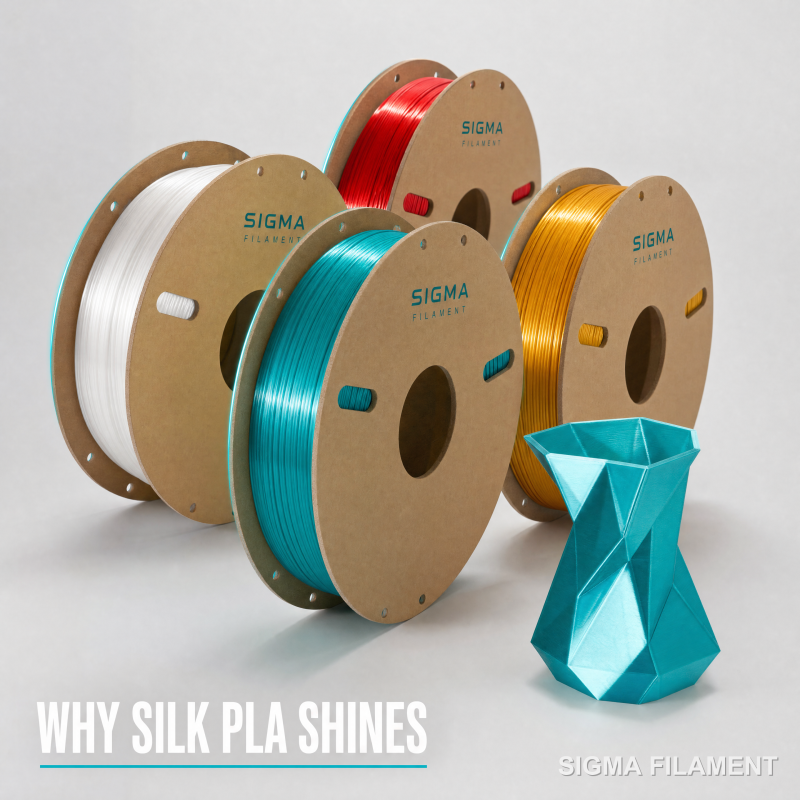
- Silk PLA: These filaments contain special elastomeric additives that give the printed part an extremely glossy, smooth, and almost translucent surface that reflects light beautifully. The effect is particularly striking on models with curved surfaces, giving them a luxurious, silky sheen.
- Marble PLA: Similar to wood-filled filaments, these contain fine particles of stone-like material to create prints that have a speckled, marble-like appearance. They are excellent for printing statues, busts, and architectural elements.
- Glow-in-the-Dark PLA: These filaments are infused with phosphorescent pigments (like strontium aluminate) that absorb UV light and then glow brightly in the dark. They are popular for creating novelty items, toys, and Halloween decorations.
- Color-Changing Filaments: These can change color based on temperature (thermochromic) or exposure to UV light (photochromic). Thermochromic filaments are often used for items that will be held, like mugs or phone cases, which change color in response to body heat.
These specialty filaments demonstrate that 3D printing is as much an art form as it is an engineering discipline. They provide a rich palette for creative expression, allowing makers to imbue their creations with unique character and visual flair. While they may not be chosen for their mechanical strength, their ability to delight, surprise, and beautify is a powerful capability in its own right. They serve as a reminder that the final consideration in choosing from all categories of 3D printing filaments is not always about performance, but sometimes, simply about joy. The market for these materials is vast; silk PLA, for one, delivers high surface reflectivity and a smooth visual sheen for decorative prints (Xometry, 2023). As manufacturing capacity for these specialty materials grows, so does the accessibility for creators to experiment with them, supported by partners capable of reliable, high-volume filament production.
Frequently Asked Questions (FAQ)
What is the best 3D printing filament for beginners?
For individuals new to 3D printing, Polylactic Acid (PLA) is overwhelmingly the recommended starting material. Its low printing temperature, minimal warping, and excellent adhesion to the build plate make it very forgiving. It allows beginners to achieve successful prints quickly, which builds confidence and helps them learn the fundamentals of slicing and printer operation without the complexities of more demanding materials.
Which 3D printing filament is the strongest?
“Strongest” can be interpreted in several ways. For pure stiffness and rigidity (resistance to bending), a carbon fiber reinforced polymer like PA-CF (Carbon Fiber Nylon) is typically the strongest. For toughness and impact resistance (the ability to absorb shock without fracturing), standard Nylon (PA) or Polycarbonate (PC) are superior. For most functional applications requiring a balance of strength and durability, PETG is an excellent and much easier-to-print choice than the more advanced options.
Do I need a heated enclosure for my 3D printer?
A heated enclosure is not necessary for printing materials like PLA, PETG, or TPU. However, for high-temperature materials that are prone to significant thermal shrinkage, such as ABS, ASA, Nylon, and PC, an enclosure becomes highly recommended or even mandatory. An enclosure maintains a stable, elevated ambient temperature around the print, which reduces warping, prevents layer splitting, and improves the overall quality and strength of the part.
How should I store my 3D printing filaments?
Most 3D printing filaments are hygroscopic, meaning they absorb moisture from the air. This moisture turns to steam in the hotend, causing poor print quality and weak parts. Filaments should be stored in a dry, airtight environment. The best solution is a dedicated dry box with desiccant packs. At a minimum, store spools in resealable bags with the included desiccant. Materials like Nylon, PVA, and PETG are particularly sensitive and require diligent dry storage.
Are the fumes from 3D printing toxic?
The level of fume toxicity varies by material. PLA is plant-based and emits minimal, non-toxic fumes with a slightly sweet smell, making it safe for use in most indoor environments. PETG is also considered very safe with no significant odor. However, materials like ABS and ASA release styrene during printing, which produces a strong odor and potentially harmful volatile organic compounds (VOCs). Printing with these materials requires good ventilation, such as an open window with a fan or a dedicated extraction system.
Can I print food-safe objects with my 3D printer?
While some filaments like natural PETG are made from food-safe base resins, creating a truly food-safe printed object is very difficult. The layer-by-layer process of FDM printing creates microscopic crevices on the surface of the part where bacteria can grow and are difficult to clean. Additionally, the brass nozzles on many printers may contain small amounts of lead. For a part to be considered food-safe, it should be printed with a verified food-grade filament, using a stainless steel nozzle, and then sealed with a food-safe epoxy coating to smooth the surface.
What is the difference between a 1.75mm and a 2.85mm filament?
These two numbers refer to the diameter of the filament strand. They are not interchangeable. Your 3D printer is designed to work with only one of these sizes. The vast majority of consumer and prosumer printers on the market today use 1.75mm filament. The 2.85mm (often rounded to 3mm) standard is less common but is still used by some manufacturers, notably Ultimaker and BCN3D. Always check your printer’s specifications before purchasing filament.
A Concluding Reflection on Material Mastery
Our journey through all categories of 3D printing filaments reveals a profound truth about modern making: the digital design is only half the story. The physical substance we choose to embody that design is what gives it purpose, resilience, and character. We began with the accessible and good-natured PLA, a material that invites experimentation. We progressed to the robust and versatile PETG, a true jack-of-all-trades. We then grappled with the demanding yet powerful engineering materials like ABS and Nylon, which ask more of us but reward our efforts with true functional capability. We stretched our understanding with the elasticity of TPU and reached for new heights of performance with composites and high-performance polymers like PC and PEEK.
To master material selection is to move beyond simply asking, “Can I print this?” and to begin asking, “What should this be made of to fulfill its purpose?” It is a shift in mindset from a hobbyist to a craftsperson, from a prototyper to an engineer. It requires an empathy for the material itself—an understanding of its strengths, a respect for its weaknesses, and the knowledge of how to create the conditions for it to succeed. The vast and growing library of available filaments is not a source of confusion but a testament to the incredible versatility of additive manufacturing. Each spool represents a different set of possibilities, a new language with which to express our ideas in physical form. The path forward is one of continual learning and experimentation, of pairing the right material with the right design to create objects that are not just printed, but are truly well-made.
References
- All3DP. (2023). 3D printing filament types explained.
- O’Neill, B. (2023, September 28). Strongest 3D printer filament: Choosing between PC, nylon, TPU, and others. Wevolver. https://www.wevolver.com/article/strongest-3d-printer-filament
- Simplify3D. (2019). Ultimate materials guide: Tips for 3D printing with ASA. Simplify3D. https://www.simplify3d.com/resources/materials-guide/asa/
- Wikipedia. (n.d.). Polycarbonate. Retrieved November 2, 2026, from https://en.wikipedia.org/wiki/Polycarbonate
- Wikipedia. (2024). 3D printing filament.
- Xometry. (2023). Types of 3D printer filaments. https://www.xometry.com/resources/3d-printing/types-of-3d-printer-filaments/
Last reviewed and updated: January 2026. Author: SigmaFilament Engineering Team. For custom filament solutions and wholesale inquiries, contact our team.