PLA vs PETG: 7 Data-Backed Differences for a Practical Choice in 2026

Abstract
The selection of a thermoplastic for fused deposition modeling (FDM) 3D printing profoundly influences the functional and aesthetic outcomes of a printed object. This analysis examines the comparative properties of two prevalent materials: Polylactic Acid (PLA) and Polyethylene Terephthalate Glycol (PETG). PLA, a biodegradable polyester derived from renewable resources, is distinguished by its ease of printing, low thermal expansion, and ability to produce objects with high dimensional accuracy and detailed surface finish. PETG, a copolyester, presents a more robust alternative, offering superior strength, durability, temperature resistance, and chemical resilience. The fundamental divergence in their performance stems from their molecular structures; PLA possesses a more crystalline nature, whereas PETG is amorphous eufymake.com. A comprehensive evaluation of their mechanical properties, thermal stability, printability, post-processing requirements, and environmental considerations reveals distinct application profiles. PLA is optimally suited for aesthetic prototypes, detailed models, and low-stress functional items, while PETG excels in applications demanding mechanical toughness, impact resistance, and endurance in moderately high-temperature environments.
Key Takeaways
- PLA is easier to print, making it ideal for beginners and detailed models.
- PETG offers superior strength, flexibility, and heat resistance for functional parts.
- The PLA vs PETG choice depends entirely on the part’s intended use case.
- PETG is more durable for mechanical components subjected to stress or impact.
- PLA generally provides a better surface finish with less printing difficulty.
- PETG requires higher printing temperatures and fine-tuned settings to prevent stringing.
- Consider PETG for parts used outdoors or in warm environments like a car.
Table of Contents
- Foundational Chemistry: Understanding the Molecular Divide
- A Practical Comparison of Material Properties
- Key Material Properties at a Glance
- 1. Mechanical Properties: Strength, Durability, and Flexibility
- 2. Thermal Resistance: Performance Under Heat
- 3. Printability and User Experience
- 4. Post-Processing and Surface Finish
- 5. Environmental Impact and Food Safety
- 6. Cost, Availability, and Market Position
- 7. Advanced Variants and Composite Filaments
- Frequently Asked Questions (FAQ)
- Final Considerations
- References
Foundational Chemistry: Understanding the Molecular Divide
Before we can have a meaningful discussion about the practical differences in the PLA vs PETG debate, we must first journey into the microscopic world of polymers. To truly grasp why one material is brittle while the other is tough, or why one deforms in a hot car while the other remains rigid, we need to think like a chemist for a moment. The behavior of these materials is not arbitrary; it is a direct consequence of their molecular architecture. Both PLA and PETG are classified as thermoplastics, a fascinating category of polymers that defines their relationship with heat.
What Makes a Polymer a Thermoplastic?
Imagine a bowl of cooked spaghetti. At room temperature, the strands are a tangled but solid mass. You can pick it up, and it holds its shape. Now, if you were to heat that spaghetti, the strands would soften, move more freely, and you could easily reshape the mass. Upon cooling, it would solidify again into its new form. You could repeat this process of heating, reshaping, and cooling multiple times.
A thermoplastic behaves in a very similar way. These materials consist of long chains of molecules, or polymers, that are held together by intermolecular forces. When heated above a specific temperature, known as the glass transition temperature, these forces weaken. The polymer chains can then slide past one another, allowing the material to become soft and malleable—like molten plastic in your 3D printer’s nozzle. When it cools, the forces re-establish themselves, and the material solidifies. This reversible process is what makes FDM 3D printing possible. It allows us to melt a solid filament, extrude it into a precise shape layer by layer, and have it cool back into a solid object. Both PLA and PETG fit this description, but the specific arrangement of their polymer chains leads to their distinct personalities.
The Crystalline Nature of PLA
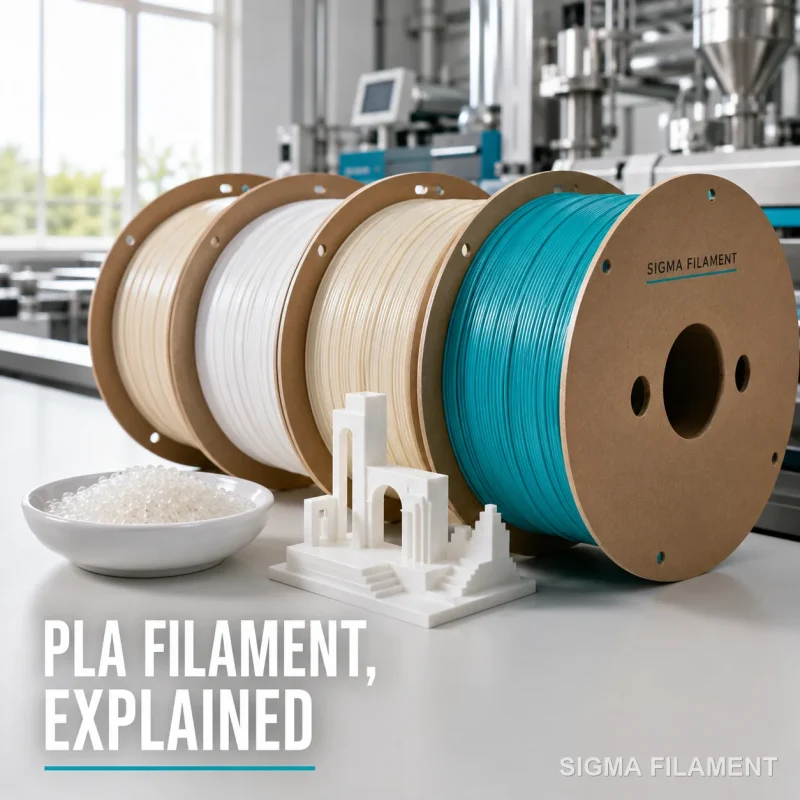
Polylactic Acid, or PLA, is a polyester derived from renewable resources like corn starch or sugarcane. On a molecular level, PLA has a tendency to form organized, tightly packed structures. Think of it like neatly stacking bricks. This ordered arrangement is known as a semi-crystalline structure.
This crystallinity is responsible for several of PLA’s hallmark traits. The organized structure makes the material quite rigid and hard. Rigidity contributes to PLA’s ability to print sharp corners and intricate details with high fidelity; the material doesn’t sag or droop much as it cools. However, this same organized structure has a downside. When a strong, sudden force is applied—an impact—there is little room for the polymer chains to move and absorb the energy. Instead, the ordered structure shatters. This is why PLA is considered brittle. It has high tensile strength (resistance to being pulled apart) but low impact resistance (resistance to sudden shocks). It’s like a ceramic plate: strong enough to hold a heavy meal, but it will shatter if you drop it.
The Amorphous Structure of PETG
Polyethylene Terephthalate Glycol, or PETG, is a modification of PET, the same plastic used to make water bottles. The “G” stands for glycol, which is added during polymerization. This addition is quite clever; it disrupts the polymer chains, preventing them from packing together in an orderly, crystalline fashion eufymake.com. The result is an amorphous structure.
Imagine that bowl of spaghetti again, but this time it’s uncooked. The strands are a random, jumbled, and entangled mess. This is analogous to PETG’s molecular arrangement. There is no long-range order. This chaotic structure gives PETG its signature toughness. When an impact occurs, the tangled polymer chains have the freedom to move, stretch, and slide past one another, absorbing and dissipating the energy of the blow. Instead of shattering, the material deforms or bends. This is why PETG has excellent impact resistance and is much more durable than PLA. It also provides a slight degree of flexibility. The trade-off for this toughness is a slightly lower hardness and rigidity compared to PLA, which can make printing very fine details a bit more challenging.
Understanding this fundamental difference between PLA’s semi-crystalline order and PETG’s amorphous chaos is the key to predicting their behavior and making an informed choice in the PLA vs PETG decision.
A Practical Comparison of Material Properties
Having established the chemical foundations, we can now translate that molecular behavior into tangible, real-world performance characteristics. For any maker, engineer, or hobbyist, the choice between PLA and PETG comes down to a series of trade-offs. No single material is universally “better”; the optimal choice is always context-dependent. The following table provides a high-level overview of the key differences you will encounter when working with these two filaments.
| Feature | Polylactic Acid (PLA) | Polyethylene Terephthalate Glycol (PETG) |
|---|---|---|
| Primary Strength | Rigidity, Hardness, Surface Finish | Toughness, Durability, Impact Resistance |
| Ease of Printing | Very High (forgiving, low temp, minimal warping) | Medium (requires higher temps, prone to stringing) |
| Temperature Resistance | Low (deforms around 60°C / 140°F) | Moderate (deforms around 80°C / 176°F) |
| Flexibility | Low (brittle, snaps under pressure) | Medium (slight flex, bends before breaking) |
| Durability | Low (prone to cracking from impact or fatigue) | High (excellent layer adhesion, impact resistant) |
| Transparency | Generally Opaque (specialty variants exist) | Can be printed to be highly translucent or “water clear” |
| Food Safety | Generally considered food-safe in raw form | Generally considered food-safe in raw form |
| Outdoor Use | Not recommended (low UV and temperature resistance) | Suitable (good UV and weather resistance) |
Key Material Properties at a Glance
For those who need to make quick decisions based on printer settings and material science data, a more technical comparison is useful. These values represent typical ranges, and specific formulations from different manufacturers may vary. Always consult the technical data sheet for your specific filament.
| Technical Specification | PLA (Standard) | PETG (Standard) |
|---|---|---|
| Nozzle Temperature | 190 – 220°C | 230 – 260°C |
| Bed Temperature | 50 – 60°C (or unheated) | 70 – 90°C |
| Glass Transition Temp (Tg) | ~60°C | ~80°C |
| Tensile Strength | High (~50-70 MPa) | Medium (~45-55 MPa) |
| Impact Strength (Izod) | Low (~2-4 kJ/m²) | High (~8-12 kJ/m²) |
| Printing Speed | High (can often print faster) | Moderate (slower to reduce stringing) |
| Enclosure Required? | No | Recommended, but not always necessary |
| Chemical Resistance | Low | High (resists acids, bases, and solvents) |
| UV Resistance | Low | Good |
1. Mechanical Properties: Strength, Durability, and Flexibility
When we talk about the “strength” of a 3D printing material, the term can be misleading. It is not a single, monolithic property. Instead, strength is a composite of several distinct mechanical behaviors. The PLA vs PETG contest is a classic example of how two materials can both be considered “strong” but in entirely different ways. Your application—whether it is a display model, a phone case, or a gear for a machine—will dictate which type of strength is most valuable.
Tensile Strength: Where PLA Often Excels
Tensile strength measures a material’s resistance to being pulled apart. Imagine you have a rod made of a material and you are pulling on both ends. The amount of force the rod can withstand before it snaps is its tensile strength. In Simplify3D’s filament properties table, PLA shows a higher ultimate strength than PETG (Simplify3D, 2019).
What does this mean in practice? It means that for a static part that is under constant tension, PLA can be surprisingly robust. Its rigidity, born from its semi-crystalline structure, allows it to resist stretching and deforming under a steady load. Think of a simple bracket holding a lightweight shelf on a wall. The primary force is a constant downward pull. In this scenario, PLA’s rigidity and tensile strength are advantageous. The part will not sag or stretch; it will hold its form until the load becomes so great that it fails suddenly and catastrophically.
Impact Resistance: PETG’s Domain of Toughness
Impact resistance, or toughness, is a measure of a material’s ability to absorb energy and resist fracturing when subjected to a sudden force. This is where PETG decisively outperforms PLA. If tensile strength is a slow pull, impact strength is a sharp hammer blow.
Recall PETG’s amorphous, tangled molecular structure. When that hammer blow lands, those jumbled polymer chains can untangle and stretch, dissipating the energy throughout the material. Instead of cracking, a PETG part is more likely to dent or deform. PLA, with its neatly ordered crystalline regions, has no such mechanism. The energy has nowhere to go, so it breaks the rigid bonds, and the part shatters.
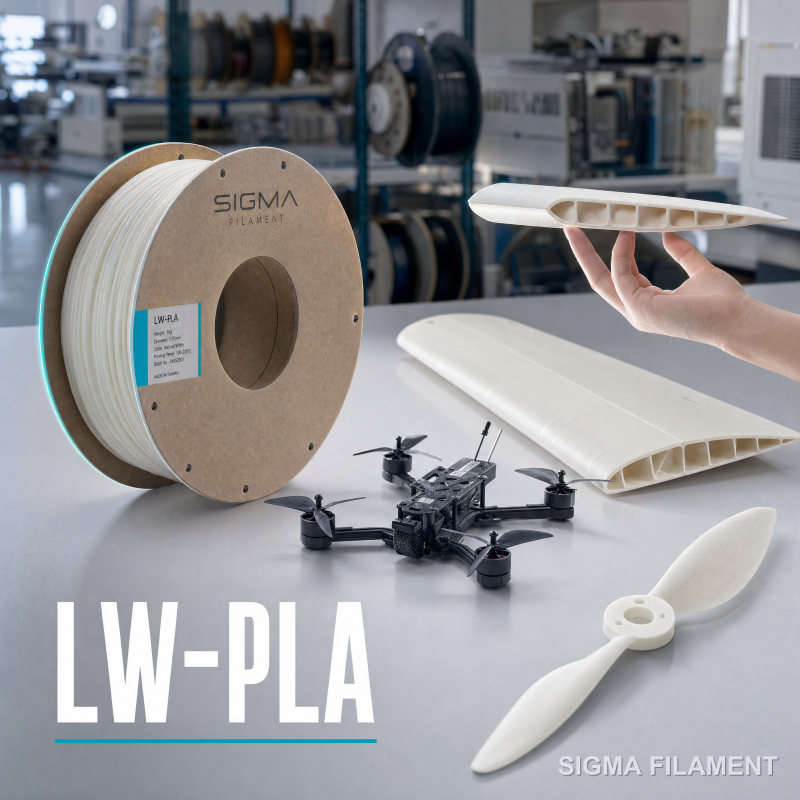
Consider a drone frame. It needs to be rigid enough to fly controllably, but it also must survive the inevitable crash landing. If you made a drone frame from PLA, the first hard landing would likely result in snapped arms. A frame made from PETG, however, would absorb the impact, perhaps showing some scuffs or bends, but it would likely remain intact and flyable. This toughness makes PETG the superior choice for any part that might be dropped, hit, or subjected to sudden loads, such as protective cases, mechanical parts, or robotics components.
Flexibility and Elongation: A Tale of Two Behaviors
Closely related to impact resistance is flexibility, often measured as “elongation at break.” This tells you how much a material can stretch as a percentage of its original length before it snaps. PLA is very stiff and has a low elongation at break. It will bend very little before it fails with a clean snap.
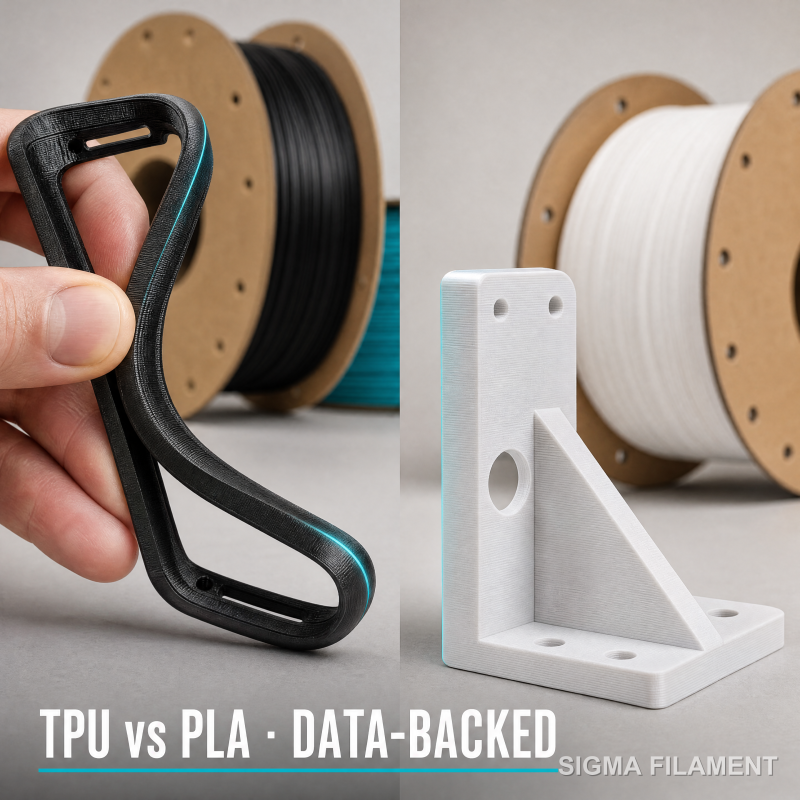
PETG, on the other hand, has a much higher elongation at break. It possesses a noticeable amount of flex. Before it fails under tension, it will stretch and deform significantly, a behavior known as “ductile failure.” This visual warning—the part visibly stretching or whitening—can be a valuable safety feature in mechanical applications. It signals that the part is overloaded and approaching failure, whereas a PLA part would offer no such warning. This slight flex also contributes to PETG’s durability, allowing it to give way under stress rather than rigidly resisting until it breaks. For snap-fit enclosures or parts that need to bend slightly to be installed, PETG is the far better option.
Practical Implications: Choosing for Functional Parts
So, how do you synthesize this information for your projects? Ask yourself about the forces your part will experience.
- Is it a static, decorative object? A statue, a piece of architectural modeling, or a prototype for visual evaluation? PLA’s superior surface finish xometry.com and rigidity make it the perfect choice.
- Is it a part under constant, steady tension? A simple hanging bracket or a structural element that isn’t expected to move or be hit? PLA could be a viable, cost-effective option.
- Is it a part that will be handled, dropped, or subjected to impacts? A phone case, a toolbox latch, a protective cover for a sensor? PETG’s toughness is non-negotiable here.
- Is it a mechanical part that needs to survive vibration or repeated stress? A gear, a motor mount, a part on a moving vehicle? PETG’s durability and ability to absorb energy make it the clear winner. The discussion of PLA vs PETG for functional parts almost always favors PETG due to its resilience.
2. Thermal Resistance: Performance Under Heat
A 3D printed part’s utility can be drastically limited by its ability to withstand heat. A beautifully printed object that deforms into a useless puddle on a warm day is a frustrating failure. In the PLA vs PETG comparison, thermal resistance is one of the most significant and practical differentiators, directly influencing where and how your printed parts can be deployed.
Glass Transition Temperature (Tg) Explained
To understand thermal performance, we must revisit the concept of the glass transition temperature, or Tg. It is not the same as a melting point. Melting is a phase change from solid to liquid. The glass transition is more subtle. Below its Tg, a polymer is in a “glassy” state—hard, rigid, and often brittle. Above its Tg, it enters a “rubbery” state—soft, pliable, and flexible.
Think of a bar of cold, hard chocolate. You can snap it cleanly. That’s its glassy state. If you leave that same bar in a warm room, it won’t melt into a puddle, but it will become soft and impossible to snap. You can easily bend it. That’s its rubbery state. The temperature at which that change happens is its glass transition temperature. For 3D printed parts, the Tg is often the practical limit for its use. A part heated above its Tg will lose its structural integrity, sag under its own weight, and deform permanently.
PLA’s Low Thermal Threshold: A Prototyping Asset, a Functional Liability
Standard PLA has a glass transition temperature of around 60°C (140°F). While that might sound reasonably high, it’s a temperature that is easily reached in many common environments. The inside of a car on a sunny day can easily exceed 70°C. A part placed near electronic components, like a fan shroud for a processor, could experience similar temperatures. Even leaving a dark-colored PLA print in direct summer sunlight can be enough to cause it to soften and warp.
This low Tg is a significant limitation for any functional parts intended for use outside of a climate-controlled indoor environment. A phone mount for your car’s dashboard made from PLA will likely droop on the first hot day. A garden tool handle left in the sun will become soft. However, this same property can be seen as an advantage in some contexts. The low temperature requirement makes PLA very easy to print with minimal energy. It also allows for some post-processing techniques, like using hot water to slightly reshape a print. For rapid prototyping where the part’s purpose is simply to check form and fit, PLA’s low Tg is irrelevant, and its ease of printing makes it ideal.
PETG’s Superior Heat Deflection
PETG boasts a significantly higher glass transition temperature, typically around 80°C (176°F). That 20°C difference is enormous in practical terms. It pushes the material’s operational window into a much more useful range. A PETG part can comfortably survive in a hot car, can be used for parts in outdoor electrical enclosures, and can function near motors or other sources of moderate heat without losing its shape.
This higher thermal resistance is a primary reason why many users “graduate” from PLA to PETG when they begin printing functional parts. The reliability that comes from knowing your part won’t deform under common temperature fluctuations is a massive benefit. PETG bridges the gap between the ease of PLA and the high-temperature performance of more industrial materials like ABS or ASA, offering a fantastic balance of printability and durability for a wide array of applications.
Real-World Scenarios: Car Interiors, Outdoor Use, and Machine Components
Let’s ground the PLA vs PETG thermal debate in a few concrete examples.
- Custom Car Accessories: You want to print a custom cup holder insert, a phone mount, or a clip to organize charging cables. The interior of a closed vehicle is a hostile environment, with temperatures swinging wildly. PLA is unsuitable for this task. PETG is the ideal choice, offering the necessary temperature resistance to remain rigid and functional even on the hottest days.
- Gardening and Outdoor Equipment: You’re designing a custom nozzle for your garden hose, a bracket for mounting a weather station, or a replacement handle for a trowel. These items will be exposed to direct sunlight. The sun’s radiant energy can easily heat surfaces well above the ambient air temperature. A PLA part would soften, warp, and likely fail. PETG, with its better temperature and UV resistance, is far more suitable for outdoor applications.
- 3D Printer Upgrades: It’s a common practice for hobbyists to print upgrades for their own 3D printers. Consider parts like part-cooling fan ducts or motor mounts. These components are located very close to heat sources—the hotend and the stepper motors. Printing these parts in PLA is a recipe for failure; the fan duct will eventually warp from the heat of the nozzle, ruining its airflow and causing print quality to suffer. PETG is the standard material for these types of functional printer parts precisely because it can withstand the operational heat.
When choosing your filament, always ask: “What is the highest temperature this part will ever experience?” If the answer is anywhere near 60°C, the choice is clear—PETG is the necessary material for the job.
3. Printability and User Experience
A filament’s material properties are purely academic if you cannot successfully transform it from a spool into a solid object. The printing process itself—the user experience of working with a material—is a huge factor in the PLA vs PETG decision. Here, the two materials offer starkly different journeys. PLA is known for being exceptionally forgiving and beginner-friendly, while PETG is often seen as the “next step up,” a material that demands more skill and printer tuning to master.
The Beginner’s Choice: PLA’s Forgiving Nature
There is a reason nearly every new 3D printer comes with a sample spool of PLA. It is arguably the easiest material to print with. This ease of use stems from several of its inherent properties working in harmony.
First, its low printing temperature (typically 190-220°C) means it requires less energy and places less thermal stress on the printer’s hotend. Second, it has a very low coefficient of thermal expansion. This means that as PLA cools from its molten state, it shrinks very little. This minimal shrinkage is the primary reason PLA is so resistant to warping. Warping occurs when the bottom layers of a print cool and shrink, pulling away from the build plate and causing the corners of the print to lift. Because PLA barely shrinks, it tends to stay flat and securely adhered to the build surface.
This forgiving nature means you can often get good PLA prints with a poorly leveled bed, inconsistent ambient temperatures, or a non-optimal print profile. It sticks well to a variety of build surfaces (like glass, PEI, or painter’s tape) and often doesn’t even require a heated bed for smaller prints . For someone new to 3D printing, PLA provides a path to success with a much gentler learning curve, building confidence and producing satisfying results quickly.
Taming PETG: Dialing in Settings for Success
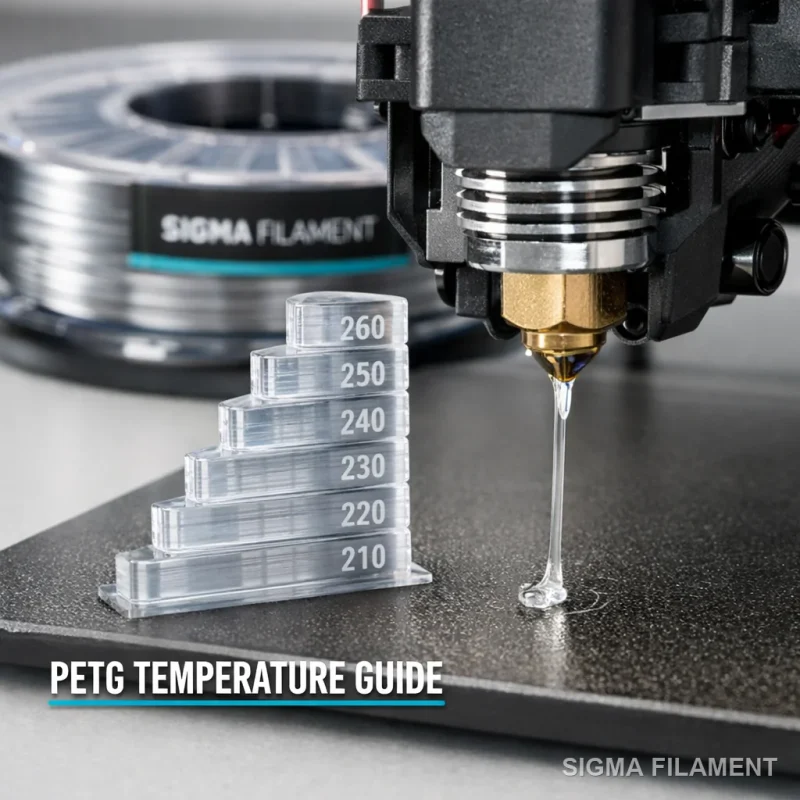
Printing with PETG is a different experience. It’s not necessarily “difficult,” but it is “particular.” It requires a more precise and well-tuned machine. The first major difference is temperature. PETG requires higher nozzle temperatures (230-260°C) and a consistently heated bed (70-90°C). The heated bed is not optional; it’s essential for ensuring the first layer adheres properly and for mitigating warping.
PETG is also much more sensitive to printing parameters than PLA. The “sweet spot” for temperature, retraction settings, and print speed is often a narrower window. What works for one brand of PETG might not work for another. It demands a more methodical approach from the user, often requiring the printing of calibration models like temperature towers and retraction tests to dial in the settings for a specific spool. While PLA might give you a decent print with a generic profile, PETG rewards—and often requires—the effort you put into tuning.
Bed Adhesion, Warping, and Enclosures
While PLA is known for its excellent bed adhesion, PETG can be tricky. It’s known for having almost too much adhesion to certain surfaces. PETG can bond so strongly to surfaces like glass or PEI that it can tear chunks out of the build plate upon removal. For this reason, it is common practice to use a release agent, like a glue stick or hairspray, not to improve adhesion, but to act as a barrier that allows the print to be removed without damaging the printer’s bed.
PETG also has a higher thermal shrinkage than PLA, making it more prone to warping on large, flat prints. A heated bed is the first line of defense, keeping the base of the model warm and reducing the temperature differential that causes shrinkage. For larger or more warp-prone models, a draft shield in your slicer settings or a full printer enclosure can be beneficial. An enclosure helps maintain a stable, warm ambient temperature around the print, slowing the cooling process and minimizing the internal stresses that lead to warping. While not always mandatory for PETG like it is for ABS, an enclosure certainly improves print consistency and success rates.
Stringing and Oozing: A Common PETG Challenge
Perhaps the most infamous characteristic of printing with PETG is its tendency to string and ooze. Stringing appears as fine, hair-like whiskers of plastic between different parts of a model. It happens because PETG is quite viscous and “goopy” at its printing temperature. As the nozzle travels from one point to another without extruding (a travel move), a small amount of filament can leak out of the nozzle, creating a string.
Combating PETG stringing is a masterclass in slicer tuning. The primary weapon is retraction. Retraction is a setting that tells the printer to pull the filament back slightly before a travel move, relieving pressure in the nozzle to prevent oozing. Dialing in the correct retraction distance and speed is vital. Printing at the lowest possible temperature that still ensures good layer adhesion can also help, as a cooler filament will be less runny. Finally, increasing travel speed can minimize the time the nozzle spends oozing over open air. While you can get perfectly clean prints with PETG, it requires a conscious effort in tuning that PLA simply does not demand. This challenge in the PLA vs PETG debate often steers users toward PLA for purely aesthetic models where a clean surface is paramount.
4. Post-Processing and Surface Finish
The journey of creating a 3D printed object doesn’t always end when the printer stops. Often, post-processing is required to achieve the desired final look and function. This can involve sanding, painting, gluing parts together, or removing support structures. The material you choose has a profound impact on how easy or difficult these finishing steps will be. In the realm of post-processing, the PLA vs PETG choice presents another set of distinct advantages and disadvantages.
Achieving a Smooth Finish with PLA
One of the reasons PLA is favored for cosmetic prints, miniatures, and display pieces is its excellent surface finish straight off the printer xometry.com. Its lower printing temperature and rigidity allow it to reproduce fine details with crispness. When post-processing is needed, PLA is generally more cooperative.
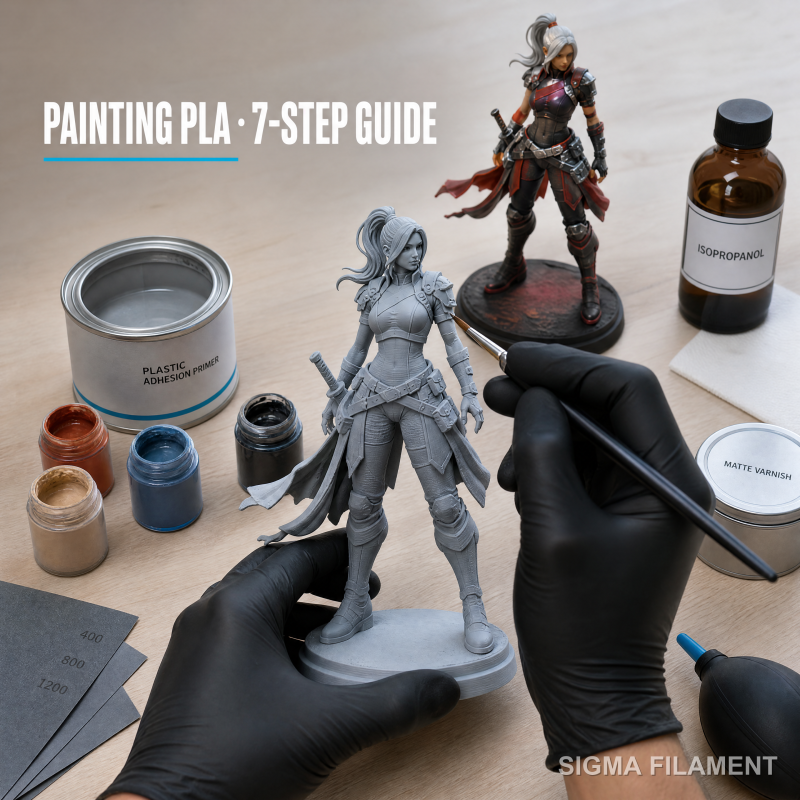
Sanding PLA is a relatively straightforward process. Because the material is hard and rigid, it sands down to a fine powder, allowing you to progressively use finer grits of sandpaper to achieve a very smooth, matte surface. It is also quite receptive to primers and paints. A coat of filler primer can help hide layer lines, and acrylic paints adhere to it very well. For joining multiple PLA parts, standard cyanoacrylate (super glue) works exceptionally well, creating strong bonds. There are even specialized PLA variants, like Polymaker’s PolySmooth, that can be vapor-smoothed with isopropyl alcohol to achieve an injection-molded-like finish, a process that is not possible with standard PLA or PETG.
The Challenges of Finishing PETG
PETG, true to its tough and durable nature, is more resistant to post-processing efforts. Its softer surface and chemical resistance make it more challenging to work with. When you try to sand PETG, it doesn’t produce a fine powder like PLA. Instead, its lower friction coefficient can cause it to heat up, melt, and “gum up” the sandpaper. The sanded surface can become fuzzy or scarred rather than smooth. Wet sanding can help mitigate this by keeping the surface cool, but it is generally a more labor-intensive process to get a smooth finish on PETG compared to PLA.
Painting PETG can also be more difficult. Its chemical resistance means that some paints may not adhere to its surface as well. Proper surface preparation, such as scuffing the surface with a coarse grit sandpaper and using a specialized plastic primer, is often necessary to get a durable paint job. Gluing PETG parts together is also best done with specific adhesives designed for plastics or by using techniques like friction welding, as standard super glue may not form as strong a bond as it does with PLA.
Support Removal: A Sticky Situation for PETG
Support structures are often a necessary evil in 3D printing, allowing for the creation of complex geometries and overhangs. The ease of removing these supports is a major quality-of-life factor. With PLA, support removal is typically clean and easy. The supports tend to snap off cleanly, leaving behind a relatively neat surface that may require minimal cleanup.
PETG presents a significant challenge here. PETG’s excellent layer-to-layer adhesion is a double-edged sword. While it makes for incredibly strong parts, it also means that the support structures bond very aggressively to the model itself . Removing PETG supports can be a struggle, often requiring tools like pliers and flush cutters. Instead of snapping off cleanly, they can tear away chunks of the model or leave behind a very rough, scarred surface that is difficult to clean up. Careful tuning of slicer settings, such as the “support Z distance” and using support interfaces, is absolutely essential to make support removal on PETG manageable. This difficulty is a major consideration in the PLA vs PETG trade-off for complex models.
Painting and Gluing: Material Considerations
To summarize the adhesive and finishing aspects:
- PLA: Easy to sand, easy to glue with super glue, and takes paint well with minimal preparation. It is the superior choice for models that will be heavily post-processed for aesthetic purposes.
- PETG: Difficult to sand, requires specific adhesives or techniques for strong bonds, and needs careful surface preparation for painting. Its finishing challenges are a trade-off for its superior mechanical properties.
If your project is a multi-part assembly that needs to be perfectly smooth and painted, like a movie prop or a cosplay helmet, using PLA will save you a significant amount of time and frustration in the finishing stage. If the part is purely functional and its surface appearance is secondary, PETG’s difficult finishing is a minor inconvenience in exchange for its strength.
5. Environmental Impact and Food Safety
In an increasingly eco-conscious world, the materials we use and the waste they generate are important considerations. The 3D printing community is no exception, and the environmental footprint of filaments is a frequent topic of discussion. Likewise, the desire to print custom kitchen gadgets, cookie cutters, and other items that may come into contact with food raises questions of safety. The PLA vs PETG debate extends into these critical areas of sustainability and health.
The Biodegradability of PLA: A Nuanced Reality
PLA is often marketed as a “green” or “biodegradable” plastic, which is one of its major selling points. It is derived from renewable plant-based resources like corn or sugarcane, unlike most plastics which are petroleum-based. This “farm-to-fabricator” lifecycle is certainly appealing. However, the term “biodegradable” requires careful qualification.
A PLA print will not biodegrade in your backyard compost pile or in a landfill. It requires specific conditions found only in industrial or commercial composting facilities. These facilities maintain high temperatures (above 60°C) and specific humidity levels, allowing microbes to effectively break the material down into water, carbon dioxide, and organic biomass over a period of several months. Without these conditions, a PLA object will persist in the environment for hundreds of years, much like a traditional plastic. So, while PLA is compostable under the right circumstances, its real-world biodegradability depends heavily on the availability of proper disposal facilities, which are not yet widespread.
PETG’s Recyclability and Chemical Resistance
PETG is a petroleum-based plastic and is not biodegradable. However, it is chemically very similar to PET (Resin ID Code 1), which is one of the most widely recycled plastics in the world. In theory, this means PETG is highly recyclable. The challenge lies in the logistics of the recycling stream. Most municipal recycling programs are set up to handle PET bottles and containers, not unmarked 3D printed objects. The “G” (glycol) modification in PETG gives it a lower melting point than standard PET, and mixing the two can contaminate a batch of recycled PET.
For this reason, you generally cannot toss your failed PETG prints into your curbside recycling bin. However, some specialized recycling services and filament manufacturers have started to offer take-back or spool-recycling programs. PETG’s primary environmental advantage is its durability. A strong, long-lasting part made from PETG is less likely to break and need replacement, reducing overall material consumption and waste compared to a weaker PLA part that might fail and be discarded.
Food Contact Safety: What “Food Safe” Really Means
Both PLA and PETG, in their pure, virgin resin form, are generally considered non-toxic and are often compliant with food-contact regulations from bodies like the FDA. Many filament manufacturers sell “food-grade” PLA and PETG. However, declaring a 3D printed part “food safe” is a much more complex issue. The problem isn’t just the material; it’s the printing process.
FDM 3D printing creates objects layer by layer, and these layers leave behind microscopic crevices and lines on the surface of the print. These tiny gaps are perfect breeding grounds for bacteria. Even after washing, bacteria can remain trapped in the layer lines, potentially contaminating any food that subsequently comes into contact with the part.
Furthermore, the filament’s path through the 3D printer can introduce contaminants. Brass nozzles, common on many printers, can contain small amounts of lead. Colorants and other additives used in the filament may not be food-grade, even if the base polymer is.
In the PLA vs PETG discussion for food contact, PETG has a slight advantage due to its non-porous nature and better chemical resistance, which makes it slightly easier to clean. However, neither material can be considered truly food-safe for repeated use after 3D printing without further processing. For items like cookie cutters that have brief, one-time contact with food before it’s baked, the risk is low. For any item intended for repeated use, such as a cup or a container, it is highly recommended to apply a certified food-safe coating or sealant to the printed part. This seals the layer lines and creates a non-porous, easily cleanable surface.
6. Cost, Availability, and Market Position
For hobbyists and businesses alike, budget is a practical constraint that influences material selection. The cost of filament, its availability, and the sheer variety of options on the market play a significant role in the PLA vs PETG landscape. While both are considered standard, affordable materials, there are differences in their market positioning that are worth noting.
PLA: The Ubiquitous and Affordable Standard
PLA is the undisputed king of the 3D printing filament market. Its popularity, driven by its ease of use, has created a massive and competitive marketplace. As a result, standard PLA is typically the most affordable filament you can buy. A standard 1kg spool of PLA is often the benchmark against which other material prices are measured.
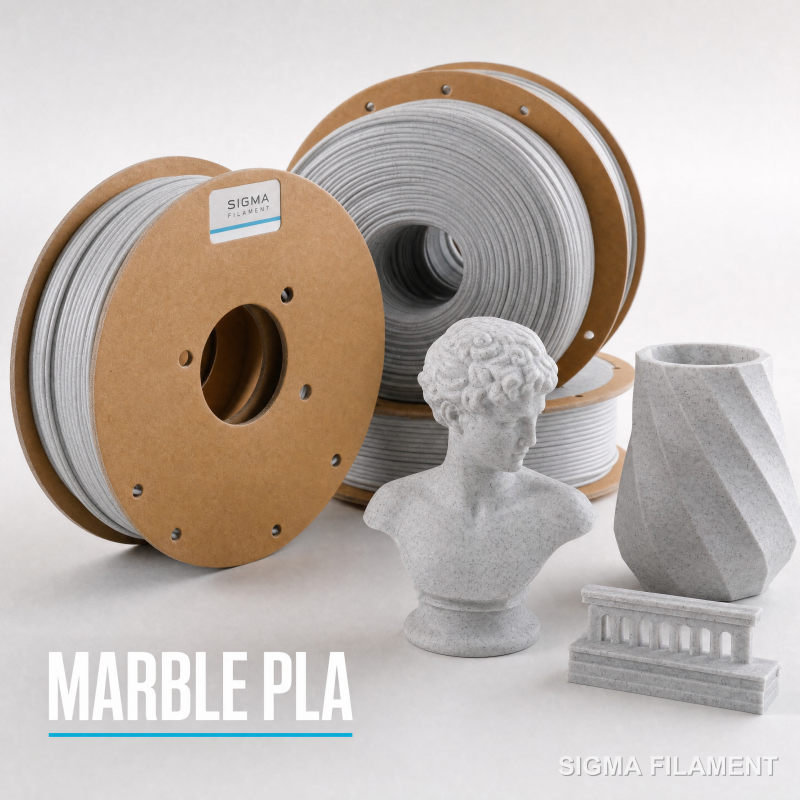
This ubiquity also means that PLA is available in an astonishingly vast array of colors and special finishes. You can find PLA in every shade imaginable, as well as variants that mimic the appearance of wood, metal, stone, or silk. There are glow-in-the-dark, temperature-changing, and glitter-infused PLA filaments. This huge selection makes PLA the go-to material for aesthetic projects where color and appearance are primary concerns. If you need a specific, exotic color for a model, you are far more likely to find it in PLA than in any other material.
PETG: A Modest Price for Enhanced Performance
PETG is generally priced slightly higher than standard PLA, but it remains a very affordable material. A 1kg spool of PETG typically costs a few dollars more than a comparable spool of PLA from the same brand. This modest price increase is often seen as a small investment for the significant upgrade in mechanical and thermal properties. For many users, the added toughness and heat resistance of PETG easily justify the minor additional expense, especially for functional parts where failure is not an option.
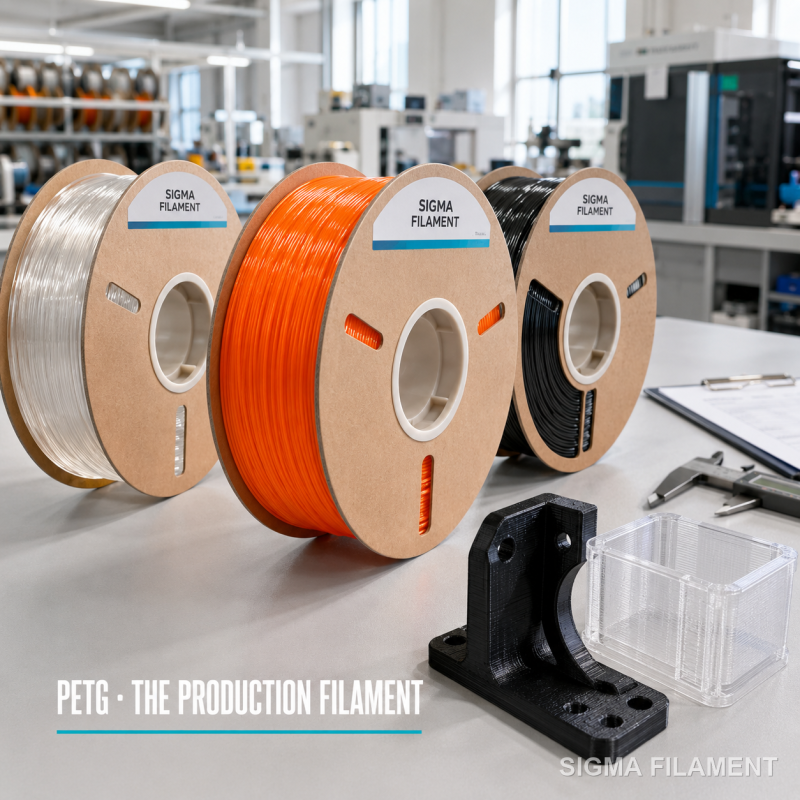
While the color selection for PETG is not as vast as it is for PLA, it is still widely available in a broad range of standard colors. A unique characteristic of PETG is its natural transparency. Unlike PLA, which is typically opaque, virgin PETG is naturally clear. This allows for the production of translucent and “glass-like” filaments that can be used to print objects with impressive optical clarity, such as lenses, light diffusers, or see-through containers.
The Influence of Specialty Blends and Colors
The base price of PLA and PETG is just the starting point. The market for 3D printing materials has matured significantly, and now includes a wide range of specialty blends and composites that offer enhanced properties. When you start exploring these advanced materials, the price gap between PLA and PETG often narrows or becomes irrelevant.
For example, you can purchase PLA+ or “Tough PLA” formulations that have been modified with additives to improve their impact resistance, bringing them closer to PETG’s performance, but at a higher price than standard PLA. Similarly, you can find high-speed versions of both materials, engineered for modern, fast printers. When you venture into composite materials, such as those reinforced with carbon fiber (PLA-CF, PETG-CF) or glass fibers, the price increases substantially for both material types. In this segment of the market, the choice is driven less by cost and more by the specific engineering requirement, such as the need for extreme stiffness or high thermal resistance. Manufacturers now offer a broad filament portfolio that caters to these advanced needs, moving beyond the basic PLA vs PETG comparison.
7. Advanced Variants and Composite Filaments
The evolution of 3D printing has moved well beyond the simple choice between standard PLA and PETG. As the technology has become more sophisticated, so too have the materials. Filament manufacturers now offer an exciting range of composites and specialty blends that take the base properties of PLA and PETG and enhance them for specific, demanding applications. These advanced filaments are pushing the boundaries of what is possible with desktop FDM printing.
Carbon Fiber and Glass Fiber Reinforced Filaments (PLA-CF, PETG-CF)
One of the most popular and effective ways to boost the performance of a thermoplastic is by infusing it with chopped fibers, most commonly carbon fiber or glass fiber.
Carbon Fiber (CF) Reinforced Filaments: Adding carbon fibers to PLA or PETG creates a composite material with dramatically increased stiffness and strength. A PETG-CF filament, for instance, is significantly more rigid than standard PETG, making it an excellent choice for functional parts that must resist bending under load, such as drone frames, robotics components, or jigs and fixtures for manufacturing (El Mehtedi et al., 2024). The carbon fibers also improve dimensional stability, reducing warping and shrinkage during printing. An added benefit is the beautiful matte black finish that effectively hides layer lines, producing parts that look incredibly professional straight off the printer.
Glass Fiber (GF) Reinforced Filaments: Similar to carbon fiber, glass fibers also increase stiffness and strength. Glass fiber composites, like an ASA-X GF10, often provide excellent thermal resistance and dimensional stability . They are a cost-effective way to achieve enhanced mechanical properties, offering a great balance of performance and price.
It is important to note that these abrasive composite filaments will rapidly wear out a standard brass nozzle. Printing with CF or GF filaments requires the use of a hardened steel, ruby, or other abrasion-resistant nozzle to avoid damage to your printer.
High-Speed Filaments for Modern Printers
The advent of high-speed CoreXY printers, like those from Bambu Lab or Creality, has created a demand for filaments that can keep up. Printing at speeds of 300 mm/s or more requires a filament with specific flow characteristics. High-speed PLA and PETG have been formulated to have a higher melt flow index, allowing them to melt faster in the hotend and be extruded smoothly without causing under-extrusion or jamming at high print speeds. These filaments often include additives that help them cool more rapidly once extruded, ensuring part accuracy and preventing the deformation that can occur when layers don’t have enough time to solidify. Using a high-speed filament on a compatible printer can drastically reduce print times without sacrificing quality, making it a game-changer for production and rapid prototyping.
Aesthetic and Specialty PLA Blends
While PETG is primarily focused on functional performance, the PLA market continues to innovate with a vast range of aesthetic and special-purpose blends. These go far beyond simple color changes.
- Silk PLA: Contains additives that give the final print a highly glossy, silky sheen that reflects light beautifully, making it perfect for decorative items, vases, and trophies.
- Matte PLA: Formulated to produce a non-reflective, textured surface that hides layer lines exceptionally well, giving prints a clean, professional look.
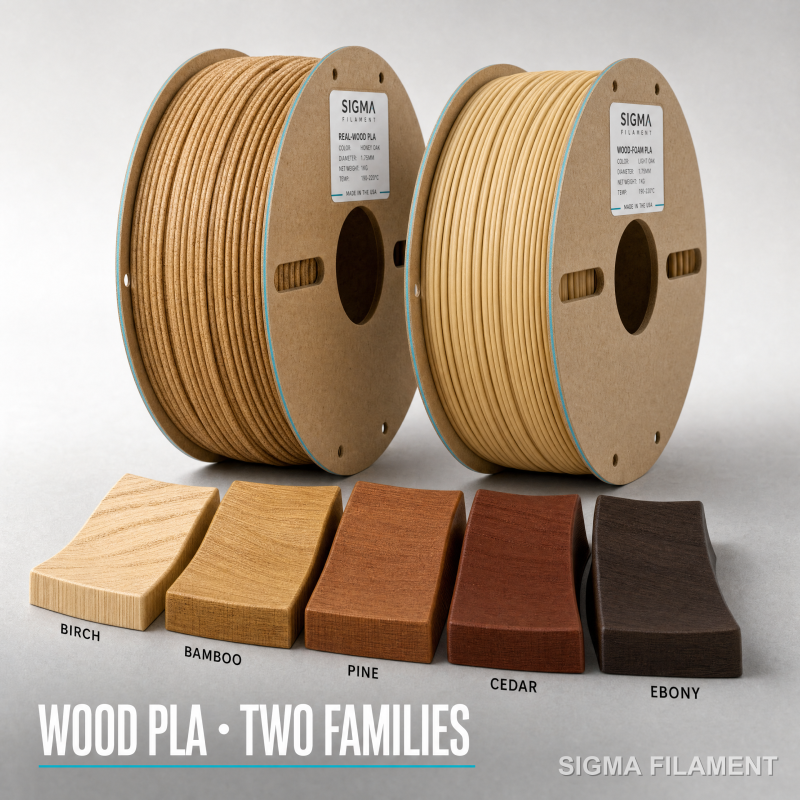
- Wood-filled PLA: Contains fine wood particles. Prints made with this filament look, feel, and even smell like real wood. They can be sanded and stained just like a piece of timber.
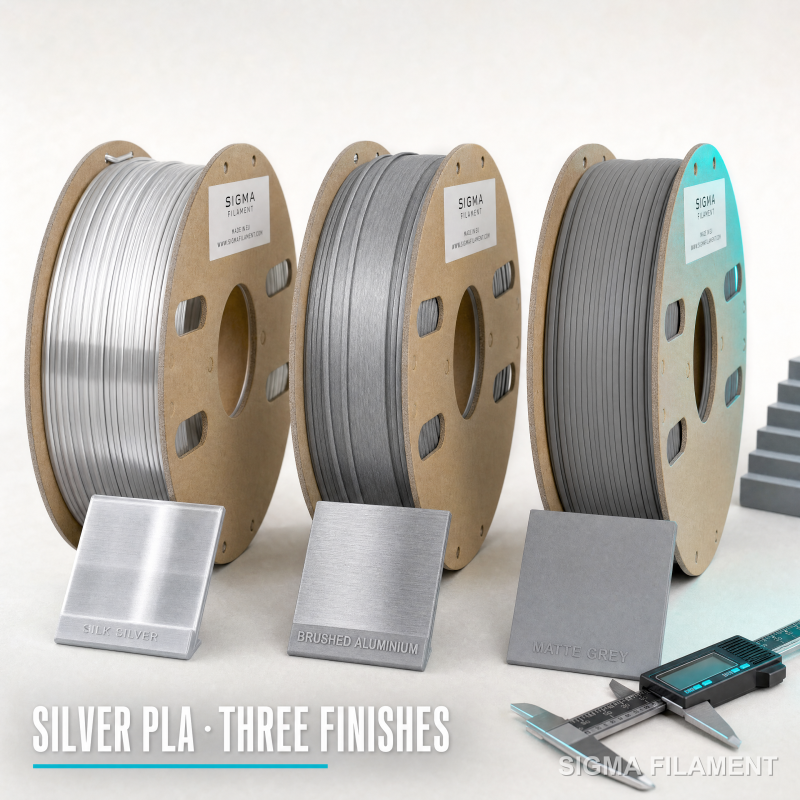
- Metal-filled PLA: Infused with fine metal powders like bronze, copper, or stainless steel. These prints are much heavier than standard PLA and can be polished, buffed, and even patinated to create realistic metallic-looking objects.
These specialty materials demonstrate that the PLA vs PETG choice isn’t just about function; it’s also about form. For artists, designers, and creators focused on visual appeal, the diverse world of specialty PLA offers a palette of textures and finishes that PETG cannot match. For businesses looking to create unique products, the availability of OEM/ODM custom R&D allows for the development of exclusive formulas and colors to meet specific branding and functional needs.
Frequently Asked Questions (FAQ)
Which is stronger, PLA or PETG? This depends on the definition of “strong.” PLA is more rigid and often has a higher tensile strength, meaning it’s better at resisting a steady pulling force. PETG is tougher and has much higher impact resistance, meaning it’s far better at surviving sudden shocks, drops, or impacts. For most functional parts that experience dynamic stress, PETG is considered the stronger, more durable material.
Can I use PETG for parts that will be outdoors? Yes, PETG is a good choice for many outdoor applications. It has good resistance to UV radiation, which prevents it from becoming brittle as quickly as PLA would. It also has a higher temperature resistance, so it won’t warp or deform in direct sunlight on a hot day. Its water resistance is also a significant benefit for outdoor use.
Why is my PETG print so stringy and how can I fix it? Stringing is the most common issue with PETG and is caused by its tendency to ooze from the nozzle. To fix it, you need to tune your slicer settings. The most effective adjustments are increasing retraction distance, increasing retraction speed, and printing at the lowest possible temperature that still provides good layer adhesion. Drying your filament is also critical, as moist PETG will string much more.
Do I need a heated bed and an enclosure to print PETG? A heated bed is mandatory for printing PETG. It needs to be set to around 70-90°C to ensure good first-layer adhesion and to help prevent warping. An enclosure is not strictly necessary for most small to medium-sized PETG prints, but it is highly recommended. An enclosure helps maintain a stable, warm ambient temperature, which reduces the chance of warping and cracking on larger prints and improves layer adhesion.
Which material should I use for printing detailed miniatures or models? For highly detailed prints like tabletop miniatures, PLA is almost always the better choice. Its rigidity and lower printing temperature allow it to hold fine details, sharp edges, and small features much more crisply than PETG. PETG’s tendency to ooze and bridge less cleanly can obscure these tiny details. Additionally, PLA’s easier post-processing makes sanding and painting small models much more manageable.
Is PETG food-safe? While the raw PETG material is often food-safe, a 3D printed part is not inherently so. The layer lines in a print can trap bacteria and are difficult to clean. For an object to be truly food-safe for repeated use, it should be sealed with a certified food-safe coating to create a smooth, non-porous surface. For brief, low-risk contact, like a cookie cutter, unsealed PETG is generally considered acceptable.
Can I print PETG on a beginner-level 3D printer? Yes, most modern 3D printers, even entry-level models, can print PETG. The key requirements are that the printer’s hotend can safely reach temperatures of 240-250°C and that it has a heated print bed. Since nearly all current printers meet these specifications, the main challenge is not the hardware but the user’s willingness to perform the necessary tuning and calibration to get clean prints.
Final Considerations
The examination of PLA vs PETG reveals not a simple contest with a single victor, but a nuanced relationship between two highly capable materials. The selection process should be guided by a thoughtful inquiry into the intended purpose of the printed object. PLA, with its ease of use, superb surface detail, and rigidity, maintains its status as the ideal material for rapid prototyping, aesthetic models, and low-stress applications where form is paramount. It provides a gentle introduction to the world of 3D printing and a vast creative palette for artists and designers.
PETG emerges as the pragmatic choice for a world where printed objects must function. Its synthesis of toughness, moderate flexibility, and enhanced thermal and chemical resistance makes it a reliable workhorse for mechanical parts, protective enclosures, and any component that must endure stress, impact, or moderate heat. The additional effort required to perfect its printing parameters is a small price for the profound increase in durability and functional reliability. The decision, therefore, is not about which material is superior in the abstract, but which material’s specific virtues align with the concrete demands of your next project.
References
- All3DP. (n.d.). PETG vs PLA filament: The differences. All3DP.
- AnkerMake. (n.d.). PETG vs PLA: 9 key differences you need to know. AnkerMake. https://www.eufymake.com/blogs/buying-guides/petg-vs-pla-filament
- Kantaros, A., Drosos, C., Papoutsidakis, M., Pallis, E., & Ganetsos, T. (2025). Composite filament materials for 3D-printed drone parts: Advancements in mechanical strength, weight optimization and embedded electronics. Materials, 18(11), 2465. https://doi.org/10.3390/ma18112465
- El Mehtedi, M., Buonadonna, P., Loi, G., El Mohtadi, R., Carta, M., & Aymerich, F. (2024). Surface quality related to face milling parameters in 3D printed carbon fiber-reinforced PETG. Journal of Composites Science, 8(4), 128. https://doi.org/10.3390/jcs8040128
- Simplify3D. (2019). Filament properties table. Simplify3D. https://www.simplify3d.com/resources/materials-guide/properties-table/
- Xometry. (n.d.). PETG vs. PLA: Differences and comparison. Xometry. https://www.xometry.com/resources/3d-printing/petg-vs-pla-3d-printing/
Last reviewed and updated: January 2026. Author: SigmaFilament Engineering Team. For custom filament solutions and wholesale inquiries, contact our team.