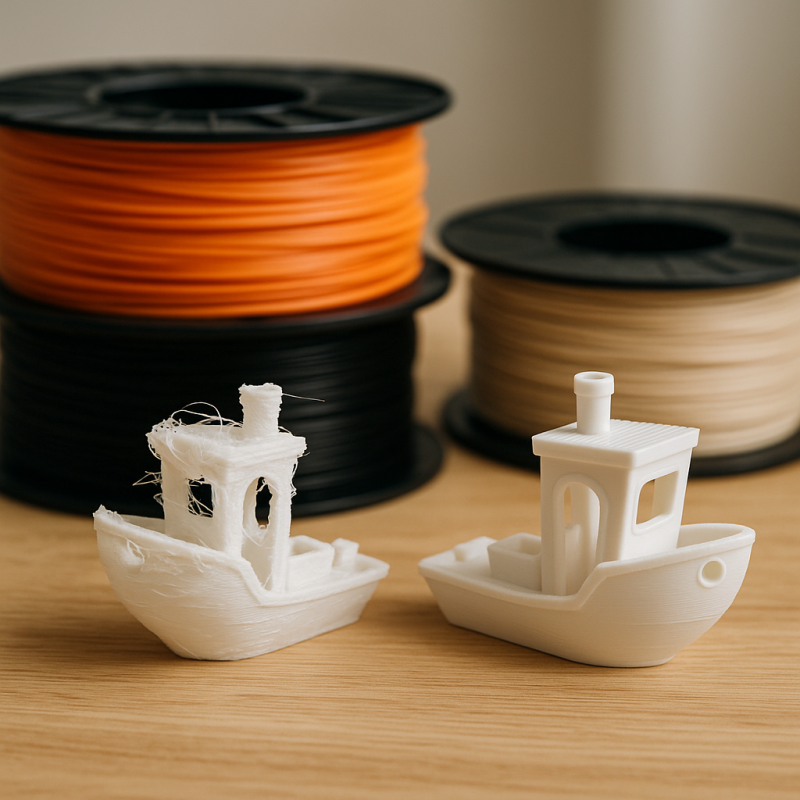
An Expert’s Guide to PLA Shopping: 7 Factors to Check Before You Buy in 2026

Abstract
The proliferation of fused deposition modeling (FDM) 3D printing has positioned polylactic acid (PLA) as the predominant material choice for hobbyists and professionals alike. This ubiquity, however, presents a complex marketplace where filament quality varies dramatically, directly impacting print success, mechanical performance, and user experience. This article provides a comprehensive analysis for discerning consumers navigating the PLA shopping landscape in 2026. It examines seven critical factors: material specifications (diameter tolerance, ovality), material purity and additives, PLA variants (standard, PLA+, aesthetic, fiber-reinforced), manufacturer credentials (ISO, RoHS), the economic calculation of cost versus value, packaging standards, and market navigation strategies. By deconstructing these elements, the article aims to equip users with the technical literacy required to move beyond price-point evaluations. It posits that an informed PLA shopping decision is not merely a purchase but an investment in reliability, consistency, and the final integrity of the printed object, mitigating common failures and optimizing the potential of 3D printing technology.
Key Takeaways
- Prioritize diameter tolerance of ±0.03mm or better to prevent extrusion issues.
- Select PLA variants like PLA+ for functional parts needing higher strength.
- Verify manufacturer certifications like ISO 9001 for consistent quality control.
- Consider the true cost, including failed prints, when evaluating filament price.
- A proper PLA shopping strategy involves checking for vacuum-sealed packaging.
- Store filament in a dry environment to prevent moisture absorption and brittleness.
- For large-scale needs, explore OEM partners for supply chain stability.
Table of Contents
- Understanding PLA: The Foundation of Your 3D Printing Journey
- Factor 1: Mastering Material Specifications – The Technical Trinity
- Factor 2: Purity and Additives – What’s Really in Your Filament?
- Factor 3: Choosing the Right PLA Variant for Your Project
- Factor 4: The Manufacturer’s Reputation and Certifications
- Factor 5: Cost vs. Value – A Nuanced Economic Calculation
- Factor 6: Spool and Packaging Considerations
- Factor 7: Navigating the Market – Where to Conduct Your PLA Shopping
- Preparing and Storing Your PLA for Optimal Performance
- Troubleshooting Common PLA Printing Issues
- Frequently Asked Questions (FAQ)
- Conclusion
- References
Understanding PLA: The Foundation of Your 3D Printing Journey
Before embarking on a PLA shopping expedition, it is intellectually and practically rewarding to first develop a deeper appreciation for the material itself. Polylactic acid is not simply a coil of plastic; it is the culmination of a fascinating journey from agriculture to advanced manufacturing. Understanding its origins, chemical properties, and the ethical considerations surrounding its use provides a robust foundation upon which all subsequent purchasing decisions can be built. It transforms the act of buying from a simple transaction into a conscious choice, informed by a holistic view of the material’s lifecycle and capabilities.
What is Polylactic Acid (PLA)? A Look at its Chemical Nature
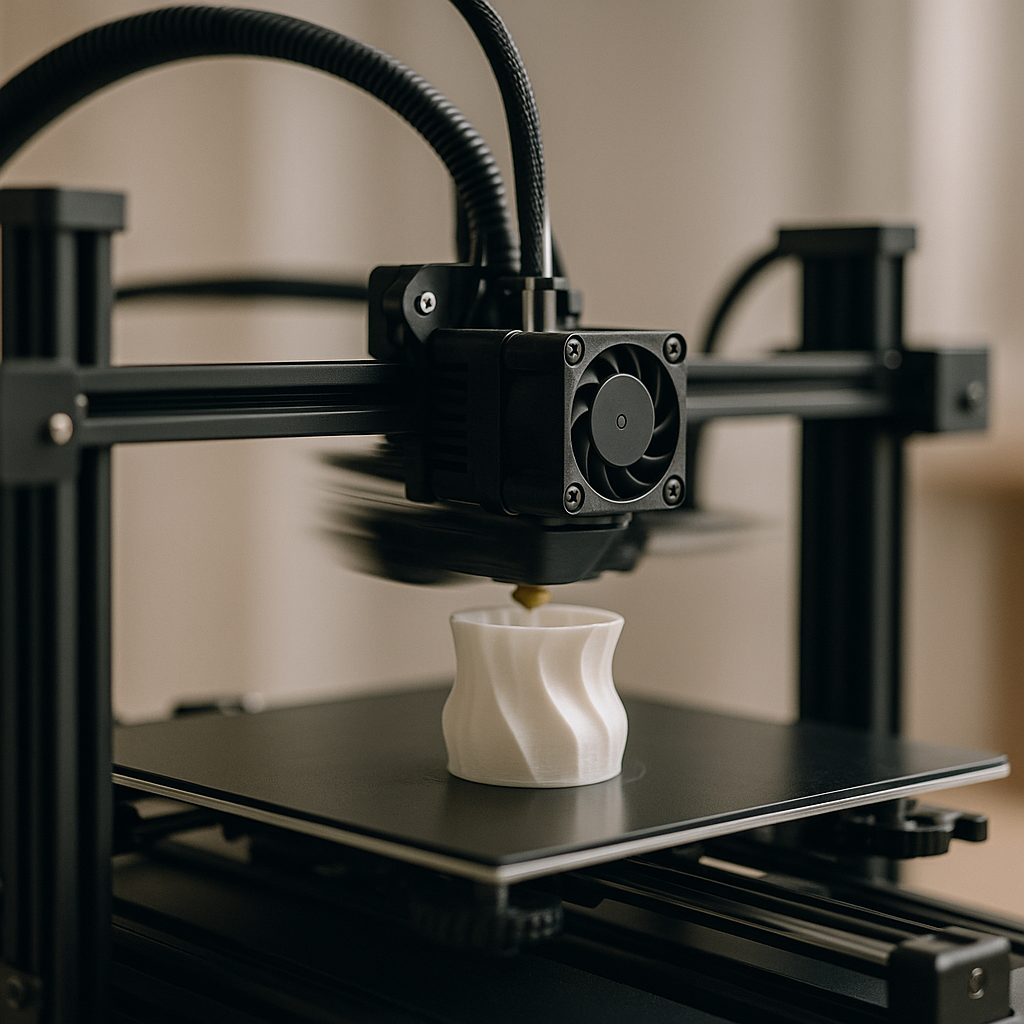
At its heart, polylactic acid is a thermoplastic polyester. The term “thermoplastic” signifies that it can be melted, cooled, and solidified, and then remelted again without significant degradation. Imagine a candle: you can melt the wax, let it harden, and then melt it again. PLA behaves similarly, which is precisely what makes it suitable for Fused Deposition Modeling (FDM) 3D printing. The printer’s hotend melts the filament, the extruder deposits it layer by layer, and it rapidly cools to form a solid object.
The “polyester” part of its name refers to its chemical structure. It is a polymer, meaning it is composed of long, repeating chains of smaller molecules called monomers. In this case, the monomer is lactic acid. You might recognize lactic acid as the compound that causes muscle soreness after intense exercise. For industrial production, however, this lactic acid is derived from the fermentation of carbohydrate-rich plant sources, most commonly corn starch, sugarcane, or tapioca roots (Farah et al., 2016). This organic origin distinguishes PLA from most other common plastics, like Acrylonitrile Butadiene Styrene (ABS), which are derived from petroleum. This distinction is not merely academic; it has profound implications for the material’s properties and environmental footprint.
The Ethical Dimension: Why PLA’s Biodegradability Matters
One of the most frequently touted benefits of PLA is its biodegradability. This claim, while true under specific conditions, requires careful and nuanced examination. Because it is derived from plant matter, PLA can be broken down by microorganisms back into its natural components: water, carbon dioxide, and biomass. This process, however, does not happen in a backyard compost heap or a landfill. It requires the high temperatures and specific microbial conditions of an industrial composting facility (Saini et al., 2021).
So, what does this mean for the conscientious user? It means that while PLA offers a significant environmental advantage over petroleum-based plastics by originating from a renewable resource and reducing reliance on fossil fuels, its end-of-life disposal is not as simple as tossing a failed print into your garden. The ethical dimension of PLA shopping involves recognizing this complexity. Choosing PLA is a step toward sustainability, yet it also invites a responsibility to advocate for and utilize proper industrial composting infrastructure where available. It is a choice that aligns with a future of circular economies, even if the practicalities of that future are still developing.
From Organic Matter to Filament: The Manufacturing Process Explained
The journey from a cornfield to a spool of 3D printing filament is a marvel of industrial chemistry and precision engineering. It generally follows these steps:
- Harvesting and Fermentation: A carbohydrate source like corn is harvested. The corn kernels are processed to extract the starch. Microorganisms are then introduced to ferment this starch, converting the dextrose (a sugar) into lactic acid.
- Polymerization: The lactic acid is then converted into a high-molecular-weight polymer through a chemical process. This process links the individual lactic acid molecules into the long chains that form polylactic acid. The result is small plastic pellets or resin, which serve as the raw material for countless products, including filament.
- Extrusion: This is where the filament itself is born. The PLA resin pellets are dried to remove any moisture, which is a mortal enemy of good filament. They are then fed into an extruder. Inside the extruder, the pellets are heated to their melting point and forced through a precision-machined die. This die shapes the molten plastic into a continuous, round strand of a specific diameter (typically 1.75mm or 2.85mm).
- Cooling and Measurement: As the filament exits the die, it immediately enters a cooling bath or is cooled by air. This rapid cooling solidifies the filament while maintaining its shape. Immediately after cooling, the filament passes through a laser measurement system. This system continuously monitors the diameter and ovality of the filament in real-time, providing crucial data for quality control.
- Spooling: Finally, the finished, quality-checked filament is wound onto a spool. The spooling must be perfectly tensioned and layered to prevent any knots or tangles that could cause a print to fail hours into the job.
Understanding this process illuminates why factors like diameter consistency and moisture content are so vital. A flaw at any stage—impure resin, improper drying, a worn-out die, or sloppy spooling—will inevitably manifest as a problem on your print bed.
Factor 1: Mastering Material Specifications – The Technical Trinity
When you begin your PLA shopping, you will be confronted with a list of technical specifications. For the novice, this can be intimidating. For the expert, it is the most important information on the page. Three of these specifications form a “technical trinity” that dictates over 90% of a filament’s reliability: diameter tolerance, ovality, and spooling quality. Neglecting these in favor of a flashy color or a low price is the single most common mistake a user can make. These are the non-negotiable foundations of successful printing.
Diameter Tolerance: The Cornerstone of Consistent Extrusion
Imagine you are a baker carefully piping frosting onto a cake. You expect a consistent, even flow from the piping bag to create your design. Now, imagine the nozzle of your piping bag is randomly shrinking and expanding. Your beautiful, smooth lines would become a lumpy, uneven mess. This is precisely what happens inside your 3D printer when the filament diameter is inconsistent.
Your printer’s slicer software calculates the exact volume of material that needs to be extruded for every single line of your print. It bases this calculation on the assumption that the filament diameter is constant (e.g., 1.75mm). If the filament suddenly becomes thicker (say, 1.80mm), the extruder will push through too much material, leading to over-extrusion, blobs, and loss of detail. If the filament becomes thinner (e.g., 1.70mm), it will push through too little material, causing under-extrusion, weak layer adhesion, gaps, and a fragile part.
Diameter tolerance is the manufacturer’s promise of how much this diameter will vary. A tolerance of ±0.05mm on a 1.75mm filament means the diameter could be anywhere from 1.70mm to 1.80mm. This is a huge range and is typical of low-quality, budget filaments. In contrast, a high-quality filament will advertise a tolerance of ±0.03mm or, even better, ±0.02mm. This guarantees a much more consistent flow rate, which is the bedrock of a high-quality print. When PLA shopping, making a tight diameter tolerance your top priority is a wise decision.
| Tolerance Specification | Minimum Diameter (1.75mm) | Maximum Diameter (1.75mm) | Potential Print Impact | Ideal Use Case |
|---|---|---|---|---|
| ±0.05mm | 1.70mm | 1.80mm | Visible inconsistency, blobs, gaps, potential jams | Not recommended for detailed or functional prints |
| ±0.03mm | 1.72mm | 1.78mm | Good quality, reliable for most applications | Hobbyist and professional general-purpose printing |
| ±0.02mm | 1.73mm | 1.77mm | Excellent consistency, superior surface finish | High-speed printing, precision engineering parts |
Ovality: The Unseen Enemy of Print Quality
Closely related to diameter tolerance is ovality, or how round the filament is. A perfect filament is a perfect circle in cross-section. A poor-quality filament might be slightly oval-shaped. Why does this matter? Your printer’s extruder gear and the path through the hotend are designed for a round filament. An oval filament can cause inconsistent feeding pressure as it rotates. More critically, its diameter will change depending on its orientation. The laser measurement system might read 1.75mm along its wide axis but it could be 1.70mm on its narrow axis. This introduces another variable that disrupts the steady flow of material. Reputable manufacturers who invest in high-quality extrusion and cooling systems can minimize ovality. While it is not always explicitly listed as a specification, it is an inherent part of achieving a tight diameter tolerance. A manufacturer that can hold a ±0.02mm tolerance is almost certainly producing a very round filament.
Spooling Quality: Avoiding Tangles and Print Failures
You could have the most dimensionally accurate filament in the world, but if it is spooled improperly, it is worthless. There is no greater frustration in 3D printing than returning to a 12-hour print only to find it failed at the 8-hour mark because the filament was tangled on the spool. The printer continues to try to pull the filament, but the knot prevents it from feeding. The hotend stops extruding, and the printer continues its movements in mid-air, creating a “print” of nothing but wasted time and electricity.
Good spooling is an active, automated process. The filament is wound onto the spool under consistent tension and with a precise, side-to-side motion that lays each coil neatly next to the previous one. There should be no overlapping strands or loose loops that can snag later. When you receive a new spool, inspect it. The windings should look clean, tight, and orderly, almost like a perfectly wound spool of thread. If you see loose strands, crossovers, or a generally messy appearance, it is a red flag for the manufacturer’s overall attention to detail.
Factor 2: Purity and Additives – What’s Really in Your Filament?
A spool of PLA filament is rarely just 100% pure polylactic acid. The base resin is almost always mixed with other substances to achieve specific colors, improve printing characteristics, or enhance mechanical properties. Understanding the nature of the base resin and the types of additives used is the next layer of sophistication in your PLA shopping strategy. It is akin to a chef knowing the source of their flour and the quality of their spices. The final dish depends on the quality of every single ingredient.
Virgin Resin vs. Recycled Content: A Cost-Benefit Analysis
The PLA resin pellets used to make filament can come from two sources: virgin resin or recycled material.
- Virgin Resin: This is PLA made directly from the polymerization of lactic acid, as described earlier. It is pure, consistent, and has predictable properties. Manufacturers of high-end filaments almost exclusively use 100% virgin resin because it provides the best possible foundation for a quality product. It is the only way to guarantee batch-to-batch consistency in color and performance.
- Recycled Content: Some manufacturers, often in an effort to be more eco-friendly or to cut costs, use recycled PLA. This could come from post-industrial waste (scraps from other manufacturing processes) or even post-consumer waste (old 3D prints). While the environmental intention can be laudable, recycled content introduces significant variability. The recycled material may contain traces of other colors, different additives from its previous life, or have undergone some thermal degradation. This can lead to inconsistent extrusion, unexpected color shifts, and weaker parts (Vidakis et al., 2023).
Some companies offer specific lines of recycled filament, clearly labeling them as such. This transparency allows the user to make an informed choice, perhaps accepting some variability for non-critical parts in exchange for a lower cost. The problem arises when manufacturers use recycled content without disclosing it, leading to unpredictable results from what is advertised as a premium product. For critical applications, PLA shopping should always favor filaments advertised as being made from 100% virgin resin.
Colorants and Their Effect on Printing Properties
The vibrant rainbow of filament colors available is achieved by mixing small amounts of pigments or dyes into the base PLA resin before extrusion. It is a common misconception that these colorants are inert. In reality, they can have a noticeable effect on the filament’s properties.
For example, the pigments used for opaque colors, like white or black, are often based on minerals like titanium dioxide and carbon black. These are fine solid particles. Their inclusion can slightly alter the material’s melting temperature and flow characteristics. Some users find that white or black PLA requires a slightly higher printing temperature (perhaps 5°C hotter) than a translucent or “natural” unpigmented PLA from the same brand to achieve the same surface finish and layer adhesion. Similarly, some metallic or glitter effects are achieved by adding fine metallic flakes or polymer particles, which can increase the abrasiveness of the filament. While not as aggressive as carbon fiber, they can still cause slightly accelerated wear on a standard brass nozzle over hundreds of printing hours. This is not a reason to avoid these colors, but it is a factor to be aware of. A discerning user will be prepared to slightly tweak their print settings when switching between dramatically different colors, even within the same brand.
The Role of Additives in Modifying PLA Performance
Beyond colorants, manufacturers use a sophisticated cocktail of additives to create enhanced versions of PLA. These are not impurities; they are deliberate additions designed to overcome some of standard PLA’s inherent weaknesses, such as its brittleness or low heat resistance. When you see terms like “PLA+”, “Tough PLA,” or “Pro PLA,” you are looking at a PLA that has been chemically modified.
These additives can be impact modifiers, which are rubbery polymers that intersperse within the PLA matrix to absorb energy and prevent fractures, making the material less brittle. They can be plasticizers, which increase flexibility. Or they can be nucleating agents, which help control the crystal structure of the PLA as it cools, potentially improving its strength and heat resistance. The exact “recipe” is a closely guarded trade secret for each manufacturer. This is why two different brands of “PLA+” can have noticeably different properties. One might be tougher, while another might have a better surface finish. This is where relying on independent reviews and testing becomes invaluable for the PLA shopping process.
Factor 3: Choosing the Right PLA Variant for Your Project
The days of PLA being a single, one-size-fits-all material are long gone. The modern PLA market is a diverse ecosystem of specialized variants, each tailored for a specific purpose. Choosing the right type of PLA is as important as choosing the right tool for a job. You would not use a sledgehammer to hang a picture frame, and you should not use a decorative Silk PLA for a structural bracket. A thoughtful PLA shopping approach involves matching the material’s properties to the project’s demands.
| PLA Variant | Key Characteristics | Best For | Potential Downsides |
|---|---|---|---|
| Standard PLA | Easy to print, rigid, good detail | Visual prototypes, decorative objects, toys | Brittle, low impact and heat resistance |
| PLA+ / Tough PLA | Improved layer adhesion, higher impact strength | Functional parts, jigs, fixtures, snap-fit items | Slightly higher cost, properties vary by brand |
| Silk PLA | High gloss, shiny surface finish | Vases, trophies, artistic models, cosplay items | Can be weaker, may show layer lines more easily |
| Matte PLA | Non-reflective, textured finish | Architectural models, professional prototypes | Can hide fine details, may be more abrasive |
| Carbon Fiber PLA | Very high stiffness, lightweight, matte finish | Drone frames, robotic arms, automotive parts | Abrasive (requires hardened nozzle), more brittle |
Standard PLA: The All-Rounder for Everyday Prints
Standard PLA is the workhorse of the 3D printing world. It is known for its ease of use, low warping, and ability to produce objects with fine detail and a slightly glossy finish. It requires no heated bed (though one is recommended for better adhesion) and prints at relatively low temperatures (typically 190-220°C). This makes it the ideal starting point for beginners and a reliable choice for a wide range of applications.
Its primary purpose is for visual models, decorative objects, and prototypes where form is more important than function. Think of tabletop gaming miniatures, architectural models, phone cases, or artistic sculptures. Its main weakness is mechanical: it is quite brittle. If you drop a standard PLA print, it is more likely to shatter than to bend. It also has a low glass transition temperature (around 60°C), meaning it will soften and deform if left in a hot car or in direct sunlight on a summer day.
PLA+ / Tough PLA: Engineering Strength for Functional Parts
When your project needs to withstand mechanical stress, you should turn to “plus” variants. PLA+, often called Tough PLA or Pro PLA, is a formulation designed to address the brittleness of standard PLA. Through the use of proprietary additives, manufacturers create a material with significantly better layer adhesion and impact strength. A part printed in high-strength PLA+ variants can often withstand bending and impacts that would instantly break its standard PLA counterpart.
This makes PLA+ an excellent choice for functional parts: brackets, enclosures for electronics, jigs and fixtures for a workshop, or parts with snap-fit features. It bridges the gap between the ease of printing of PLA and the mechanical performance of more challenging materials like PETG or ABS. While the exact properties can vary between brands like Polymaker or eSun (Xometry, n.d.), the general principle is a move from a purely visual material to one capable of light-duty engineering tasks. The slight increase in cost is almost always justified by the dramatic increase in durability.
Silk, Matte, and Aesthetic PLAs: When Appearance is Paramount
A significant portion of 3D printing is focused on aesthetics, and a whole category of PLA variants exists to serve this need.
- Silk PLA: This popular variant contains elastomeric additives that create an incredibly smooth, glossy, and light-reflective surface. It makes prints look almost like they are made of wrapped satin. This effect is fantastic for vases, trophies, and decorative items where the goal is to create a luxurious and eye-catching finish. The trade-off is that these additives can sometimes slightly reduce layer adhesion, making the parts mechanically weaker than standard PLA. The high gloss can also accentuate any minor surface imperfections.
- Matte PLA: In direct contrast to Silk PLA, Matte PLA is formulated to have a non-reflective, textured, or frosted surface. This look is highly valued for professional applications like architectural models or product prototypes, as it hides layer lines very effectively and gives the object a clean, uniform appearance. Some matte filaments achieve this finish through the inclusion of microscopic mineral particles, which can make them slightly more abrasive to nozzles than standard PLA.
- Other Aesthetics: The market is filled with other creative options. “Sparkle” or “Glitter” PLA contains fine polymer flakes. “Marble” PLA has dark specks mixed into a light base to simulate stone. “Rainbow” PLA transitions through multiple colors on a single spool. These are all designed for visual appeal and are excellent choices for projects where the primary goal is artistic expression.
Fiber-Reinforced PLA (Carbon Fiber, Glass Fiber): For High-Stiffness Applications
For applications demanding maximum stiffness and rigidity, fiber-reinforced PLAs are the ultimate choice.
- Carbon Fiber PLA (PLA-CF): This composite material is made by mixing small, chopped carbon fibers into the PLA base resin. The resulting filament produces parts that are incredibly stiff and lightweight, with a beautiful matte black finish. This makes it ideal for performance-oriented parts like drone frames, components for radio-controlled cars, or robotic parts where flexing is undesirable. The trade-off is significant. Carbon fibers are extremely abrasive and will quickly destroy a standard brass nozzle, often in a matter of hours. Printing PLA-CF requires a hardened steel, ruby, or other wear-resistant nozzle. The fibers also make the filament more brittle; it has high stiffness but can snap under sharp impact.
- Glass Fiber PLA (PLA-GF): Similar to PLA-CF, this variant uses chopped glass fibers for reinforcement. It offers a good increase in stiffness and strength over standard PLA, though typically not as much as carbon fiber. It is also abrasive and requires a hardened nozzle. Its main advantage is often a lower cost compared to PLA-CF, offering a good middle ground for those needing enhanced mechanical properties. Materials like the ASA-X GF10 from demonstrate the principles of glass fiber reinforcement, even in a different base polymer.
Factor 4: The Manufacturer’s Reputation and Certifications
In a global market flooded with options, how can you trust that the filament you are buying is what the seller claims it is? A low price on an anonymous marketplace can be tempting, but without a reputable manufacturer standing behind the product, you are engaging in a gamble. A manufacturer’s reputation is not built on slick marketing, but on a demonstrable commitment to quality, consistency, and safety. This commitment is made tangible through internationally recognized certifications and transparent customer feedback.
ISO 9001: A Commitment to Process Control
When a manufacturer states they are ISO 9001:2015 certified, it is not just a piece of jargon. It is a powerful statement about their entire operational philosophy. The ISO 9001 standard does not certify the product itself; it certifies the quality management system (QMS) that produces the product.
To achieve this certification, a company must prove to an independent auditor that they have robust, repeatable processes for everything from sourcing raw materials to production, testing, and customer service. This includes:
- Process Documentation: Every step of the manufacturing process is documented.
- Quality Control: There are defined checkpoints for quality, such as the continuous laser-micrometer monitoring of filament diameter. Records of these checks are maintained.
- Traceability: A certified manufacturer can trace a specific spool of filament back to the exact production batch and the raw materials used. If a problem is found, they can isolate it effectively.
- Continuous Improvement: The system requires the company to constantly monitor its processes and seek ways to improve them.
For a PLA shopping decision, an ISO 9001 certification is a strong indicator that the manufacturer is serious about consistency. It means you are less likely to receive a “bad batch” because their system is designed to catch deviations before the product ever ships. It provides a level of assurance that simply cannot be matched by a non-certified competitor.
RoHS and FDA Compliance: Ensuring Material Safety
Beyond process control, material safety is a paramount concern, especially for prints that may come into contact with food or skin.
- RoHS (Restriction of Hazardous Substances): This is a European Union directive that restricts the use of specific hazardous materials found in electrical and electronic products. These include lead, mercury, cadmium, and others. While a spool of filament is not an electronic device, conscientious manufacturers have their raw materials tested to ensure they are RoHS compliant. This guarantees that the filament does not contain these harmful substances, making it safer to handle and use, especially in home or school environments where air quality is a concern.
- FDA (Food and Drug Administration) Compliance: This is a more specific and often misunderstood term. For a plastic to be “FDA compliant for food contact,” the raw resin and any additives (like colorants) must be on the FDA’s list of approved substances. This does not automatically make a 3D-printed object food-safe. The FDM printing process itself creates microscopic layer lines and voids where bacteria can grow and are difficult to clean. Furthermore, the filament passes through a brass nozzle and other components that are not food-grade. However, starting with an FDA-compliant filament is a necessary first step if you intend to create objects like cookie cutters or food molds that will have brief, non-heated contact with food. It ensures the material itself will not leach harmful chemicals.
Reading Customer Reviews and Community Feedback
Certifications provide a baseline of trust, but the real-world performance of a filament is best understood by listening to the community. Before committing to a large purchase from a new brand, take the time to research what other users are saying.
Look beyond the simple star ratings on e-commerce sites. Read the detailed reviews. Are users posting pictures of their successful prints? Do they mention specific details, like the print settings they used or how the color compared to the advertisement? Look for patterns. If multiple reviewers mention that a specific color is brittle or that spools frequently arrive tangled, take it seriously.
Also, engage with dedicated 3D printing communities on platforms like Reddit (e.g., r/3Dprinting), forums, and Facebook groups. These are places where experienced users share their honest, unsponsored opinions. You can ask questions like, “Has anyone used Brand X’s Silk Blue PLA? How does it compare to Brand Y’s?” The feedback you receive from these communities is often more nuanced and reliable than curated testimonials on a product page. This communal due diligence is a vital part of modern, informed PLA shopping.
Factor 5: Cost vs. Value – A Nuanced Economic Calculation
It is tempting to sort your PLA shopping results by “Price: Low to High” and pick the cheapest option. This, however, is a classic false economy. The sticker price of a spool of filament is only one part of a much larger equation. The true cost of a filament is a function of its price, its reliability, and the value of your time. A sophisticated consumer understands that the goal is not to find the cheapest filament, but the one that offers the best overall value.
The Perils of “Too-Good-To-Be-True” Pricing
If a 1kg spool of PLA is priced significantly lower than the market average (which in 2026 is typically around $15-$25 for standard PLA), you should be immediately skeptical. To achieve such a low price, the manufacturer had to cut corners somewhere. Where might those cuts be?
- Raw Materials: They are likely using cheap, inconsistent, or undisclosed recycled resin instead of 100% virgin polymer.
- Quality Control: They are probably not using expensive, real-time laser measurement systems, resulting in poor diameter tolerance. The savings on equipment and personnel are passed to you, along with the resulting print failures.
- Additives and Pigments: They may use cheap, low-grade colorants that can lead to clogs or poor color consistency between batches.
- Drying and Packaging: The filament may not have been properly dried before spooling, and the vacuum-sealed bag may be thin or have a weak seal, leaving the filament vulnerable to moisture.
A $10 spool of filament that causes even one failed 10-hour print has not saved you money. You have lost the material used in the failed print, the electricity consumed, and 10 hours of your time and your printer’s operational life. The frustration and project delays are an additional, unquantifiable cost.
Calculating the True Cost: Factoring in Failed Prints
Let’s perform a simple thought experiment.
- Filament A (Budget): Costs $12 per 1kg spool. Due to poor diameter tolerance and moisture, it has a 15% failure rate on prints longer than 5 hours.
- Filament B (Quality): Costs $22 per 1kg spool. It is from an ISO 9001 certified manufacturer with a ±0.02mm tolerance and is perfectly dried and sealed. It has a 1% failure rate.
Imagine you are printing a 200g model that takes 8 hours. With Filament A, you have a 15% chance of failure. Over the course of using the whole spool (five 200g prints), it is highly likely at least one print will fail. Let’s say one fails. You have now used 400g of filament and 16 hours of print time to get two successful models. The effective cost for those two models is not just the cost of the filament used (400g = $4.80), but also the wasted time and the frustration.
With Filament B, the chance of a filament-related failure is negligible. You print five models and get five successful outcomes. You have used 1000g of filament ($22) and 40 hours of print time. Your cost per successful model is clear and predictable.
The peace of mind that comes from knowing you can start a long print and walk away with confidence is a value that far exceeds the $10 price difference on the spool. The best value is found in reliability.
Bulk Purchasing and OEM Partnerships: A Strategy for Scalability
For businesses, schools, or serious hobbyists who use a large amount of filament, the economic calculation shifts toward economies of scale. Purchasing single spools from retailers is inefficient. This is where direct relationships with manufacturers become advantageous.
- Bulk Purchasing: Most manufacturers offer significant discounts for buying filament by the case (e.g., 10 or 12 spools) instead of individually. This is the simplest way to lower your per-kilogram cost without sacrificing quality. If you have a favorite, reliable filament, buying in bulk is a financially sound strategy. Many brands offer bulk pricing.
- OEM/ODM Partnerships: For the ultimate in scalability and customization, partnering with an Original Equipment Manufacturer (OEM) or Original Design Manufacturer (ODM) is the solution. An OEM partner like SigmaFilament can produce high-quality filament and package it with your own brand’s labels on the spool and box. This is ideal for subscription box services, 3D printer manufacturers who want to bundle filament with their machines, or large retail operations. An ODM partnership goes a step further, allowing you to work with the manufacturer’s R&D team to develop custom colors (matched to Pantone or RAL standards) or even entirely new filament formulations with specific properties. This allows a business to procure a supply of cost-effective bulk PLA that is perfectly tailored to their needs and brand identity, creating a unique and reliable product for their customers.
Factor 6: Spool and Packaging Considerations
The filament itself is the star of the show, but the supporting cast—the spool it is wound on and the packaging it arrives in—plays a critical role in the overall user experience and the longevity of the material. In recent years, there has been significant innovation in this area, driven by both environmental concerns and the demands of new printer technologies. A savvy PLA shopping process includes a careful look at these often-overlooked details.
The Shift to Eco-Friendly Packaging: Cardboard Spools and Refills
Traditionally, filament has been sold on hard plastic spools. While durable, these spools contribute to a significant amount of plastic waste, as most are discarded after a single use. In response to growing environmental awareness, many leading manufacturers are now transitioning to more sustainable options.
- Cardboard Spools: The most common solution is to use spools made from recycled cardboard. These spools are sturdy enough to protect the filament during shipping and use, and they can be easily recycled or composted after the filament is gone. Brands like Polymaker with their PolyTerra line have been pioneers in this area.
- MasterSpool / Refill Coils: An even more innovative approach is the “refill” system. Here, the manufacturer sells only the coil of filament, held together with zip ties, without any central spool. The user prints a reusable, multi-part “MasterSpool” and simply loads the new filament coil onto it. This eliminates spool waste almost entirely. The concept, popularized by RichRap and adopted by various manufacturers, is a testament to the open-source spirit of the 3D printing community. Some companies are designing refill systems specifically compatible with popular printer ecosystems, like the Bambu Lab reusable spool, further reducing friction for the user. When making a PLA shopping choice, opting for a brand that offers these eco-friendly options is a vote for a more sustainable hobby and industry.
Vacuum Sealing and Desiccant: Protecting Your Investment from Moisture
PLA is hygroscopic, which means it readily absorbs moisture from the ambient air. This is perhaps the single greatest enemy of filament quality after it leaves the factory. When moist filament is heated in the printer’s hotend, the trapped water instantly turns to steam, creating tiny, violent explosions. This has several negative effects:
- Popping and Sizzling: You can often hear a distinct crackling or popping sound as the moist filament is extruded.
- Poor Surface Finish: The steam bubbles create a rough, uneven, and sometimes porous surface on the print.
- Weak Layer Adhesion: The steam disrupts the proper bonding between layers, resulting in a significantly weaker, more brittle part.
- Nozzle Clogs: The inconsistent flow and potential for material buildup caused by steam can increase the likelihood of jams.
To combat this, reputable manufacturers package their filament with great care. The spool should be sealed in a thick, high-barrier plastic bag from which all the air has been removed (vacuum-sealed). Inside the bag, there must be a small packet of desiccant, typically silica gel, to absorb any residual moisture trapped inside during packaging. When your filament arrives, the bag should be tightly sealed around the spool. If the bag is loose or looks like it has lost its vacuum, it is a sign that the seal may have been compromised, and the filament has likely been exposed to moisture during shipping or storage.
Spool Dimensions and Compatibility with Modern Systems
Not all spools are created equal. While most 1kg spools adhere to a de facto standard, there can be variations in the overall diameter, width, and arbor (center hole) diameter. For most users who place their spool on a simple roller-style holder, this is not a major issue. However, the rise of sophisticated, multi-material printing systems has made spool compatibility a more important consideration.
Systems like the Bambu Lab Automatic Material System (AMS) are designed to hold and automatically feed from four spools of filament. These systems have specific dimensional constraints. A spool that is too wide or has too large a diameter will simply not fit inside the unit. Manufacturers are becoming increasingly aware of this. Many now explicitly state on their product pages whether their spools are compatible with popular systems like the AMS. When conducting your PLA shopping, if you own or plan to own such a system, verifying spool compatibility before you buy can save you the significant headache of having to respool an entire kilogram of filament by hand.
Factor 7: Navigating the Market – Where to Conduct Your PLA Shopping
You have mastered the technical specifications, understand the different PLA variants, and know what to look for in a manufacturer. The final piece of the puzzle is deciding where to actually purchase your filament. The market offers several avenues, each with its own set of advantages and disadvantages. The right choice depends on your needs, whether you are a hobbyist buying a single spool or a business sourcing a ton of material.
Direct from Manufacturer vs. Resellers: Pros and Cons
- Direct from Manufacturer: Buying directly from the filament maker’s own website often provides the best access to their full range of products, including new releases and specialty items. You are guaranteed to get an authentic product, and you can often find the most detailed technical data sheets and support. For bulk purchases or OEM inquiries, this is the necessary channel. The potential downside can be shipping costs and times, especially if the manufacturer is based overseas.
- Resellers and Specialized Stores: Resellers are companies that buy filament from various manufacturers and sell it through their own online stores. Large, reputable resellers like 3DJake in Europe or MatterHackers in the US offer a curated selection of high-quality brands. The major advantage is convenience. You can compare and buy filaments from multiple manufacturers in a single order. These stores often have local warehouses, leading to faster and cheaper shipping. They also tend to have excellent customer support and can provide advice on which filament is best for your specific printer and project. The downside is that their prices may be slightly higher than buying direct to account for their margin, and they may not carry every single product from a given manufacturer.
Evaluating Online Marketplaces and Specialized Stores
General online marketplaces like Amazon offer an enormous selection and the convenience of fast shipping. However, they also present the greatest risk. The marketplace is filled with countless anonymous brands and third-party sellers, making it difficult to verify quality and authenticity. While reputable brands do sell on Amazon, they are listed alongside low-quality competitors. If you choose to shop on a large marketplace, it is vital to stick to brands with a proven track record and to read reviews with a critical eye.
Specialized 3D printing stores, whether online like the ones mentioned above or a local brick-and-mortar shop, offer a much safer and often more rewarding experience. Their business depends on the quality of the products they sell and the expertise of their staff. They have already done some of the vetting for you by choosing which brands to stock. Building a relationship with a good specialized store can be an invaluable resource for any 3D printing enthusiast.
The Case for a Production Partner: OEM and ODM Services
For businesses, print farms, and educational institutions, the PLA shopping process evolves from retail purchasing to strategic sourcing. The goal is to secure a stable, scalable, and cost-effective supply chain. This is where a direct relationship with a production partner becomes the optimal solution.
An OEM/ODM manufacturer acts as an extension of your own operation. By working directly with a factory that has a high production capacity and stringent quality controls (like ISO 9001 certification), you can eliminate the variability and markups of the retail market. This partnership offers several key advantages:
- Cost Efficiency: Buying directly from the source at wholesale prices dramatically lowers the per-unit cost.
- Consistency: Sourcing from a single, high-quality production line ensures that every spool you receive meets the same exacting standards.
- Customization: The ability to specify custom colors, materials, and branding allows you to create a unique product offering that sets you apart in the market.
- Supply Chain Control: You gain control and visibility over your filament supply, reducing the risk of stockouts and allowing for better long-term planning.
This approach transforms PLA shopping from a series of individual transactions into a strategic partnership that supports growth, quality, and brand identity.
Preparing and Storing Your PLA for Optimal Performance
Your responsibility for the filament does not end once the purchase is complete. Proper handling and storage are essential to ensure that the high-quality material you so carefully selected performs to its full potential. Neglecting this final step can undo all the benefits of a well-informed PLA shopping decision, as even the best filament in the world will print poorly if it is saturated with moisture.
The Critical Importance of Filament Drying
Even with the best vacuum packaging, it is possible for filament to absorb some moisture, either from a tiny leak in the bag or simply from being left out in the open air for too long. For many hobbyists in dry climates, this may not be a frequent issue. However, for those in humid environments or for anyone seeking the absolute best print quality and mechanical strength, drying filament before use is a professional best practice.
A dedicated filament dryer is a small appliance that heats the spool to a specific temperature (for PLA, typically around 45-55°C) for several hours. This gentle heat warms the plastic, causing the trapped water molecules to migrate to the surface and evaporate into the circulating air. The difference can be dramatic. A print that was previously stringy, weak, and had a rough surface can become clean, strong, and smooth after the filament has been properly dried. While you can use a food dehydrator or even a conventional oven (with extreme care and very low temperatures), a purpose-built filament dryer is the safest and most effective method.
Long-Term Storage Solutions for Peak Condition
Once a spool is opened, the clock starts ticking on moisture absorption. If you live in a humid area and do not plan to use the entire spool within a few days, you need a long-term storage solution. The goal is to create a micro-environment with very low relative humidity.
- Resealable Bags with Desiccant: The simplest method is to place the spool back into a large, resealable plastic bag (heavy-duty freezer bags work well) along with a generous amount of desiccant. The original desiccant packet is often not enough. You can purchase rechargeable desiccant beads, which change color when they are saturated and can be “recharged” by baking them in an oven to drive off the moisture.
- Airtight Bins (Dry Boxes): A more robust solution is to use large, airtight plastic storage containers. You can place several spools inside along with a large container of rechargeable desiccant. Adding a cheap digital hygrometer inside the box allows you to monitor the relative humidity and know when your desiccant needs to be recharged. For many users, keeping the humidity inside the box below 20% is a good target.
- Active Dry Boxes: For the ultimate in convenience, you can purchase or build a “dry box” from which you can print directly. This is typically an airtight container that holds the spool and has a small, sealed port through which the filament can be fed to the printer. This ensures the filament remains in a perfectly dry environment from the moment it is stored until the moment it is extruded.
Troubleshooting Common PLA Printing Issues
Even with the highest quality filament and a perfectly tuned printer, problems can occasionally arise. Understanding how to diagnose and solve these issues is the final skill in achieving mastery over the 3D printing process. Many common problems that are often blamed on the printer are, in fact, directly related to the filament or its condition.
Addressing Stringing and Oozing
Stringing, also known as “hairy prints,” refers to the fine, web-like strings of plastic that are left behind as the print head moves between different parts of the model. It is caused by filament oozing out of the nozzle when it is not supposed to be extruding.
- Filament-Related Cause: The most common cause is wet filament. The steam created by moisture in the filament expands and pushes molten plastic out of the nozzle. Before you spend hours adjusting your settings, the very first step should always be to dry your filament or try a brand-new, freshly opened spool.
- Settings-Related Fixes: If the filament is dry, the issue lies in your slicer’s retraction settings. Retraction is a process where the extruder motor quickly pulls the filament backward before a travel move to relieve pressure in the nozzle. You may need to increase your retraction distance (how far it pulls back) or retraction speed (how fast it pulls back).
Solving Poor Bed Adhesion
A successful print starts with a perfect first layer. If the first layer does not stick firmly to the print bed, the print is doomed to fail.
- Filament-Related Cause: While less common with PLA than other materials, some additives or colorants can slightly affect adhesion. More often, the issue is related to temperature. Every filament has an optimal “sticking” temperature.
- Settings-Related Fixes: The solution is almost always related to three things:
- Bed Leveling/Z-Offset: The nozzle must be the correct distance from the bed—not too high, not too low. It needs to gently “squish” the first layer onto the surface.
- Bed Temperature: While PLA can be printed on a cold bed, using a heated bed set to 50-60°C dramatically improves adhesion.
- Cleanliness: The print bed must be perfectly clean. Oils from your fingerprints are enough to prevent PLA from sticking. Clean the bed with isopropyl alcohol before every print. If problems persist, washing it with warm water and dish soap can remove stubborn residue.
Diagnosing and Fixing Clogs
A clogged nozzle is a frustrating event where the filament can no longer pass through the hotend.
- Filament-Related Cause: This is frequently caused by poor quality filament. Debris or impurities within the filament can get stuck in the narrow nozzle opening. Inconsistent diameter is another major culprit; a section of filament that is too thick can become wedged in the heat break. Finally, using abrasive filaments like carbon-fiber PLA without a hardened nozzle will cause rapid wear, which can lead to clogs.
- Troubleshooting Steps: If a clog occurs, you may need to perform a “cold pull” (or “atomic pull”) to clear it. This involves pushing a piece of filament (often Nylon is used for its higher melting point) into the hot nozzle, letting it cool slightly to partially solidify, and then pulling it out sharply. This can often pull the debris or obstruction out with it. If the clog is severe, you may need to disassemble the hotend or replace the nozzle. The best defense against clogs is a proactive offense: use high-quality, dimensionally accurate filament from a reputable source.
Frequently Asked Questions (FAQ)
What is the best filament diameter, 1.75mm or 2.85mm? Neither is inherently “better”; it depends entirely on what your 3D printer is designed to use. The vast majority of consumer and prosumer printers made since around 2018 use 1.75mm filament. 2.85mm (often incorrectly called 3mm) is more common on some older models and certain professional-grade machines like Ultimakers. Using the wrong size will simply not work. Always buy the diameter specified by your printer’s manufacturer.
How can I tell if my PLA filament has absorbed moisture? The most common signs are audible—you will hear a crackling, popping, or hissing sound as the filament is extruded from the hot nozzle. Visually, prints made with wet filament will have a rough, textured, or “fuzzy” surface finish, and you will likely see excessive stringing. The printed part will also be noticeably weaker and more brittle than a part printed with dry filament.
Do I need a hardened nozzle to print all types of PLA? No, you do not. For standard PLA, PLA+, Silk PLA, and most other common variants, a standard brass nozzle is perfectly fine. You only need a hardened steel, ruby, or other wear-resistant nozzle when printing composite filaments that contain abrasive additives, such as carbon fiber, glass fiber, or some “glow-in-the-dark” filaments (which contain strontium aluminate, a very hard powder). Using these abrasive filaments with a brass nozzle will wear it out very quickly.
Is PLA food-safe? This is a complex question. While you can purchase PLA made from FDA-compliant resins, the 3D printing process itself makes achieving true food safety difficult. The layer lines in a print can harbor bacteria, and the filament may pick up contaminants from the printer’s extruder and nozzle, which are not food-grade. For these reasons, 3D-printed PLA objects are generally not recommended for long-term contact with food, especially hot or wet foods. They are, however, often considered acceptable for brief, dry contact, such as for use as a cookie cutter or a stencil for decorating a cake, provided they are washed immediately.
Can I recycle my old PLA prints and failed parts? Theoretically, yes, but practically, it is very difficult for an individual. PLA is recycling type “7,” which is not accepted by most municipal curbside recycling programs. While industrial composting is the ideal end-of-life solution, facilities are not yet widely available. There are some specialized companies and community initiatives that collect and recycle 3D printing waste, but your best bet is to check for local options. The most effective form of “recycling” for a hobbyist is to minimize waste by using high-quality filament to prevent failures in the first place.
Conclusion
Navigating the world of PLA shopping in 2026 is an exercise in critical thinking and technical literacy. It requires moving beyond the superficial allure of a low price or a vibrant color and engaging with the material on a deeper level. By internalizing the seven key factors—understanding material specifications, questioning purity, selecting the appropriate variant, verifying manufacturer credentials, calculating true value, inspecting packaging, and choosing the right purchasing channel—the consumer is empowered. They are no longer a passive buyer but an active participant in a quality-driven process.
This informed approach transforms the relationship with the material. A spool of filament ceases to be a disposable commodity and becomes a trusted partner in creation. The investment in quality filament pays dividends not in dollars saved upfront, but in time saved, frustration avoided, and in the structural integrity and aesthetic quality of the final printed object. A successful print is a symphony of a well-calibrated machine and a high-quality material. By ensuring the latter, you provide a worthy medium for your digital creations to take physical form, reliably and beautifully.
References
- Farah, S., Anderson, D. G., & Langer, R. (2016). Physical and mechanical properties of PLA, and their functions in widespread applications — A comprehensive review. Advanced Drug Delivery Reviews, 107, 367–392.
- Saini, P., Arora, M., & Kumar, M. N. V. R. (2021). Polylactic acid based materials in biomedical applications. In Polymer-based biomaterials (pp. 111-133). Woodhead Publishing.
- Xometry. (n.d.). PLA vs. PLA+: Differences, properties, and comparison guide. Retrieved June 20, 2026, from https://www.xometry.com/resources/3d-printing/pla-vs-pla-plus/
- Protolabs Network. (n.d.). 3D printing with PLA vs. PLA+: What’s the difference? Retrieved June 20, 2026, from https://www.hubs.com/knowledge-base/3d-printing-pla-whats-the-difference/
- Vidakis, N., Petousis, M., Michailidis, N., Grammatikos, S., David, C. N., Mountakis, N., & Kechagias, J. D. (2023). A comprehensive investigation of the mechanical behavior and durability of 3D printed virgin and recycled PLA in various testing scenarios. Sustainability, 15(7), 6245. https://doi.org/10.3390/su15076245
Last reviewed and updated: January 2026. Author: SigmaFilament Engineering Team. For custom filament solutions and wholesale inquiries, contact our team.