








TPU Color Masterbatch — Even Color for Flexible Parts, Without the Stiffening
SigmaFilament TPU color masterbatch is a concentrated pigment system built on a
flexible TPU/elastomer-compatible carrier, formulated for one job that ordinary masterbatch gets
wrong: coloring a soft, elastic material evenly without making it harder. TPU is a
thermoplastic elastomer — its whole value is in how it bends, stretches and rebounds. A colorant
carried on a rigid polymer can introduce micro-stiff zones, raise the effective Shore hardness, and
create weak points where the flexible matrix and a hard inclusion meet. This masterbatch avoids all
of that by carrying the pigment in a material that flexes with the part instead of fighting it.
Compared with raw pigment powders, unstable dry blends, or pre-colored compound you can’t tune,
you meter in a few percent of this masterbatch and get the exact shade you specified — the same shade
on the next run, and the run after that — while the elastomer keeps its softness, elongation and snap.
For flexible 3D printing filament producers, the pigment disperses fully so there are
no agglomerates to clog a nozzle and no stiff specks to crack a thin flexible wall. For
elastomer molders running gaskets, seals, footwear soles and grips, it delivers solid
color with the flex and rebound the application demands.
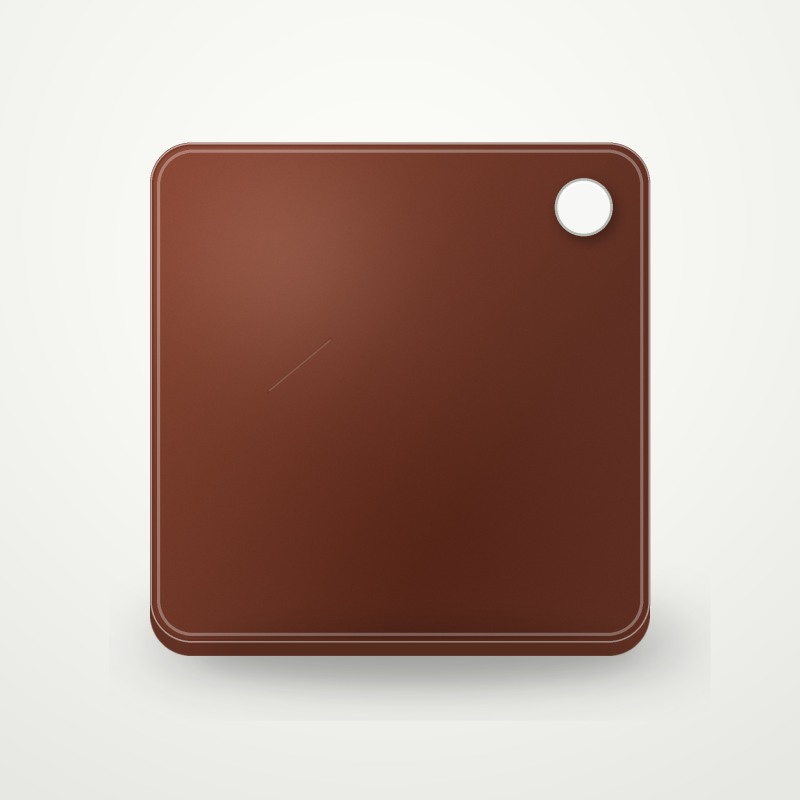
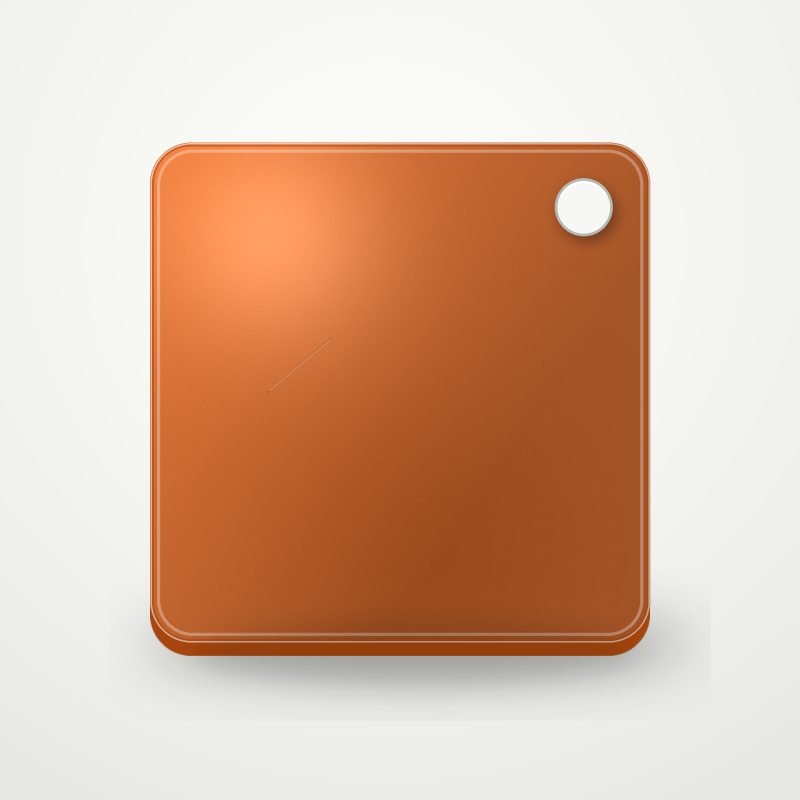
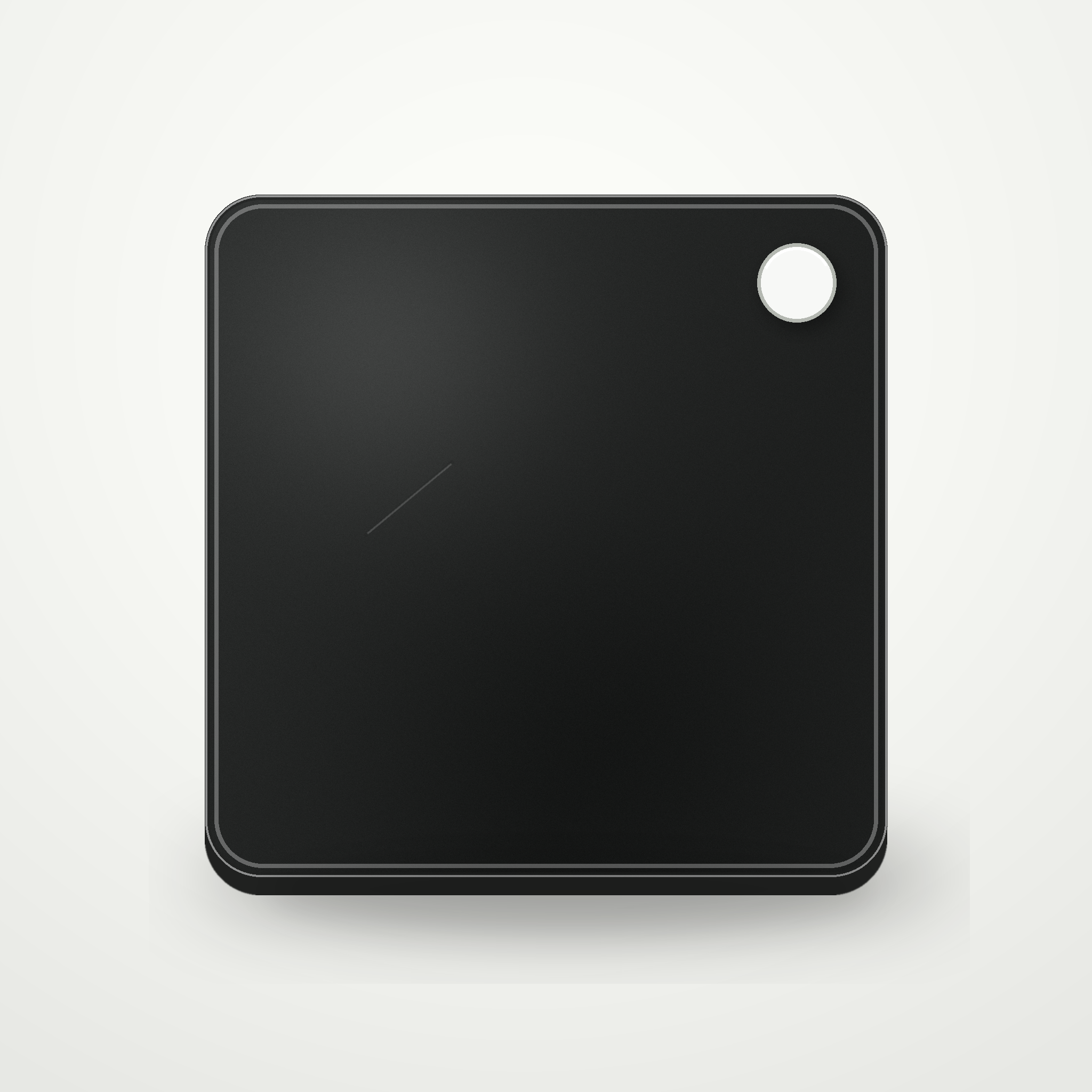
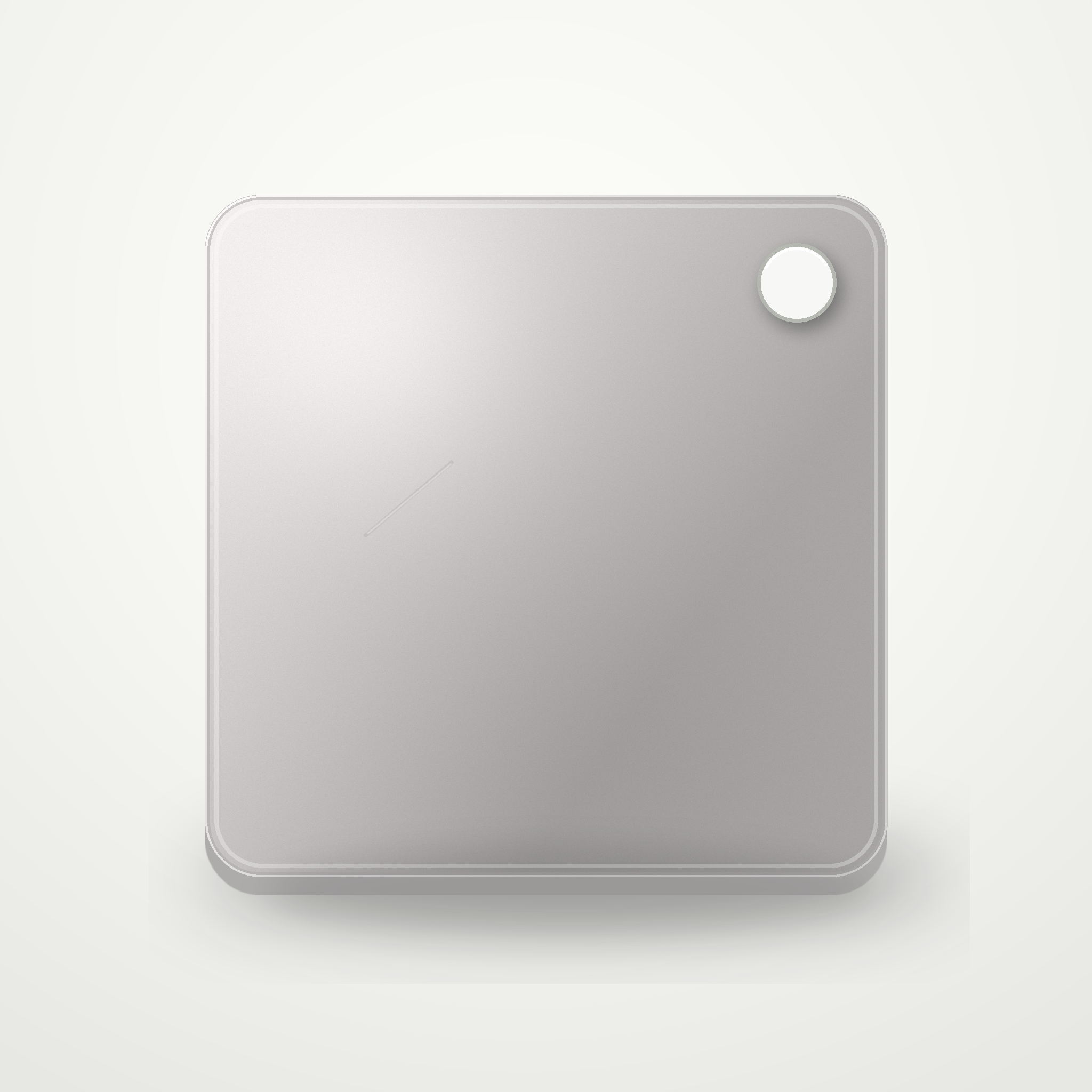
The six colors shown here are our ready-stock basics — but they are only the entry point. As a
manufacturer we hold a much wider color library and match to your physical sample, Pantone, or RAL
reference. Whether you need a single trial batch or a steady production supply, this TPU color
masterbatch is available with wholesale pricing and full
OEM/ODM
services from a direct manufacturer.
Stock Colors — And Many More on Request
These are the six ready-stock shades of this TPU color masterbatch. Select your color from the
variation selector above. Don’t see your shade? Our full library goes much deeper, and we color-match
to your reference.
code, or a finished flexible part. We formulate to match on a flexible carrier and confirm with a
pre-production color chip before your order ships. Contact our team →
The Coloring Problems This Masterbatch Solves
Coloring a flexible elastomer is harder than coloring a rigid plastic, and most color complaints on a
TPU line trace back to a handful of root causes. This TPU color masterbatch is
formulated to take each one off your plate.
| Your Problem | How This Masterbatch Fixes It |
|---|---|
| Color makes the part stiffer / harder | The pigment rides on a flexible TPU/elastomer-compatible carrier, so it blends into the soft matrix without raising Shore hardness or robbing the part of its bend and rebound. |
| Stiff spots & weak points that crack | Pigment is fully pre-dispersed in a compatible carrier — no hard agglomerates or rigid inclusions to act as stress concentrators in a flexing seal, sole or hinge. |
| Uneven color / streaks in soft TPU | TPU is tougher to compound than rigid resins, so dispersion is engineered for the elastomer melt — color develops uniformly across the whole part, even on stretchy thin walls. |
| Moisture defects (bubbles, haze) | TPU and its masterbatch are hygroscopic. We supply sealed, moisture-protected and recommend drying before processing so trapped moisture doesn’t cause bubbles, splay or weak welds. |
| Batch-to-batch color drift | Pigments are pre-weighed and compounded under QC, so each lot lands on the same target. We hold a tight ΔE and keep a retained reference chip for every color. |
| Custom color MOQs are too high | As the manufacturer we keep custom-color MOQs low and flexible — order a trial quantity first, then scale, instead of being forced into multi-tonne minimums. |
Why This TPU Color Masterbatch Stands Out
- Flexible elastomer carrier — the carrier is itself a TPU/elastomer, so at normal dosing it disappears into the part and leaves softness, elongation and Shore hardness essentially untouched.
- Engineered for soft-TPU dispersion — built-in dispersing chemistry breaks pigment down in a demanding elastomer melt, so color is even and there are no hard specks to seed cracks in a flexing part.
- High pigment concentration — a high loading lets you add only ~2%–4% per kilo of TPU, keeping the colorant footprint low so it can’t disrupt the elastomer’s mechanical behavior.
- Thermal stability for TPU temps — pigments are selected to hold their shade through TPU processing temperatures without burning off, yellowing or degrading the polymer.
- Lightfast options for wear items — for footwear, grips and outdoor seals that see daylight and abrasion, we can specify higher-lightfastness pigments so colors don’t fade.
- Manufacturer-direct flexibility — stock colors ship fast; custom colors, special effects and private formulations come straight from our compounding line.
Applications
This TPU color masterbatch is built for parts that have to stay flexible. It suits
the full range of soft-TPU and thermoplastic-elastomer workflows.
| Application | What It Delivers |
|---|---|
| Flexible 3D printing filament | Even, clog-free color through the extruder and spool with no stiff specks — clean flexible prints for your end customers. |
| Phone & device cases, protective covers | Rich, consistent color on soft impact-absorbing cases and covers without hardening the cushioning that protects the device. |
| Gaskets & seals | Color that keeps the sealing surface compliant — no rigid inclusions to break the seal or start a crack under repeated compression. |
| Footwear & insoles | Vibrant, repeatable color on soles, midsoles and insoles while the cushioning and rebound stay exactly as designed. |
| Wearables, grips & vibration dampers | Skin-contact bands, soft grips and dampers stay soft and tactile, with color that survives flexing and abrasion. |
| Flexible hinges & living-hinge parts | Color at the bend point without weakening it — the masterbatch flexes with the hinge instead of cracking across it. |
Masterbatch vs. Other Coloring Methods
| Criteria | Color Masterbatch (this product) | Raw Pigment Powder | Pre-Colored Compound |
|---|---|---|---|
| Effect on flexibility | Flexible carrier — softness held | Risk of stiff spots / weak points | Set by supplier (fixed) |
| Dispersion in soft TPU | Pre-dispersed, even | Streaks/specks in elastomer | Even (locked) |
| Color flexibility | Change color by swapping MB | Flexible but messy | Locked per lot |
| Shop cleanliness | Clean pellets | Airborne dust | Clean |
| Inventory cost | Low — natural TPU + MB | Low | High — stock every color |
| Best for | Flexible filament, seals, footwear | Lab / one-offs | Single fixed color runs |
How to Use — Let-Down Ratio & Dosing
masterbatch by weight (about a 1:25 to 1:50 let-down ratio). With a flexible
elastomer, keeping the loading low and well-dispersed is what protects elasticity —
over-dosing is the fastest way to introduce stiffness and weak points, so add only as much pigment
as the shade truly needs. Lighter/pastel and high-opacity targets may need slightly more; deep
saturated shades often need less. Always confirm on your own equipment with a short trial.
Meter the masterbatch into your natural TPU through a volumetric or gravimetric feeder, or pre-blend
by weight before the hopper. Because TPU and its masterbatch are hygroscopic, dry both
resin and masterbatch before processing — undried material traps moisture that shows up as bubbles,
splay, haze or weak welds in the finished flexible part. For a drying reference, see our
filament dryer settings guide.
flex/elongation check at your chosen let-down ratio during the sample run, then lock that ratio on the
spec sheet. Holding the dosage fixed keeps color identical and the mechanical properties consistent
across production lots.
Technical Characteristics
| Product type | Color masterbatch (pigment concentrate, pellet form) |
| Carrier resin | Flexible TPU / elastomer-compatible carrier (does not raise Shore hardness at normal dosing) |
| Recommended for | TPU and thermoplastic elastomers (flexible / soft grades) |
| Form | Free-flowing pellets / granules |
| Typical let-down ratio | 1:25 – 1:50 (≈2%–4%), color & opacity dependent — keep low to protect flexibility |
| Effect on hardness / flex | Designed to leave Shore hardness, elongation and rebound essentially unchanged |
| Moisture sensitivity | Hygroscopic — keep sealed and dry; dry before processing |
| Opacity | Solid / opaque (basic color series) |
| Stock colors | Black, White, Red, Yellow, Green, Blue — plus full library |
| Custom color | Pantone / RAL / sample matching available |
| Compliance | RoHS & REACH conformant pigment options |
| Packaging | Sealed moisture-protected bags in cartons; bulk options for production volumes |
Custom Color Matching & OEM/ODM
Stock colors cover the basics; your brand probably needs more. As the manufacturer, we run a full
color-matching service on a flexible carrier: send a physical chip, a molded flexible
part, or a Pantone/RAL code, and our lab formulates to match without compromising softness. We confirm
the result with a pre-production color chip and hold a retained reference so every reorder lands on the
same target. For brand owners and resellers, we also offer
OEM/ODM
services — private formulations, custom packaging and white-label supply.
Quality Control & Compliance
Spectrophotometer-verified against a retained master; tight ΔE per lot.
Pressure / filter screening to catch agglomerates that could seed stiff spots in flexible parts.
Compliant pigment options for regulated and consumer markets.
Lot-numbered production with retained samples for every color.
Packaging & Global Shipping
| Region | Logistics |
|---|---|
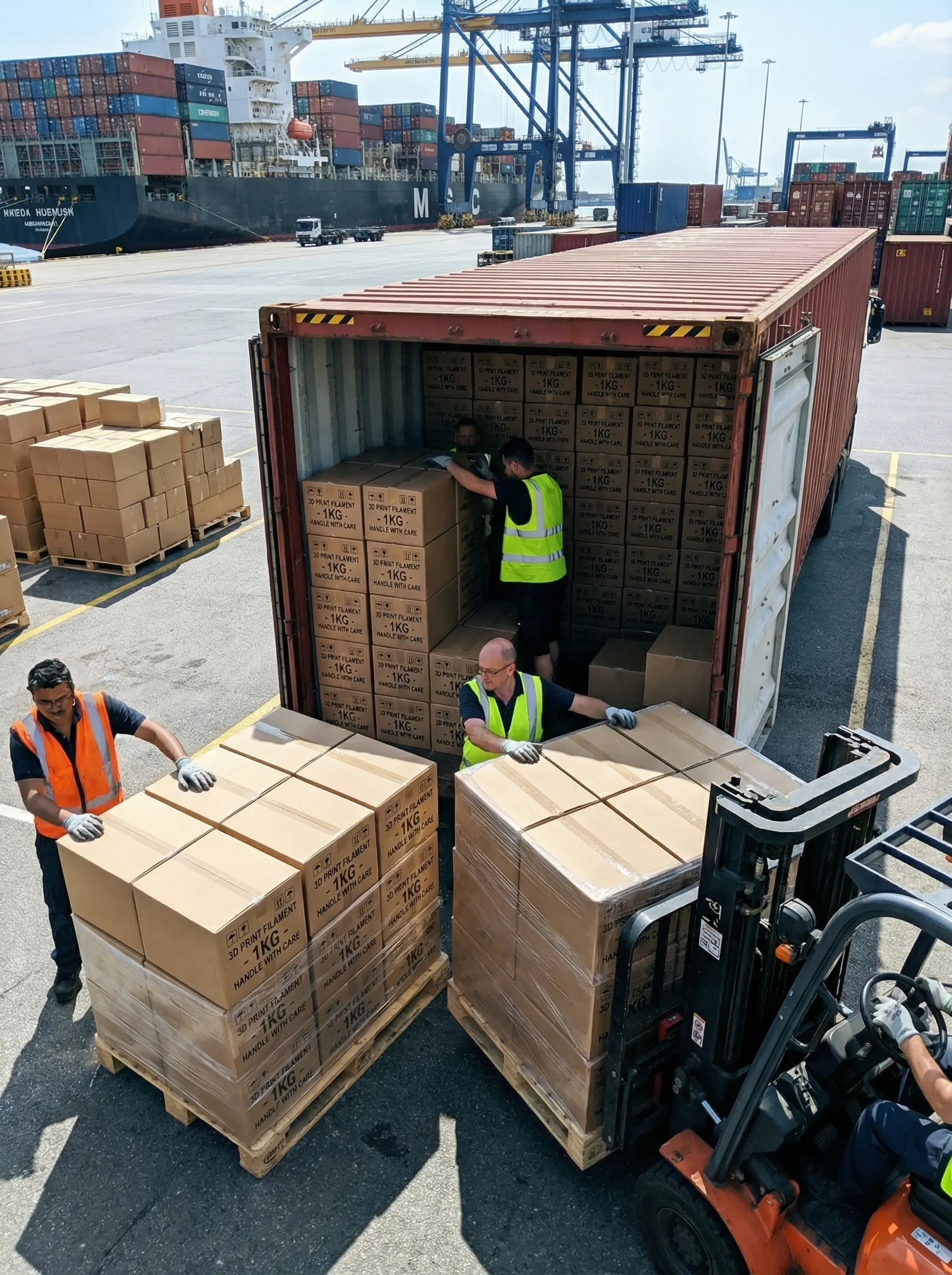
| Asia-Pacific | Express & sea freight; fast lead times from our factory. |
| North America | Air for samples / trial; sea for production volumes. |
| Europe | REACH-conformant options; consolidated freight available. |
| Rest of world | Quoted per destination — contact us for a freight estimate. |
Bulk Orders & Wholesale
From trial kilos to production tonnage, pricing scales with volume. Stock colors are ready to ship;
custom colors carry a low, flexible MOQ so you can validate both shade and flex behavior before
committing to scale. Talk to us about wholesale
contract pricing and recurring supply schedules.
Storage & Handling
- Store in a cool, dry place away from direct sunlight — TPU and its masterbatch are moisture-sensitive.
- Keep bags sealed until use; reseal partially used bags immediately to limit moisture pickup.
- Dry both masterbatch and base TPU before processing to avoid bubbles, splay, haze and weak welds.
- Avoid cross-contamination between colors — purge the feeder/hopper at changeovers.
- Use a dedicated scoop per color to keep light shades clean.
- Rotate stock first-in-first-out for best color consistency over time.
Why Choose SigmaFilament for Color Masterbatch
| Manufacturer-direct | Factory pricing and direct technical contact — no middleman markup. |
| Flexible-material expertise | We make flexible 3D printing filament ourselves, so our TPU masterbatch is proven on real soft-elastomer extrusion lines. |
| Color depth | Stock basics plus a deep library and full custom matching. |
| Low MOQ | Trial-friendly minimums for custom colors — validate before you scale. |
| OEM/ODM ready | Private formulations, custom packaging and white-label supply. |
Frequently Asked Questions
Will this TPU color masterbatch make my part stiffer or change the Shore hardness?
What let-down ratio should I use for flexible TPU?
Does TPU masterbatch need to be dried before processing?
Will it disperse evenly in soft TPU without stiff specks or streaks?
Can you match a specific Pantone, RAL or my existing flexible part color?
Are only these 6 colors available, and what is the MOQ?
Request the full color library, a custom match on a flexible carrier, or wholesale & OEM/ODM pricing from a direct manufacturer.
| Color | Black ,White ,Red ,Yellow ,Green ,Blue |
|---|