




PLA Gradient Masterbatch — Smooth Dual-Color Change in a Single Print
SigmaFilament PLA gradient masterbatch is a dual-color pigment concentrate that
makes a single filament — and therefore a single print — fade gradually from one hue to another along
its length. Instead of swapping spools mid-print, hand-painting finished parts, or running a costly
multi-material AMS setup, you meter one masterbatch into your line and the color shifts on its own as
the filament extrudes. The result is a clean ombre color-change effect that walks up the height of a
vase, a sculpture, or a display model with no seam where one color stops and the next begins.
The thing that separates a good gradient masterbatch from a gimmick is control.
The transition — how long the fade takes, where it starts, where it lands — is engineered during
compounding, not left to chance. We build the color-change cycle into the concentrate so that the same
recipe produces the same fade, spool after spool. That repeatability is what lets a maker sell a
consistent product instead of a one-off surprise, and it is exactly where loose dye dips and DIY
blending fall apart. Built on a PLA-compatible carrier, this PLA gradient masterbatch
keeps PLA’s easy-printing, vivid, low-warp character while adding the color-change magic on top.
It is worth being precise about what a gradient masterbatch is and is not. It is not a thermochromic
or UV-reactive pigment that changes color with heat or light after printing — the color shift here is
positional, fixed permanently along the filament as it is made, so a tall print shows
the start color at its base and the end color at its top with the blend in between. It is also not a
loose dye you steep filament in, which gives an uneven, unrepeatable surface stain that flakes or rubs;
the color in this product runs all the way through the cross-section because it is compounded into the
polymer. That through-color is what keeps the fade looking clean on overhangs, infill show-through and
cut or sanded surfaces.
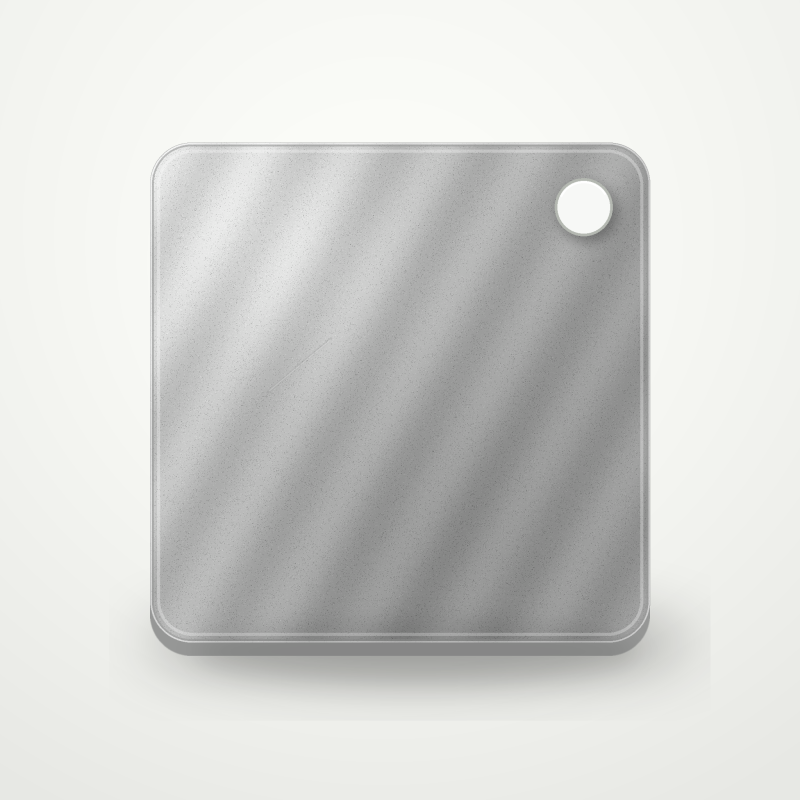
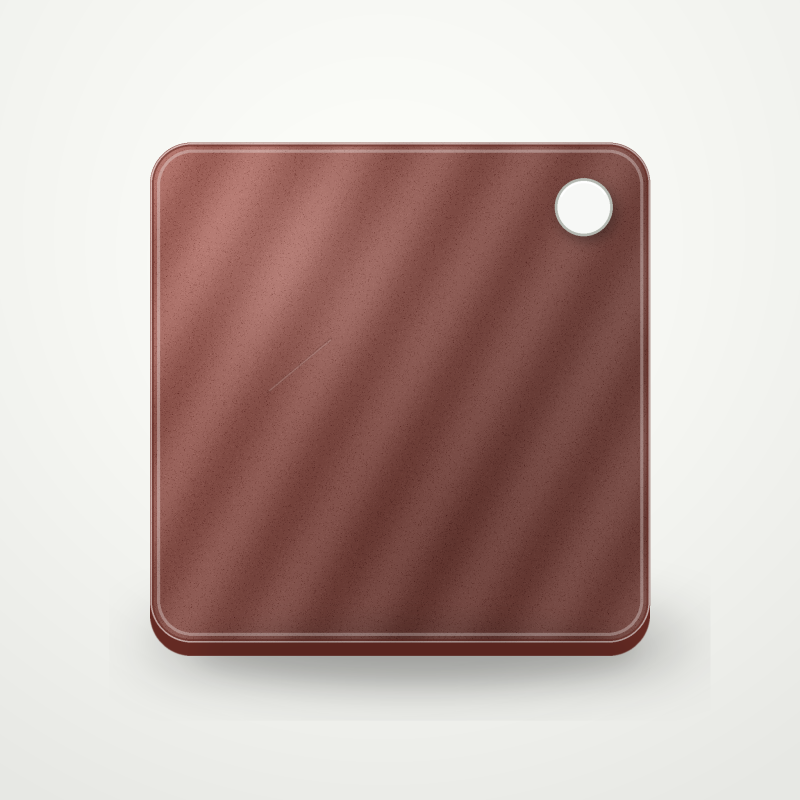
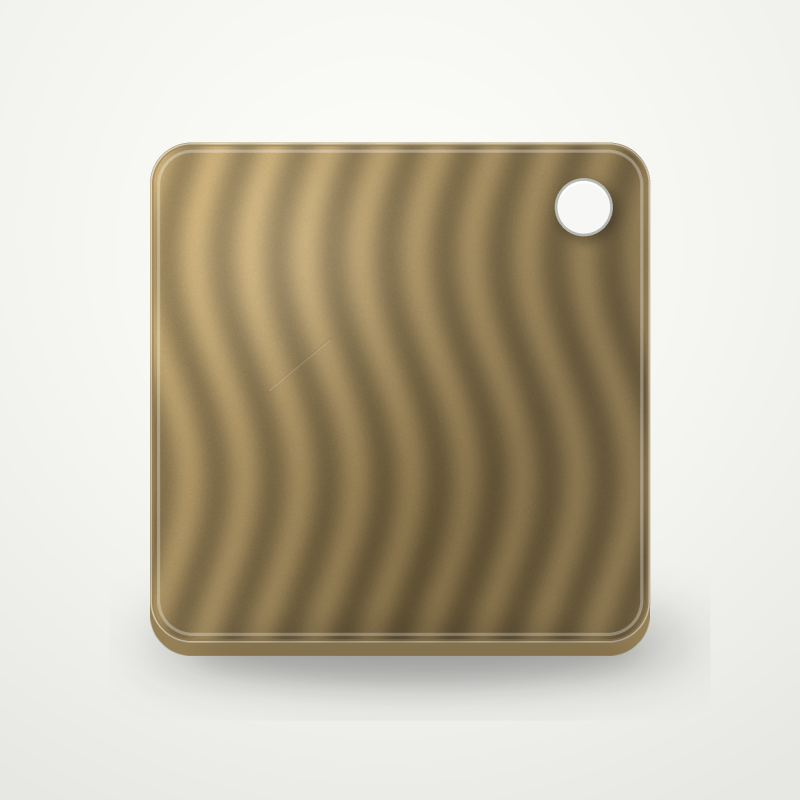
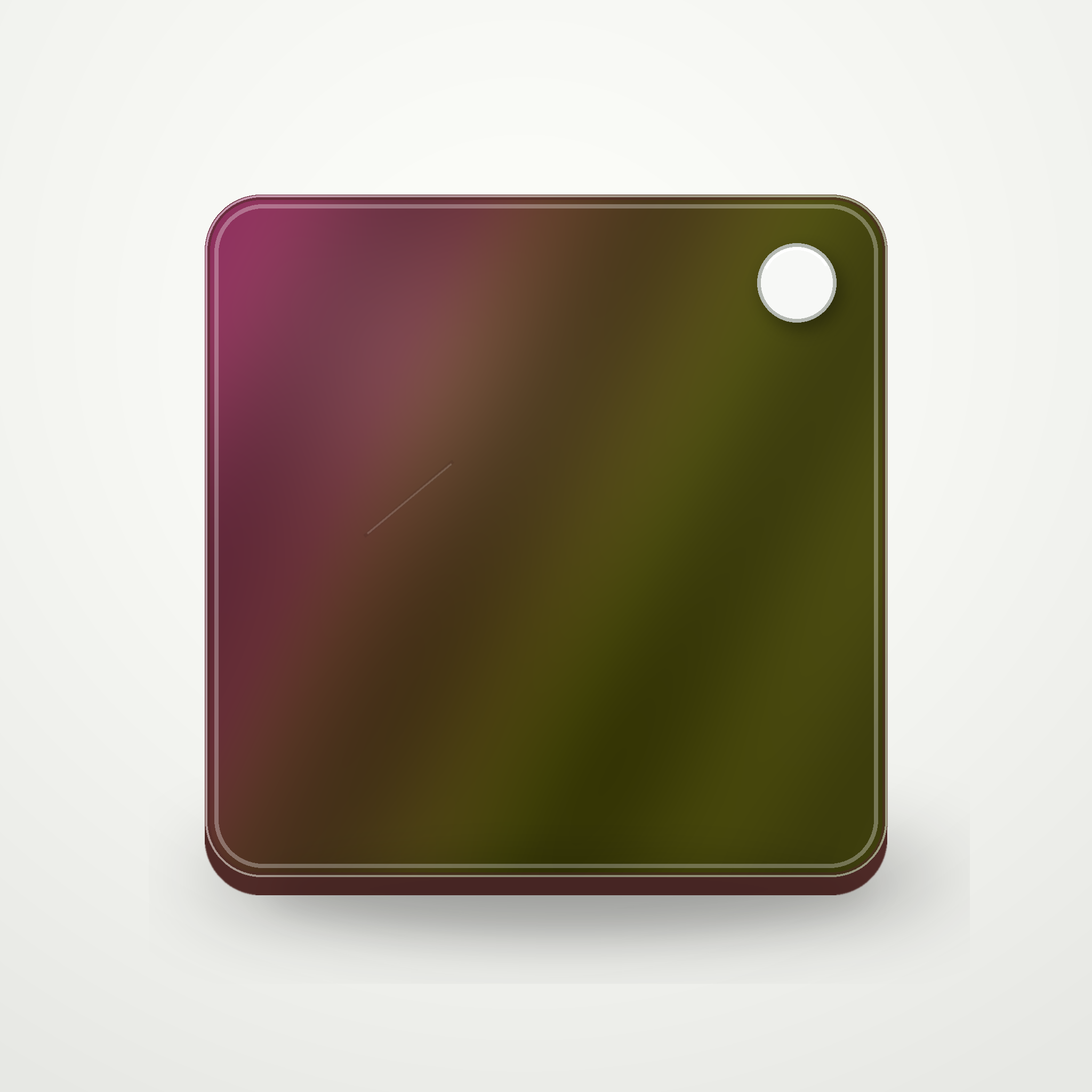
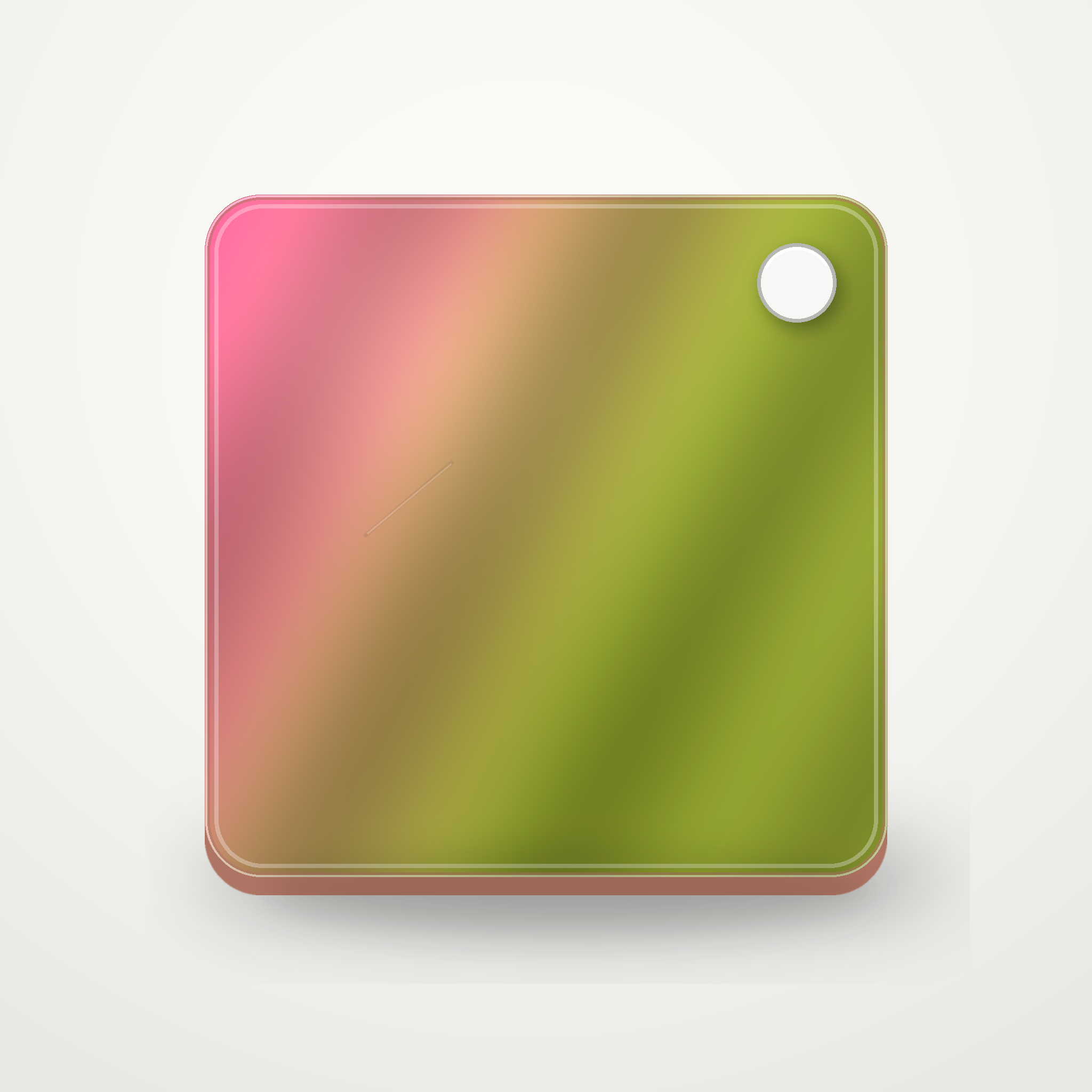
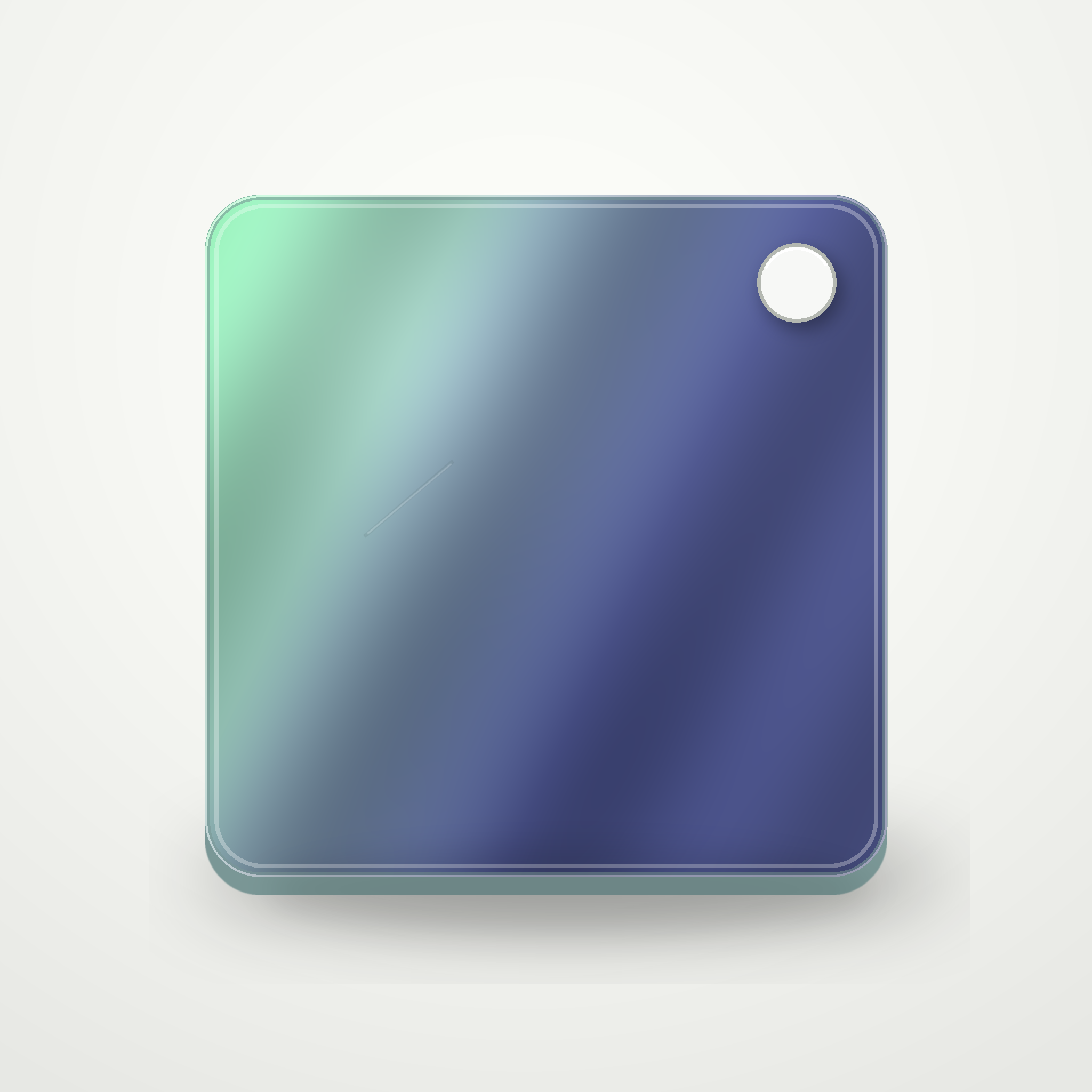
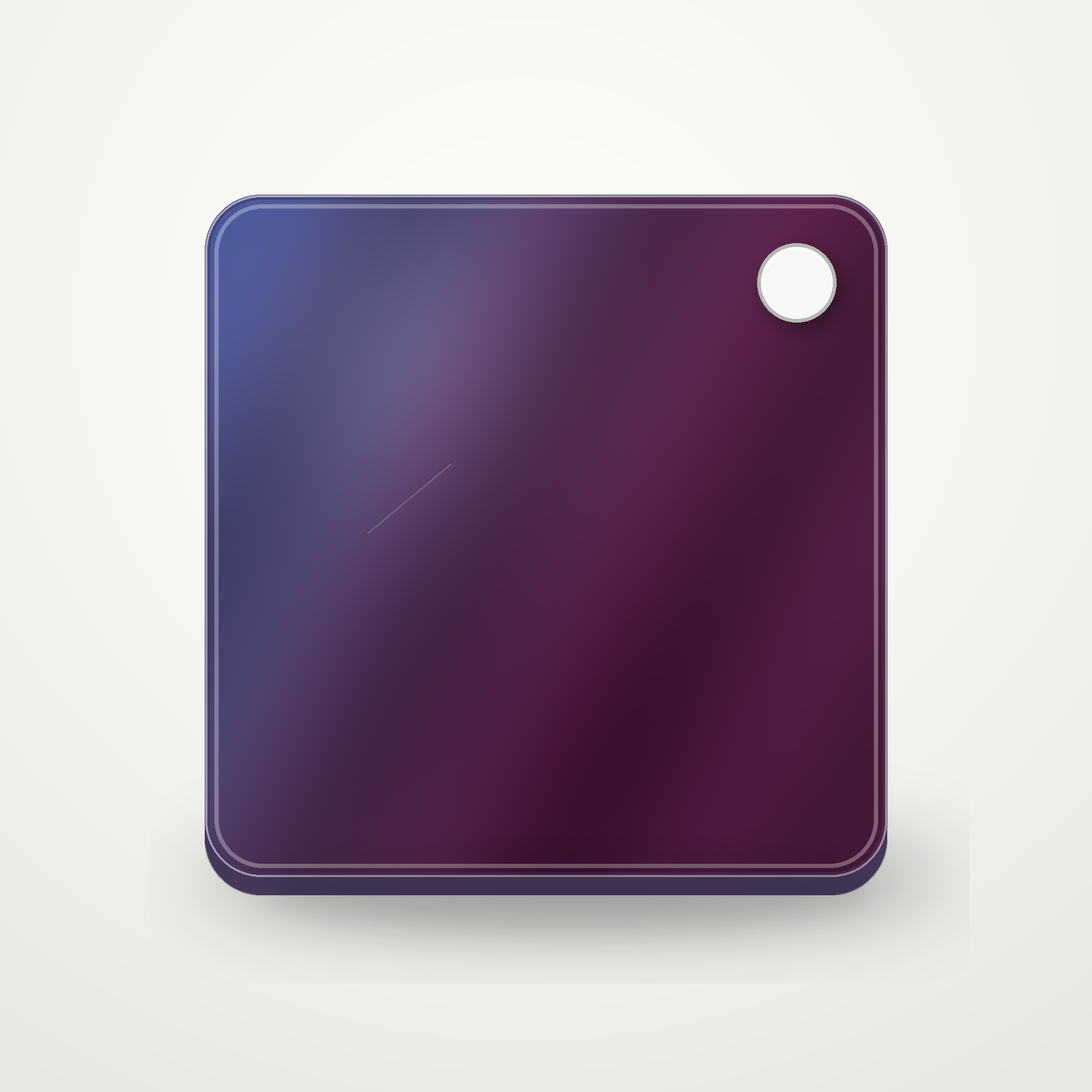
The six shades on this page are selectable tone stops within our gradient palettes — entry points,
not the whole story. As the manufacturer we can run a fade between almost any two colors and tune the
cycle length to your part. Whether you need a single trial batch for a craft line or a steady
production supply for a filament brand, this masterbatch ships with
wholesale
pricing and full OEM/ODM
services from a direct manufacturer.
Tone Stops — And Custom Combos on Request
These are six selectable tone stops inside our gradient palettes. In a finished print they read as
the colors your fade travels through — a warm cocoa-to-peach sunrise, a cool aqua-to-purple dusk, and
many points between. Select your tone stop from the variation selector above. Want a specific
start-and-end pair, or a fade you don’t see here? Our gradient library goes much deeper, and we engineer
custom dual-color combinations to order.
you’re after (sunrise, sunset, pastel ombre, brand-to-brand), and roughly how long you want each
transition to run. We engineer the cycle and confirm with a pre-production sample print before your
order ships. Contact our team →
The Coloring Problems This Masterbatch Solves
Color-change filament looks simple on a finished part and is brutally hard to make well. This
PLA gradient masterbatch is engineered to take each of the usual failure points off
your plate.
| Your Problem | How This Masterbatch Fixes It |
|---|---|
| Harsh seams where one color jumps to the next | The concentrate is compounded to blend the two hues progressively, so the fade reads as a smooth ombre with no abrupt band or line on the printed part. |
| Transition length drifts spool to spool | The color-change cycle is engineered during compounding and held under QC, so the fade lands in the same place at the same rate on every batch — the gradient is controlled, not random. |
| Painting or AMS needed to get two colors | The color change is built into the filament itself, so a single-extruder machine prints a two-tone part with no painting, dyeing, AMS unit or multi-material setup. |
| Muddy, washed-out transition colors | High-loading, well-dispersed pigments keep both end colors vivid and the blend zone clean, instead of fading to a grey or muddy mid-tone. |
| Specks & clogs from poor dispersion | Pigment is fully pre-dispersed in carrier with controlled particle size, so nothing oversized survives to streak the print or block a 0.4 mm nozzle downstream. |
| Can’t get the exact two-color combo you want | As the manufacturer we engineer custom dual-color combinations at a low, flexible MOQ — pick your start and end colors and we build the fade, instead of being stuck with a fixed catalog. |
Why This PLA Gradient Masterbatch Stands Out
- Engineered, repeatable transition — the color-change cycle is designed into the compound, so the fade length and position stay consistent from one spool to the next rather than drifting at random.
- Seamless dual-color blend — the two hues merge progressively for a true ombre, with no hard seam or color band on the finished print.
- No special hardware — a single-extruder printer produces multi-color results; there is no AMS, no second nozzle, no painting and no post-processing required.
- Vivid PLA color — built on a PLA-compatible carrier, it keeps PLA’s bright, saturated, easy-printing character that decorative and artistic work depends on.
- Engineered dispersion — built-in dispersing agents keep both colors clean and clog-free through the extruder and downstream print nozzle.
- Manufacturer-direct flexibility — tone stops ship from stock; custom dual-color combos and tuned cycle lengths come straight from our compounding line.
Applications
This PLA gradient masterbatch is built for work where the color-change effect is the
selling point — decorative, artistic and gift pieces that look hand-finished but print in one pass. The
fade does most of its visual work on tall, single-color-per-layer geometry, which is why vases, lamps,
busts and spiralized prints show it off best, but it adds interest to almost any decorative model. It is
not aimed at engineering parts where mechanical spec matters more than looks; this is a finish-and-feel
product, and PLA’s bright color and easy printing are exactly what that audience wants.
| Application | What It Delivers |
|---|---|
| Decorative & artistic 3D prints | A smooth color shift across a sculpture or art piece that would otherwise need hand-painting. |
| Vases & ombre home decor | The fade climbs the height of a vase or planter for a gallery-style ombre with no seam. |
| Gifts & keepsakes | Eye-catching two-tone finishes that lift the perceived value of personalized and giftable prints. |
| Display models & cosplay accents | Dramatic color transitions on figures, props and wearable accents straight off a single-nozzle machine. |
| Gradient lithophanes & light decor | Tonal shifts add depth and warmth to backlit lithophanes and decorative panels. |
| Maker brands & gradient filament lines | A repeatable color-change effect filament producers can sell as a consistent SKU, not a one-off. |
Masterbatch vs. Other Coloring Methods
| Criteria | Gradient Masterbatch (this product) | Raw Pigment Powder | Pre-Colored Compound |
|---|---|---|---|
| Color-change effect | Built-in dual-color fade | Single flat color only | Single flat color only |
| Transition control | Engineered, repeatable cycle | None / DIY & random | N/A |
| Dispersion | Pre-dispersed, clog-free | Risk of specks/streaks | Even (fixed) |
| Hardware needed | None — single extruder | N/A | None (single color) |
| Combo flexibility | Custom two-color pairs | Flexible but messy | Locked per lot |
| Best for | Decorative ombre & art prints | Lab / one-offs | Single fixed color runs |
How to Use — Let-Down Ratio & Dosing
masterbatch by weight (about a 1:25 to 1:50 let-down ratio). The important point with
a gradient is that the transition / cycle length is engineered during compounding — it
is controlled, not random — so once your recipe is locked the dosing simply develops the designed fade.
Always confirm on your own equipment with a short trial, since the visible cycle on the part also
depends on your line speed, layer height and model geometry.
Meter the masterbatch into your natural PLA base resin through a volumetric or gravimetric feeder, or
pre-blend by weight before the hopper. Because the pigment is already dispersed in carrier, no special
pre-drying of the masterbatch is normally required beyond standard good practice; for PLA, keep both
resin and masterbatch dry to avoid moisture-related surface defects that would spoil a decorative finish.
For a deeper drying reference, see our
filament dryer settings guide.
height or run length you print most. We tune the cycle so the full color change lands within one piece,
which is the difference between a striking ombre and a fade that gets cut off mid-print.
Technical Characteristics
| Product type | Dual-color gradient masterbatch (color-change pigment concentrate, pellet form) |
| Effect | Smooth two-tone transition along the filament length — single-print color change |
| Carrier resin | PLA-compatible carrier (optimized for PLA) |
| Recommended for | PLA & PLA+ decorative / artistic 3D printing filament |
| Form | Free-flowing pellets / granules |
| Typical let-down ratio | 1:25 – 1:50 (≈2%–4%), per engineered recipe |
| Transition / cycle length | Engineered during compounding — controlled and repeatable, tunable on custom orders |
| Finish | Vivid, opaque dual-color ombre |
| Stock tone stops | Cocoa Brown, Coral Peach, Sunset Orange, Spring Green, Mint Aqua, Dusk Purple — plus custom combos |
| Custom color | Custom dual-color pairs & tuned cycle lengths on request |
| Compliance | RoHS & REACH conformant pigment options |
| Packaging | Sealed bags in cartons; bulk options for production volumes |
Custom Color Matching & OEM/ODM
The tone stops shown cover popular fades; your line probably needs its own. As the manufacturer, we run
a full custom gradient service: tell us the two colors you want the fade to travel
between — or send physical chips, Pantone/RAL codes or a finished part — and our lab formulates the
dual-color concentrate and engineers the transition cycle to suit your part. We confirm the result with a
pre-production sample print and hold a retained reference so every reorder lands on the same fade. For
filament brands and resellers, we also offer
OEM/ODM
services — private formulations, custom packaging and white-label supply.
A custom gradient brief usually comes down to four decisions, and we walk you through each one. First,
the two end colors — the hue your print starts on and the one it finishes on. Second,
the blend character — whether you want a long, gentle wash from one to the other or a
tighter, more defined band of change. Third, the cycle length — how much filament one
full start-to-end transition should consume, which we set against the part height or run length you
print most so the fade is neither cut off early nor stretched flat. Fourth, the opacity and
vividness — how saturated each end color should read, since pastel fades and bold high-contrast
fades call for different pigment loadings. Once those are locked we compound a trial, print it, and send
you a physical sample to sign off before any production quantity is made. Nothing scales until you have
approved the actual fade in your hand.
Quality Control & Compliance
Both end colors verified against retained masters; tight ΔE per lot so the fade reads the same every batch.
Engineered cycle length checked per batch so the color change starts and lands in the same place.
Compliant pigment options for regulated consumer and decorative markets.
Lot-numbered production with retained samples for every gradient recipe.
Packaging & Global Shipping
| Region | Logistics |
|---|---|
| Asia-Pacific | Express & sea freight; fast lead times from our factory. |
| North America | Air for samples / trial; sea for production volumes. |
| Europe | REACH-conformant options; consolidated freight available. |
| Rest of world | Quoted per destination — contact us for a freight estimate. |
Bulk Orders & Wholesale
From a trial batch of one tone stop to recurring production tonnage, pricing scales with volume. Stock
tone stops are ready to ship; custom dual-color combos carry a low, flexible MOQ so you can validate a
fade before committing to scale. Talk to us about
wholesale
contract pricing and recurring supply schedules for your gradient filament line.
For brands building a gradient product line, buying the concentrate from us rather than finished
spools changes the economics. One masterbatch recipe lets you extrude as many spools of that fade as you
need, when you need them, in your own diameter and on your own quality spec — instead of holding cash in
finished inventory across every color you might sell. It also lets you keep your fade exclusive: a custom
combo we develop for you is yours, with the retained reference held under your account, so a competitor
can’t simply order the same SKU off a shelf. As your volumes grow we lock a recurring schedule so the
same recipe is produced on a predictable cadence and your fade never drifts between runs.
Storage & Handling
- Store in a cool, dry place away from direct sunlight.
- Keep PLA dry — keep both masterbatch and base resin sealed and dry to avoid hydrolysis and surface defects that would mar a decorative finish.
- Reseal partially used bags promptly to limit moisture pickup before the next run.
- Avoid cross-contamination between gradient recipes — purge the feeder/hopper at changeovers so one fade doesn’t bleed into the next.
- Use a dedicated scoop per recipe to keep light tone stops clean and true.
- Rotate stock first-in-first-out for the most consistent fade over time.
Why Choose SigmaFilament for Gradient Masterbatch
| Manufacturer-direct | Factory pricing and direct technical contact — no middleman markup. |
| Filament expertise | We make 3D printing filament ourselves, so our gradient recipes are proven on real extrusion lines and print as designed. |
| Engineered fades | Controlled, repeatable cycle lengths — not a random dye effect you can’t reproduce. |
| Custom combos, low MOQ | Any two-color pair at trial-friendly minimums — validate the look before you scale. |
| OEM/ODM ready | Private formulations, custom packaging and white-label gradient supply. |
Frequently Asked Questions
How does a gradient masterbatch create a color change without an AMS?
Is the transition length controlled or random?
Can you make a custom two-color combination?
What let-down ratio should I use for this PLA gradient masterbatch?
What kinds of prints is this best for?
What is the minimum order quantity (MOQ)?
Request the full gradient library, a custom dual-color combo, or wholesale & OEM/ODM pricing from a direct manufacturer.
| Color | Cocoa Brown ,Coral Peach ,Sunset Orange ,Spring Green ,Mint Aqua ,Dusk Purple |
|---|